Automotive Air Conditioning Service Explained
That first weak puff of lukewarm air at a stoplight usually tells you something is off long before the system quits completely. Automotive air conditioning service is not just about adding refrigerant and sending you on your way. If the air is not cold enough, the airflow is poor, or the system cycles strangely, there is usually a reason behind it – and finding that reason matters.
For everyday drivers, that means comfort on the road and less stress in traffic. For 4WD owners, caravan travelers, and campervan setups, it can be the difference between a trip that feels easy and one that becomes hard work in the heat. A proper service checks performance, system condition, and the cause of the fault before repairs are recommended.
What automotive air conditioning service actually includes
A lot of people assume air-conditioning service means a quick recharge. Sometimes low refrigerant is part of the problem, but refrigerant does not just disappear without a cause. If the system is low, there may be a leak, a worn seal, a damaged hose, or another fault that needs attention.
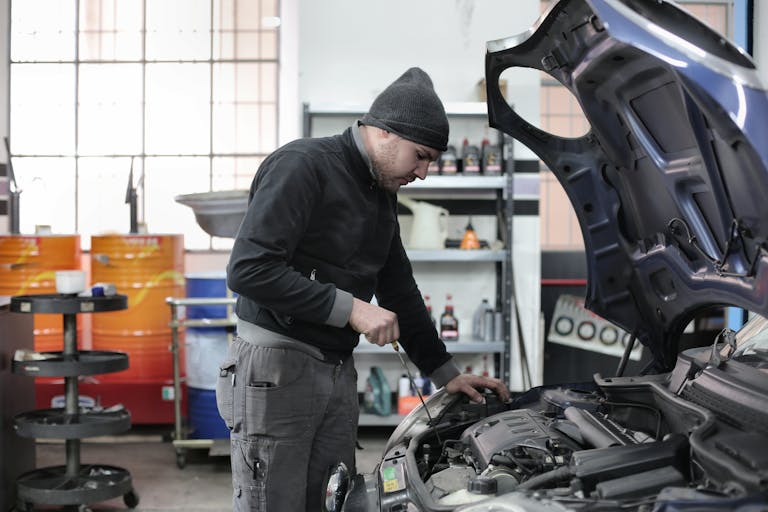
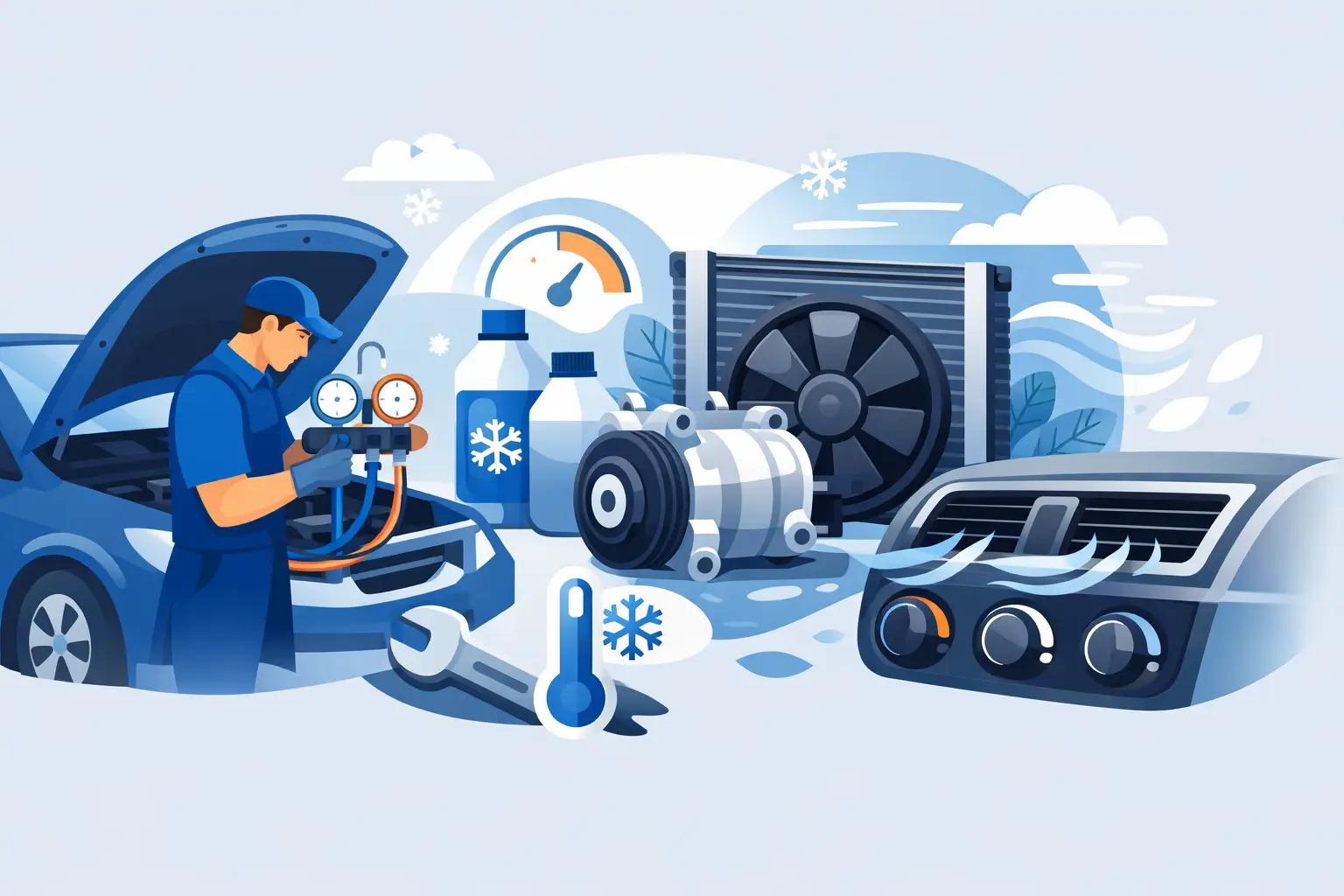
A proper automotive air conditioning service starts with testing. Vent temperature, system pressures, compressor operation, condenser performance, cooling fans, cabin airflow, and electrical controls all need to be checked. If pressures are outside normal range, that can point to leaks, restrictions, overcharge, undercharge, failing components, or airflow issues through the condenser.
From there, the service may include refrigerant recovery, vacuum testing, leak detection, recharging to the correct specification, and checking oil balance in the system where required. Some vehicles also need attention to pollen filters, blower motors, relays, pressure switches, or control modules. Good service is not guesswork. It is a measured process.
Signs your A/C needs attention
Not every air-conditioning problem looks the same. Some faults are obvious, while others creep in slowly over months. If your system is taking longer to cool, struggling on hotter days, or only working properly while driving, it is worth having it checked before the problem grows.
Common signs include weak cooling, inconsistent vent temperature, unusual smells from the vents, noisy compressor operation, misting issues during defrost, visible leaks around A/C components, or the compressor not engaging at all. In some vehicles, the problem is mechanical. In others, it is electrical. That is why diagnostics matter.
For touring vehicles and RVs, there is another layer to consider. A heavily loaded vehicle, long-distance driving, and hot-weather conditions place more demand on the system. If you already rely on your vehicle for travel, camping, or work, it makes sense to sort out A/C issues early instead of waiting for a full failure on the road.
Why a regas is not always the answer
People often ask for a regas because it sounds like the fastest fix. Sometimes it is part of the repair, but on its own it is not a cure-all. If refrigerant has leaked out, simply topping it back up without checking why can leave you paying twice.
A system may be low because of a small seal leak, a stone-damaged condenser, a corroded fitting, or wear in aging components. It may also cool poorly even with the correct refrigerant charge if the condenser fan is not working, the cabin filter is blocked, or the compressor is weak. On modern vehicles, sensor faults and control issues can also affect performance.
That is why the better approach is diagnosis first, service second, and repairs where needed. It is more honest, and in many cases it saves money over time.
The value of proper diagnostics
Air-conditioning systems sit across mechanical and electrical systems, so a narrow approach can miss the real fault. A pressure reading on its own does not tell the whole story. Neither does cold air at idle for a few minutes in the shop.
Proper diagnostics look at how the system behaves under real operating conditions. Is the compressor clutch engaging correctly, or is there a control issue? Are cooling fans switching on as they should? Is the pressure sensor reading accurately? Is there contamination in the system? Has a previous repair been done poorly? These are the kinds of questions that separate a short-term patch from a proper repair.
For customers, that usually comes down to clear communication. You want to know what was found, what needs fixing now, and what can wait. Straight answers matter, especially when the vehicle is used for family travel, work runs, or a trip that is already booked.
Automotive air conditioning service for 4WDs, caravans, and campervans
Not every vehicle is used the same way, and that affects service needs. A commuter car that stays local has a different workload from a 4WD towing a camper through hot inland conditions. Vehicles set up for touring often spend long hours on the road, carry extra electrical loads, and need everything working reliably together.
That is where specialist knowledge helps. A/C performance can be influenced by engine cooling issues, accessory fit-outs, fan behavior, and electrical faults that are not obvious at first glance. If your vehicle also has dual battery gear, lithium upgrades, inverters, or extra 12V equipment, you want a technician who understands the broader electrical picture rather than treating the A/C as an isolated problem.
For caravan and campervan owners, comfort is only part of the equation. Clear demisting, predictable cabin cooling, and dependable performance on travel days all matter. When you are covering distance in hot weather, an underperforming system becomes more than an annoyance.
How often should you book service?
There is no perfect one-size-fits-all interval because usage, climate, mileage, and vehicle age all play a role. Some systems run for years with minimal trouble. Others need attention sooner because of leaks, component wear, or harsh operating conditions.
As a general rule, if cooling performance has dropped, book an inspection rather than waiting. Even if the air still feels somewhat cold, reduced efficiency often points to an issue worth catching early. Preventive checks also make sense before a major road trip, especially for vehicles used for towing, off-grid travel, or summer touring.
If a vehicle is older or has had previous A/C repairs, more regular monitoring can be worthwhile. Small leaks and aging seals rarely improve on their own.
What to expect from a quality service provider
The right shop should be able to explain what they tested, what they found, and what the next step is. That sounds basic, but it makes a big difference. You should not have to agree to major repairs without understanding the fault.
Look for a service provider that handles licensed refrigerant work correctly, uses proper recovery and charging equipment, and takes diagnostics seriously. Experience with automotive electrical systems is also a real advantage because modern A/C faults are often tied to sensors, wiring, control modules, or fan operation rather than refrigerant alone.
A dependable local specialist will usually focus on practical outcomes. Is the system cooling properly? Is it operating safely? Are the parts and repairs suited to how the vehicle is actually used? That matters more than flashy language or rushed promises.
For Sunshine Coast drivers who use their vehicles for work, family life, and travel, that straightforward approach is exactly what Coastal Cool Air is built around – clear findings, quality parts, and repairs that make sense for the vehicle in front of us.
When it is better to act now
If the A/C has stopped working completely, is making noise, or is showing signs of a leak, it is best not to leave it too long. Running a system low on refrigerant can increase wear, and some faults can lead to bigger repair bills if ignored. A compressor issue caught early may be manageable. The same issue left to circulate debris through the system can become far more involved.
There is also the practical side. Nobody wants to sort out cabin cooling after the first heatwave, right when workshops are busiest. If your system has been borderline for a while, getting it checked before peak summer is usually the smarter move.
A good automotive air conditioning service is really about confidence. You want to get in, turn it on, and know it will do the job whether you are heading to work, towing up the highway, or setting off on a longer trip. If something feels off, trust that early warning and get it checked before a small problem becomes a trip-ruiner.