Auto Electrician Sunshine Coast: What to Expect
A flat battery before sunrise is annoying. A van fridge dropping out halfway through a trip, trailer lights failing on the highway, or an air con fault in summer is a different kind of problem altogether. When you need an auto electrician Sunshine Coast locals can rely on, the real value is not just getting the fault repaired – it is getting the right diagnosis the first time.
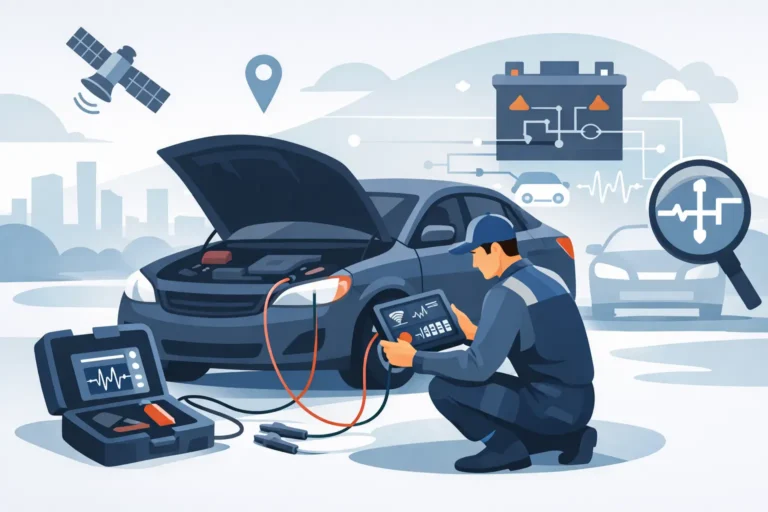
Modern vehicles are packed with wiring, modules, sensors and accessories that all have to work together. That includes everyday cars, work utes, 4WDs, caravans and campervans. A proper electrical specialist does more than swap out parts and hope for the best. They test, trace and explain what has failed, what caused it, and what needs to happen next.
What an auto electrician actually does
A lot of people still think an auto electrician mainly deals with batteries, starter motors and alternators. Those jobs still matter, but the scope is much wider now. Electrical faults can affect starting, charging, lighting, air-conditioning controls, trailer wiring, reverse cameras, brake controllers, dashboard warnings and touring setups.
On newer vehicles, one issue can trigger symptoms in completely different systems. A charging problem might look like a battery fault at first. A bad earth can cause odd behaviour through lighting or accessories. A damaged wire in a caravan plug can create intermittent faults that only show up on rough roads or under load. That is why diagnosis matters so much.
For many Sunshine Coast drivers, the bigger question is not whether a technician can fit a replacement part. It is whether they can work out why the problem happened and whether anything else in the system needs attention. That is especially true for vehicles set up for camping, trade work or towing, where extra loads are often added over time.
When to book an auto electrician on the Sunshine Coast
Some faults are obvious. Others creep in slowly and are easy to ignore until they strand you somewhere inconvenient. If your vehicle is slow to crank, repeatedly flattens batteries, shows flickering lights, blows fuses, drops accessory power or throws unexplained electrical warnings, it is worth getting it checked before the problem grows.
The same applies if your air con fan cuts out, your compressor does not engage, your trailer plug works intermittently, or your dual battery system is not charging the way it should. These are not faults that usually fix themselves. They often get worse under heat, vibration or heavy use.
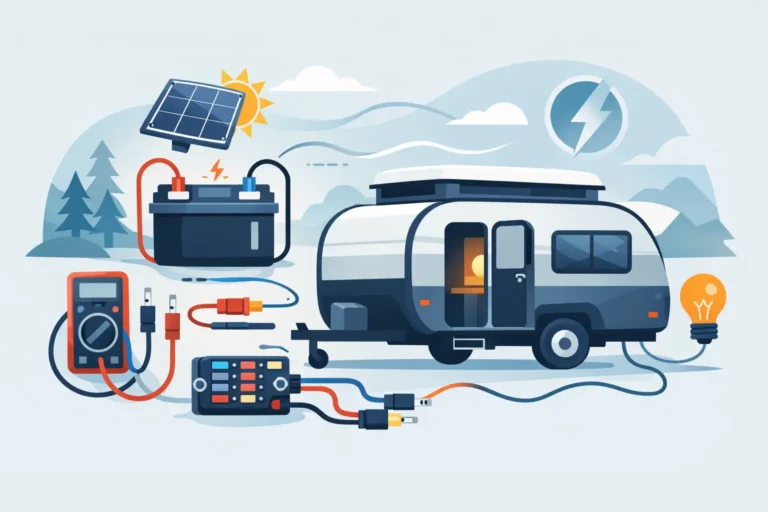
If you own a 4WD, caravan or campervan, prevention makes a real difference. Touring setups place more demand on charging systems, battery management and wiring quality than a standard passenger car. A tidy-looking installation is not always a reliable one. Cable size, fuse protection, mounting, ventilation and load planning all matter.
Auto electrician Sunshine Coast services that matter most
For local drivers, the most useful electrical services tend to fall into two groups. The first is fault finding and repair. The second is upgrades and custom installs.
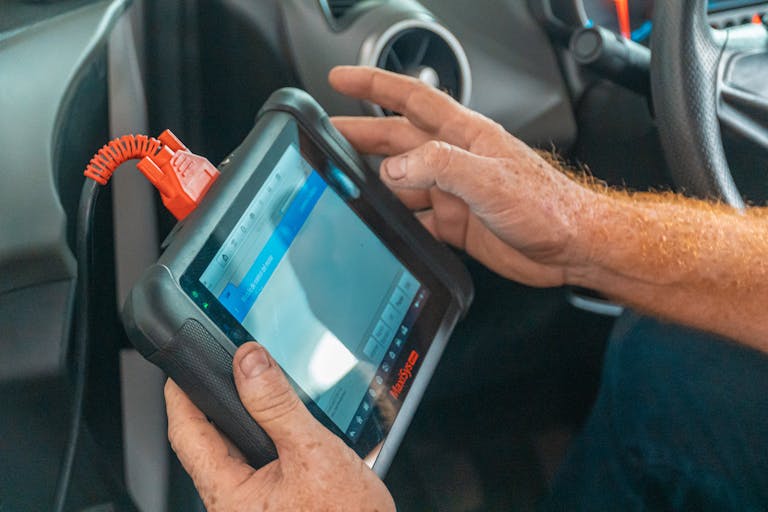
Fault finding covers the jobs people usually book in for when something has stopped working or become unreliable. That can include battery draw testing, alternator checks, wiring repairs, starter motor issues, lighting faults, trailer wiring problems, air-conditioning electrical diagnostics and accessory failures.
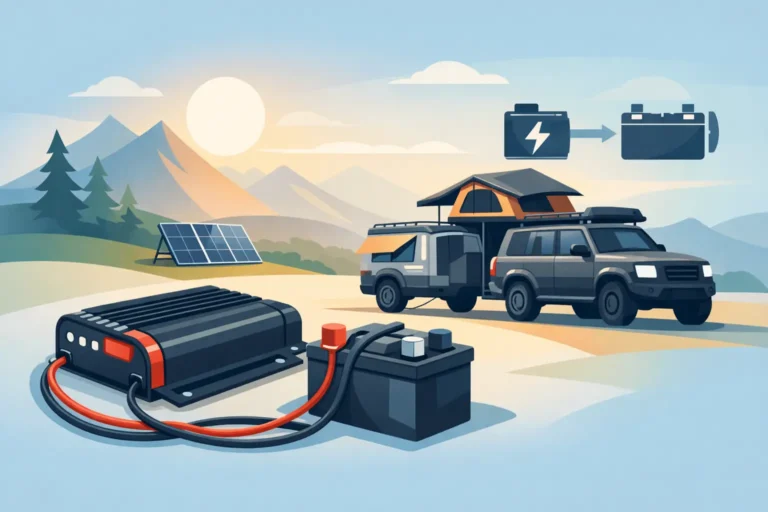
Upgrade work is different. This is where a specialist helps you build a system that suits how you actually use the vehicle. For a daily driver, that might be a reverse camera or a reliable battery replacement. For a work ute, it could be better power distribution and auxiliary charging. For a touring rig, it often means a proper dual battery setup, lithium battery upgrade, solar integration or inverter installation.
This is where experience matters. The best setup is not always the biggest or most expensive. It depends on how long you stay off-grid, what appliances you run, how often you drive, and how much room and budget you have. Good advice should match the system to the job, not oversell gear you do not need.
Why diagnostics save money
People sometimes hesitate to pay for diagnostic time because they want the repair done quickly. Fair enough. But guessing is usually what makes a simple electrical issue expensive.
Replacing a battery because the vehicle will not start sounds reasonable until the real problem turns out to be a poor connection, alternator undercharge, parasitic drain or starter fault. The same logic applies to caravans and campers. If your battery is not holding charge, the battery itself may not be the only issue. The charger profile, solar input, cable losses or current draw could all be part of it.
A good technician will explain what they have tested, what they found and what they recommend before repairs go ahead. That sort of process gives you a clearer picture of cost and helps avoid paying for parts that were never the problem in the first place.
The difference between standard repairs and touring power systems
There is a big gap between fixing a blown fuse in a family car and designing a dependable 12V setup for remote travel. Both fall under automotive electrical work, but the second job needs a broader view.
If you use a 4WD, campervan or caravan for trips away, your electrical system is part comfort and part insurance. You want the fridge cold, the lights working and devices charging, but you also need confidence that the system will hold up over corrugations, heat and long days off-grid.
That is where quality components and installation standards matter. Premium battery and charging brands are popular for a reason, but even the best gear can disappoint if the system design is wrong. Battery chemistry, charging sources, cable runs and expected loads all need to work together. There is no one-size-fits-all answer.
For some owners, a simple dual battery system is enough. For others, lithium, DC charging, solar and inverter capacity make more sense. It depends on travel style, appliance use and how independent you want to be from powered sites. A practical workshop should talk through those trade-offs in plain English.
What to look for in a local auto electrician
Not every workshop handles the same kind of work. Some are strong on basic repairs but do not do much custom installation. Others can fit accessories but are weaker on diagnostics. If your issue involves both vehicle reliability and added touring gear, it helps to choose a specialist who understands both sides.
Look for clear communication first. You should know what is being tested, whether parts are needed, and what the likely next step is. You also want a workshop that values tidy, protected wiring and uses quality components that are suited to Australian conditions.
Licensing, warranty support and product knowledge also matter. If you are investing in a battery system or electrical upgrade, it is worth having the job done by someone who can back the work and explain how to use and maintain the setup properly.
For Sunshine Coast vehicle owners, convenience can matter too. Workshop-based diagnostics are often the best option for deeper fault finding, but mobile support can be useful in the right situation. The key is knowing which jobs need proper bench testing and which can be handled on site.
Common mistakes that cause electrical trouble
A surprising number of faults start with previous accessory installs. Poor joins, undersized cable, weak earthing, lack of fuse protection and badly routed wiring all create problems later. Sometimes the system works fine at first, then vibration, moisture or heat brings the weakness to light.
Another common issue is mixing old and new components without checking compatibility. This shows up a lot in battery upgrades. A lithium battery cannot simply replace another battery type in every setup without looking at the charger, regulator and load demands around it.
Even small add-ons can cause issues when they are stacked over time. Spotlights, fridges, brake controllers, UHF radios, compressors and inverters all add demand. Individually they may be manageable. Together they can expose weaknesses in the charging system or wiring layout.
Straight advice goes a long way
Most people are not looking for a technical lecture. They just want to know what is wrong, what it will take to fix, and whether the repair is worth doing now. That is a fair expectation.
A dependable auto electrician will explain the fault clearly, point out any safety or reliability concerns, and give practical recommendations based on how you use the vehicle. Sometimes that means a straightforward repair. Sometimes it means planning a better system before your next big trip. And sometimes it means telling you a cheaper option will do the job just fine.
That kind of advice is what keeps daily drivers on the road and helps tourers head away with fewer surprises. If your vehicle is showing electrical faults, your air con is playing up, or your off-grid setup is not performing the way it should, getting it checked early usually saves stress later. Around the Sunshine Coast and hinterland, that peace of mind counts for a lot.