A Practical Guide to Caravan Solar Integration
That first night off-grid usually tells the truth about your power setup. The fridge keeps cycling, the lights stay on longer than expected, someone plugs in a coffee machine, and suddenly the battery monitor is dropping faster than anyone planned. A proper guide to caravan solar integration starts there – not with panel brochures or big wattage claims, but with how you actually camp, travel and use power.
Solar can make caravan travel far more comfortable and far less dependent on powered sites, but only when the full system is designed to work together. Panels matter, but so do battery capacity, charging profiles, cable sizing, DC-DC charging, inverter load, regulator quality and how the van is used from one trip to the next. Get the balance right and your system feels easy. Get it wrong and even expensive gear can underperform.
What caravan solar integration really means
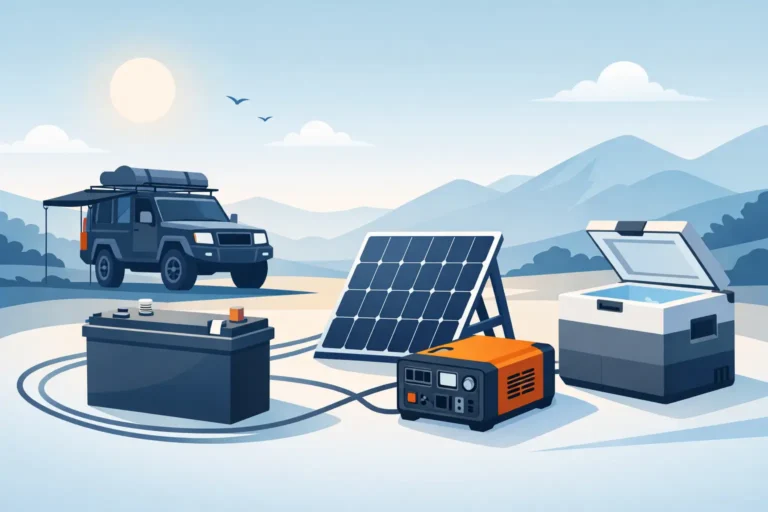
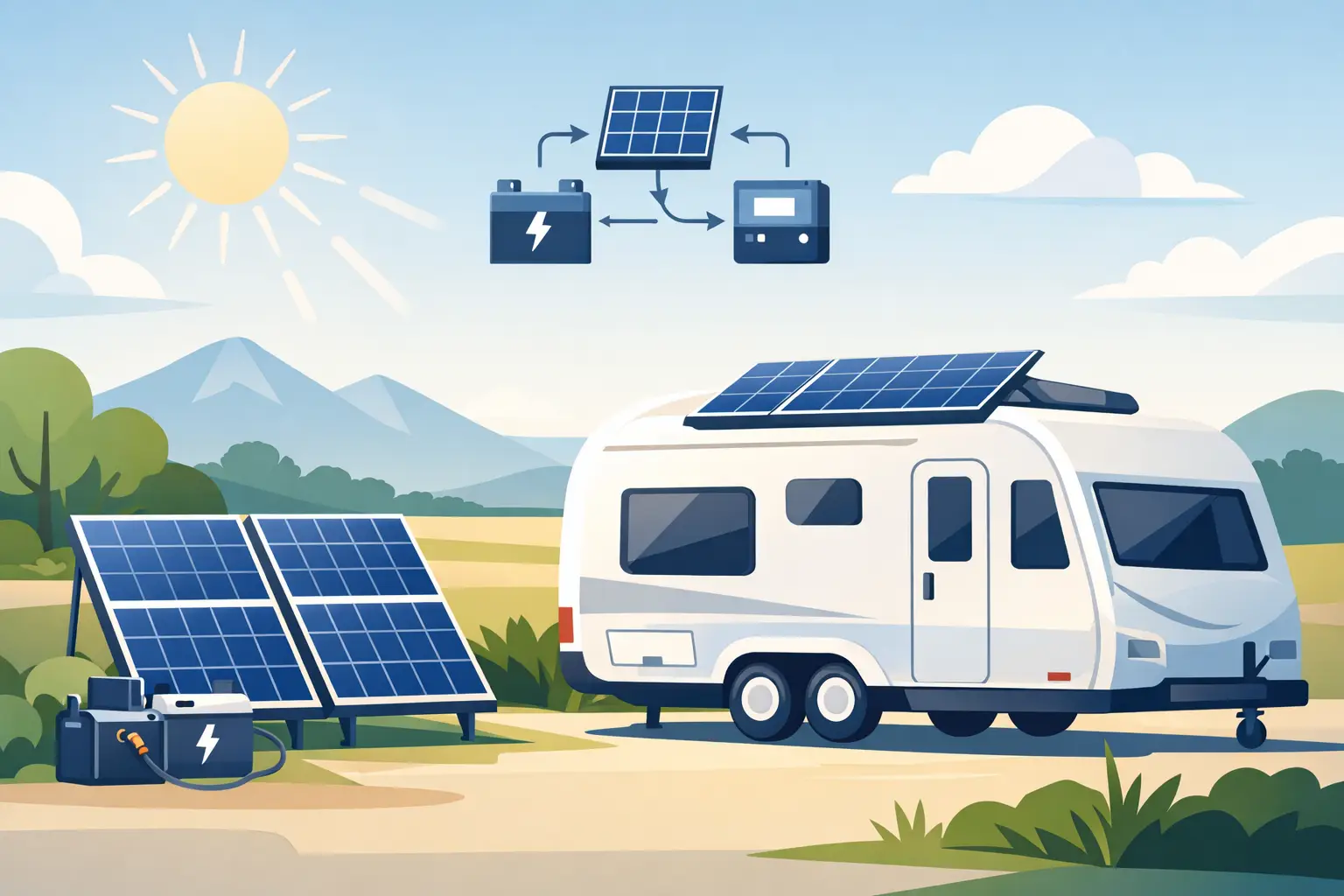
A lot of people think solar integration just means fitting a panel to the roof and connecting it to a battery. In practice, it is the way every charging and storage component works as one system. Your solar panels collect energy, the regulator manages how it is delivered, the battery stores it, and the rest of the van draws from that stored power at different rates throughout the day and night.
That sounds straightforward until real-world variables get involved. Shade, roof space, battery chemistry, towing time, appliance loads and weather all change the result. If you free camp for short weekends, your setup might lean heavily on alternator charging while driving. If you stay put for several days, solar recovery becomes more important. If you run an inverter for higher-draw appliances, the battery bank needs to be sized around that demand, not just your lights and water pump.
This is why a one-size-fits-all kit can be hit and miss. A caravan used for occasional holiday trips has different needs to a full-time touring rig.
Start with load, not panels
The best guide to caravan solar integration always starts with your daily consumption. Before anyone talks about panel wattage, you need a realistic picture of what you use in a 24-hour period.
Fridges, diesel heaters, fans, water pumps, mobile charging, TV use, lighting and any inverter-powered appliances all add up. Some loads are small but constant. Others are brief but heavy. The difference matters because solar has to replace what you consume, and the battery has to carry you through periods when charging is limited.
This is where people often overspend in one area and underspend in another. A large solar array paired with a small battery bank can leave you with nowhere to store the energy you collect. A big lithium battery with not enough charging input can take too long to recover, especially in cloudy conditions. Good system design is about matching generation, storage and demand.
Choosing the right battery for the job
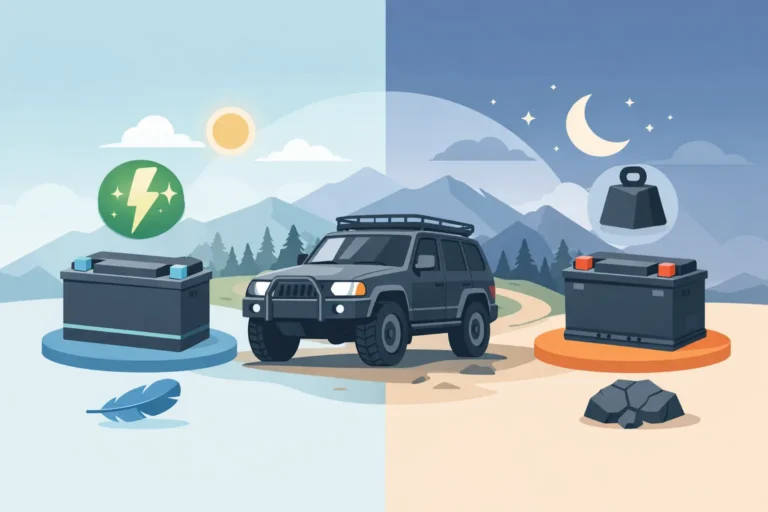
Battery choice shapes the rest of the system. AGM still has a place in some setups, particularly where budget is tight or the system is relatively simple, but lithium has changed what is possible in caravan power.
Lithium batteries generally offer more usable capacity, lower weight, faster charging and better efficiency. For caravan owners trying to reduce generator use, stay off-grid longer or run more gear comfortably, that can make a big difference. The trade-off is upfront cost and the need to make sure chargers, regulators and protection devices are compatible.
Battery capacity should match your style of travel. If you move regularly and the van gets good charging from the tow vehicle, you may not need a huge bank. If you camp in one spot for days, particularly in mixed weather, extra storage can be the difference between a relaxed trip and constant power management.
Roof solar, portable solar, or both?
Roof-mounted panels are convenient because they are always working whenever there is sunlight. There is nothing to set up when you pull into camp, and they can keep topping up the battery while you are on the road or parked for lunch. For many travellers, that convenience alone makes them the foundation of the system.
The downside is that roof panels are fixed. If the van is parked in shade, output drops. Roof space can also be limited by hatches, air-conditioners and antennas, so there is only so much panel area available.
Portable panels can help fill the gap. They let you park the van in shade and place the panels in the sun, which is often more practical in Australian camping conditions. They also give you flexibility if your power use increases later. The trade-off is setup time, storage space and the need to secure them properly.
For many caravan owners, the best answer is a mix of both. Roof solar handles day-to-day charging, and portable solar adds extra input when camped up for longer periods.
Regulators, chargers and the parts that get overlooked
Solar panels and batteries get most of the attention, but charging hardware is where a lot of systems either perform properly or waste potential. A quality solar regulator, typically MPPT in most modern caravan setups, helps panels operate more efficiently and charge the battery correctly.
Then there is the charging side from the tow vehicle. Modern vehicles often need a DC-DC charger to deliver proper charge voltage to the van battery, especially over long cable runs or with smart alternators. Without it, you can end up assuming the battery is being charged while driving when in reality it is only getting a partial top-up.
Cable sizing matters too. Undersized cable creates voltage drop, and voltage drop means lost performance. It is not the exciting part of a build, but it is one of the parts that affects reliability every day. The same goes for fusing, isolation and overall wiring layout. A clean, well-protected install is easier to diagnose, safer to use and more likely to last.
Inverters are useful, but they change the design
A lot of caravan owners want an inverter because it lets them run 240V appliances off the battery bank. That can be handy for charging laptops, camera gear or using small kitchen appliances. It can also become the biggest strain on the system if expectations are not realistic.
Running a toaster, kettle, induction cooktop or coffee machine from battery power takes a substantial amount of current. Even if the appliance only runs briefly, the draw is high. That affects battery size, inverter size, cabling and how much charging input you need to recover afterwards.
This is where honest planning saves money. If your inverter use is occasional and light, the setup can stay fairly modest. If you want the van to feel like a powered site without actually being on one, the system needs to be designed around that from the start.
Why professional design usually pays off
Caravan solar is not just about making things work on paper. It is about making them work in heat, vibration, dust, corrugated roads and inconsistent weather. Components need to be mounted securely, set up correctly and tested as a complete system.
A workshop that understands both automotive electrical systems and off-grid power can spot issues that are easy to miss in a basic install. That includes charger compatibility, poor earths, incorrect fuse protection, weak cable runs, battery monitoring problems and loads that have not been properly accounted for. Those details matter more once you are well away from a powered site.
For travellers around the Sunshine Coast and hinterland, it also helps to work with someone who understands how local touring habits affect system design. A van used for short coastal getaways may need a different approach to one heading inland for extended remote trips.
Common mistakes in caravan solar integration
Most system problems come back to a few predictable issues. One is buying around a headline figure, usually solar wattage, without sizing the battery or charging path properly. Another is mixing components that technically connect but do not charge or communicate as well as they should.
Poor battery monitoring is another common problem. If you do not know what is coming in, what is going out and the true state of charge, it is hard to trust the system. Guesswork leads to flat batteries, overuse or unnecessary upgrades.
The last big mistake is planning only for ideal weather. A system that works beautifully in full summer sun may struggle in cloud, shade or winter conditions. Building in a bit of margin makes the setup far more usable across real trips, not just best-case days.
A smarter way to plan your setup
If you are working out your next caravan upgrade, think in this order: what you use, how long you stay put, how often you drive, and what level of comfort you want off-grid. Once those answers are clear, the right mix of battery capacity, solar input, charging hardware and inverter support becomes much easier to specify.
Premium components can absolutely be worth it, especially in touring setups where reliability matters, but they still need to be chosen to suit the job. More gear does not automatically mean a better result. The aim is a balanced system that charges properly, stores enough energy and gives you confidence to use the van the way you intended.
A good solar setup should feel boring in the best way. You should not be thinking about whether the fridge will make it through the night or whether one cloudy day will throw the whole trip off. When caravan solar integration is done properly, power becomes one less thing to worry about, which is exactly how travel should feel.