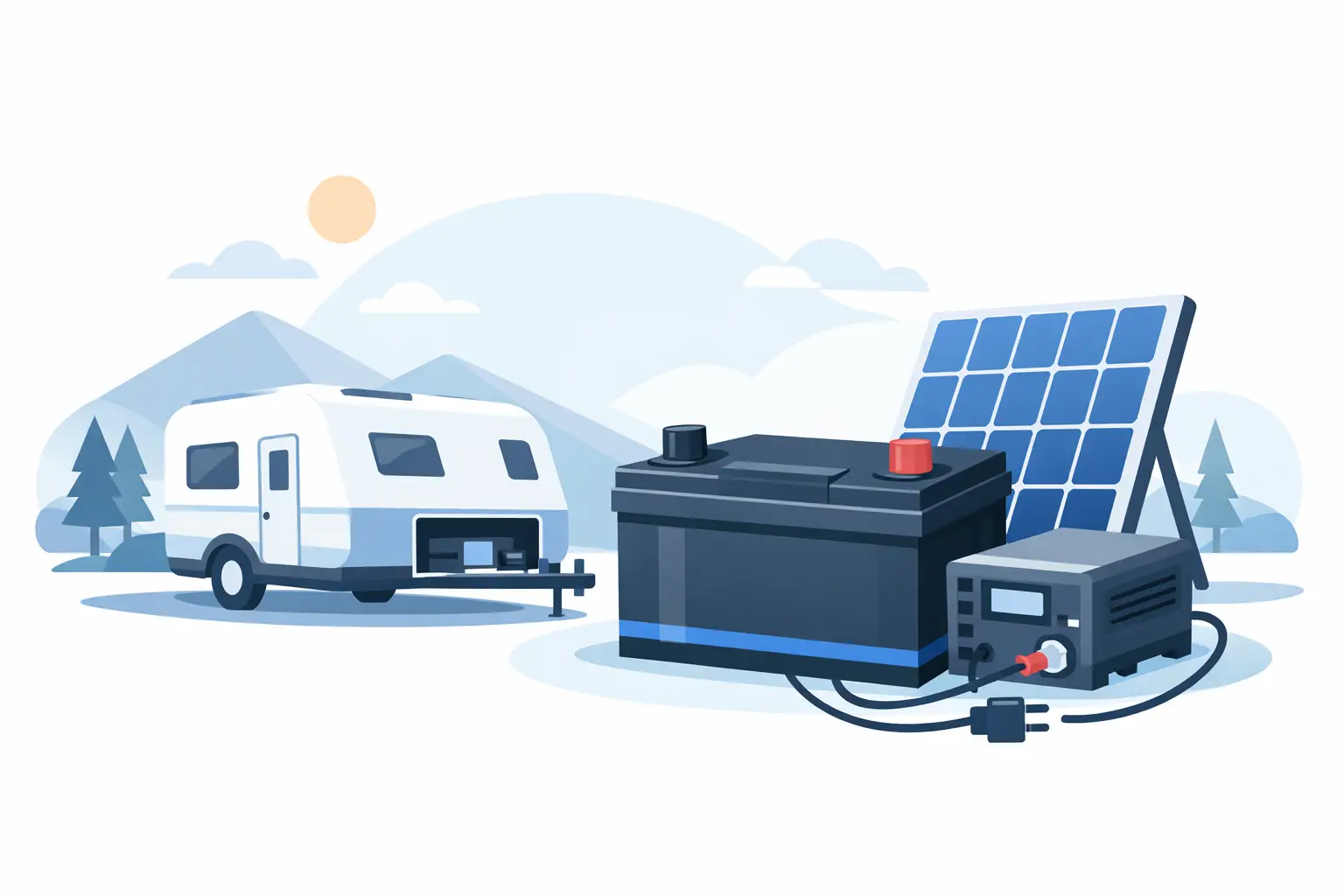
Lithium Battery Upgrade Caravan Guide
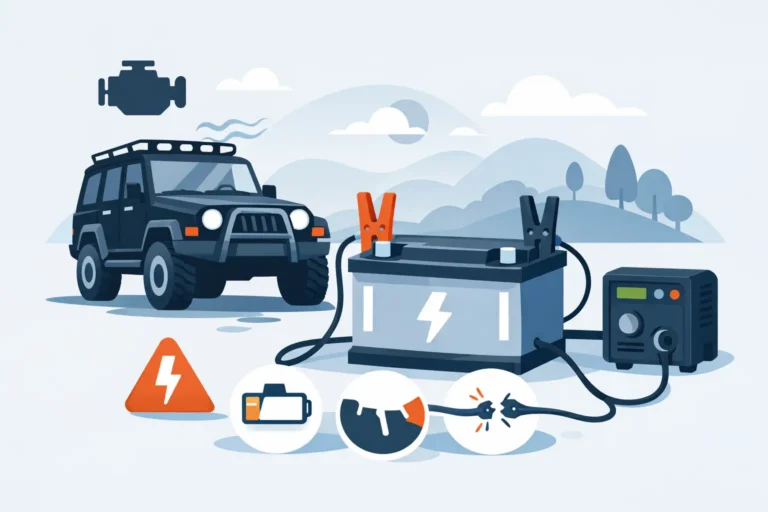
That moment when the lights dim, the fridge starts complaining, or the battery monitor drops faster than expected usually tells the story – your caravan power setup is working harder than it was built for. A lithium battery upgrade caravan owners often consider is not just about getting a newer battery. It is about making the whole system more reliable for travel, free camping, and everyday use on the road.
For some people, the upgrade is overdue because the old AGM batteries are tired. For others, it is about running a compressor fridge, charging devices, powering an inverter, or staying off-grid longer without stressing the system. Either way, lithium can be a smart move, but only when the setup around it is designed properly.
Why caravan owners are switching to lithium
The biggest reason is usable power. A lithium battery gives you access to much more of its stored capacity than a traditional AGM battery. With AGM, draining too far shortens battery life. With lithium, you can safely use a much larger portion of the battery, so the same rated size often goes a lot further in real-world use.
Weight matters too. Caravans carry enough load already, and battery weight adds up quickly. Lithium batteries are much lighter than comparable AGM banks, which can help with payload and tow setup. That does not mean weight should be the only reason to upgrade, but for many vans it is a genuine benefit.
Charging is another big difference. Lithium batteries generally accept charge faster, which means better recovery from solar, DC-DC charging, or mains power. If you move often and want the battery bank to recover properly between stops, that faster charging can make a noticeable difference.
Then there is service life. A quality lithium system can last far longer than a cheap battery replacement cycle with older technology. The catch is that not all lithium products are equal, and not every caravan charging system is ready for one.
What a lithium battery upgrade caravan setup usually involves
This is where people can get caught out. Swapping one battery for another sounds simple, but a proper upgrade is rarely just a battery change.
In many caravans, the charger, solar controller, DC charging setup, battery monitor, fuse protection, and cabling all need to be checked. Some existing components can work with lithium. Some need reprogramming. Some need to be replaced because the charging profile is wrong or the wiring is undersized for the load.
A lithium battery has different charging requirements, and the battery management system also plays a big role in performance and protection. If the van still has an older charger designed only for lead-acid batteries, you may not get a full charge, or worse, you may create reliability issues that only show up when you are away from powered sites.
A proper workshop assessment looks at the whole power system, not just the battery box. That includes how you charge while driving, how the solar is regulated, what loads you run overnight, and whether an inverter is part of the plan.
The battery itself is only part of the job
A quality lithium battery with an internal battery management system gives you protection against overcharge, over-discharge, temperature issues, and current spikes. That protection matters, but it is not a substitute for correct installation.
If the cabling is poor, the terminals are not secured properly, or fuse protection is missing, the system can still be unsafe or unreliable. Good installation work is what turns premium parts into a dependable off-grid setup.
Your charging sources need to match
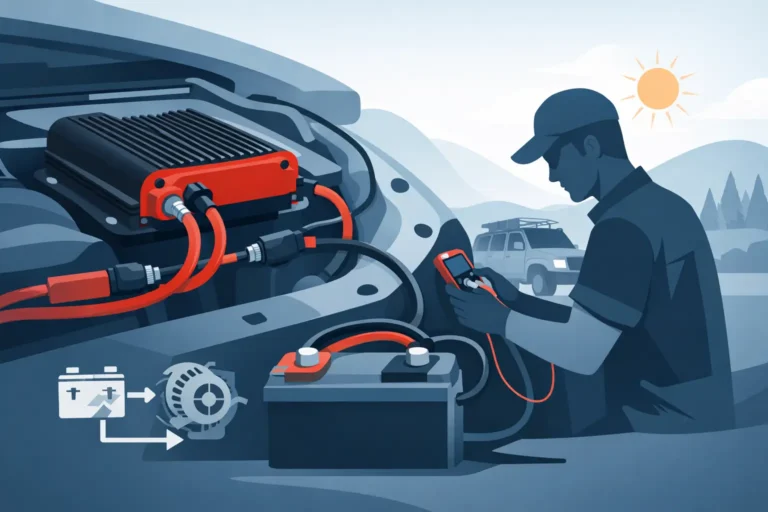
Most caravan owners charge from some combination of solar, 240V mains power, and the tow vehicle. Each source needs to be compatible with lithium charging. That may mean updating your charger, fitting or replacing a DC-DC charger, and checking whether your solar controller can be programmed correctly.
This is especially important on newer vehicles with smart alternators. Without the right charging gear, the van battery may not charge properly while driving, even if everything looks connected.
Is lithium always the right upgrade?
Not always. If your caravan mostly stays in powered parks, your loads are light, and your current AGM setup still performs well, a full lithium conversion may not be the best use of money right now. Sometimes a targeted improvement like better solar, a battery monitor, or replacing a failing charger makes more sense.
But if you free camp regularly, run a fridge full-time, use an inverter, or need dependable power for longer stays, lithium usually starts to make financial and practical sense. It is one of those upgrades where usage patterns matter more than trends.
The right answer depends on how you travel, how often you move, and what you expect the van to run when you are away from power.
How to size a lithium battery upgrade caravan owners will actually use
Battery size should be based on real loads, not guesswork. If you undersize the system, you will still end up rationing power. If you overspend on capacity you never use, that budget could have gone toward better solar, a quality charger, or a safer install.
Start with what you actually run. Compressor fridge, water pump, lights, fans, phone charging, TV, coffee machine, CPAP, and inverter use all count differently. Some loads are steady. Others are short but heavy.
For many caravan owners, 100Ah of lithium is a meaningful upgrade from older battery systems, but that does not make it the default answer. A couple traveling light may be fine with that. A family running more appliances, or anyone wanting stronger inverter support, may need 200Ah or more along with upgraded charging and cabling.
This is where tailored advice matters. A system should be built around your travel style, not around a generic battery size that sounds popular online.
Common mistakes with lithium caravan upgrades
The most common problem is treating lithium like a drop-in replacement. Sometimes that works on paper, but it often leaves weak points in the system.
Another mistake is buying based on battery price alone. A cheap battery can look attractive until poor low-temperature performance, weak internal protection, support issues, or inconsistent quality start causing trouble. Off-grid reliability depends on the whole setup, but the battery itself still needs to be a quality unit.
Undersized wiring is another issue that gets missed. Higher current loads, especially with inverters, place more demand on the cabling and protection. If the install is not up to spec, performance suffers and risk goes up.
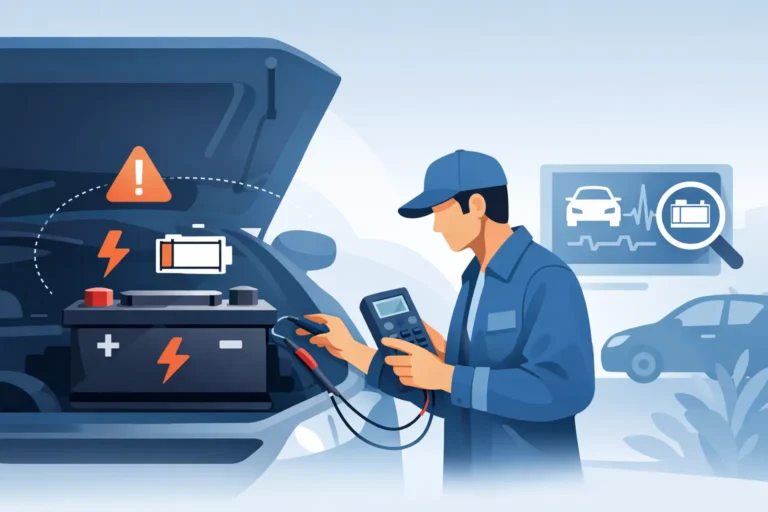
Then there is monitoring. Without a proper battery monitor, people end up guessing. Voltage alone is not a reliable way to understand lithium state of charge, so accurate monitoring makes everyday use much easier.
What the upgrade can improve in real-world travel
A well-designed lithium system changes how a caravan feels to use. You spend less time worrying about battery levels, more time letting the fridge run properly, and less energy trying to manage every light switch and device charge.
You also get faster recovery between stops. If you drive for a few hours or get good solar during the day, a lithium setup generally bounces back much better than an older AGM bank. That means more confidence when plans change, weather turns, or the next powered site is still a few days away.
For travelers who rely on their van, that confidence is the real upgrade. Not the battery chemistry itself, but the fact that the power system does what it is supposed to do.
Choosing the right installer matters as much as the battery
This kind of work sits at the intersection of caravan power, vehicle charging, electrical protection, and practical off-grid use. That is why experience matters. A good installer should explain what needs to stay, what needs to change, and why. They should also be able to spot issues in the existing setup before they turn into expensive problems later.
At Coastal Cool Air, that means looking at the full system and recommending a setup that suits the van, the tow vehicle, and the way you travel. Sometimes that includes premium components from proven brands. Sometimes it means keeping part of the existing system because it is still fit for purpose. Either way, the goal is the same – reliable power without guesswork.
If you are considering a lithium battery upgrade caravan setup, the best place to start is not with the biggest battery on the shelf. It is with a clear look at how you camp, what you run, and what your current system is doing well or doing poorly. The right upgrade should make life on the road simpler, not more complicated.