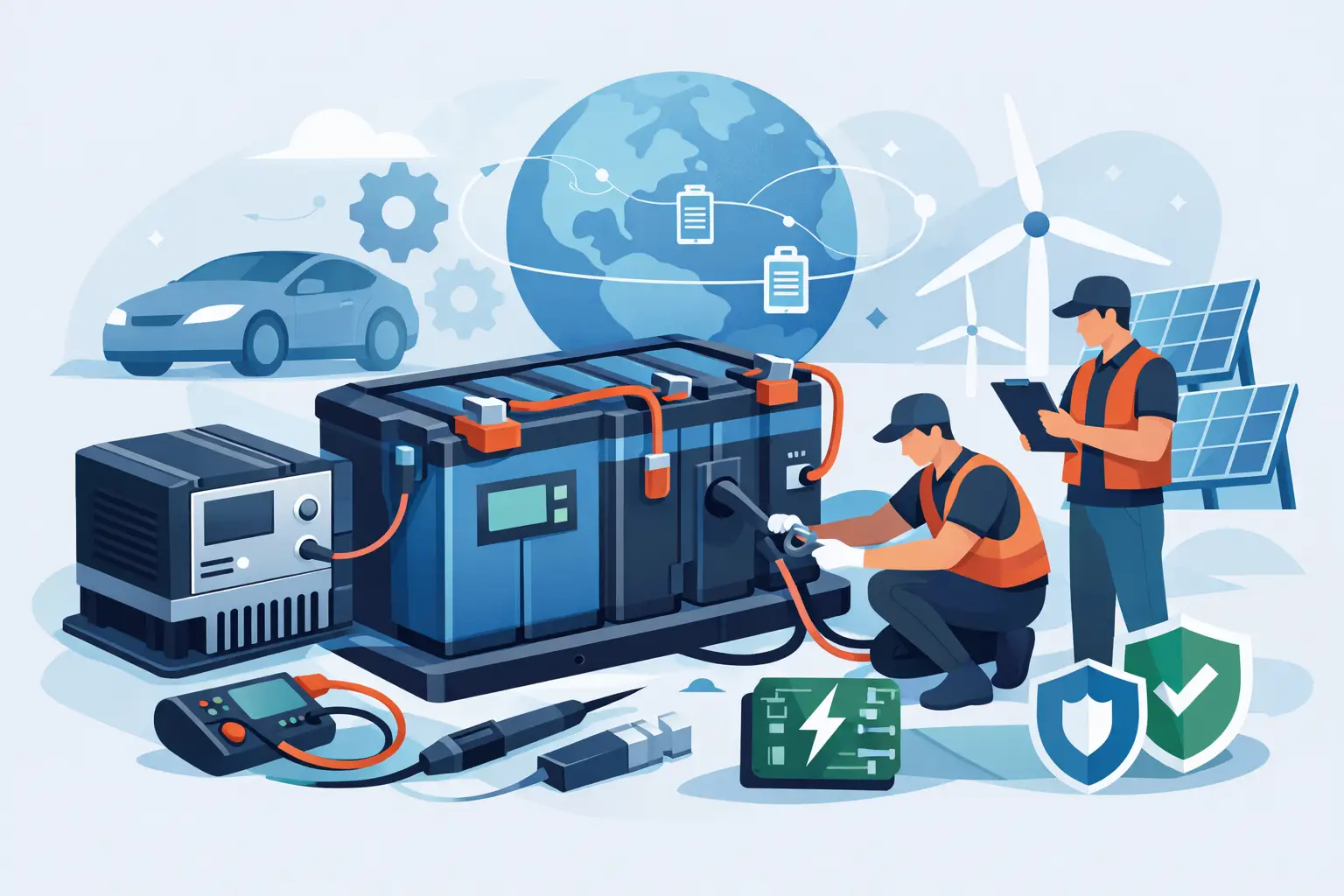
Custom Lithium Battery Setup Done Right
A fridge that cuts out overnight, lights that dim by day two, or a charger that never seems to top the battery up properly usually points to the same problem – the system was pieced together, not planned. A custom lithium battery setup fixes that by matching the battery, charger, solar, inverter, and wiring to the way you actually use your vehicle.
For 4WD owners, caravan travelers, campervan users, and tradies running gear from the back of a ute, that difference matters. A battery on its own is not a power system. The result you get depends on how the whole setup works together, how it is installed, and whether it suits your driving habits, accessory load, and time spent off-grid.
Why a custom lithium battery setup beats a basic upgrade
A lot of people start by asking for a bigger battery. Sometimes that helps. Often, it just shifts the weak point somewhere else.
If the charging system is undersized, a larger lithium battery may take too long to recharge. If the cabling is too small, voltage drop can limit charging performance and create frustrating faults. If the inverter is oversized for the battery bank, you can end up with short run times and unnecessary cost. A proper custom lithium battery setup looks at the full system, not just one component.
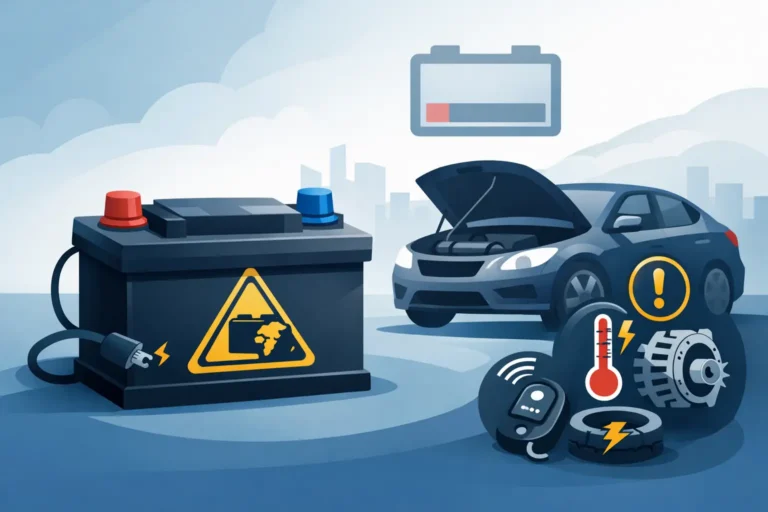
That is especially important in modern vehicles. Smart alternators, variable-voltage charging, factory electrical systems, and accessory-heavy touring setups can all affect how well a lithium system performs. What works in an older ute may not work the same way in a late-model 4WD or a camper with multiple charging sources.
The main benefit of going custom is not just more capacity. It is more usable power, faster recovery, cleaner installation, and better reliability when you are relying on that system away from home.
What goes into a custom lithium battery setup
Every vehicle and travel style is a bit different, but most systems are built around the same core parts. The battery is the obvious starting point, but it is only one part of the job.
Battery capacity and battery type
Capacity needs to match your actual usage. If you are running a fridge, camp lights, phone charging, and the odd water pump, your needs will be very different from someone powering an inverter, induction cooktop, starlink-style internet, or medical equipment.
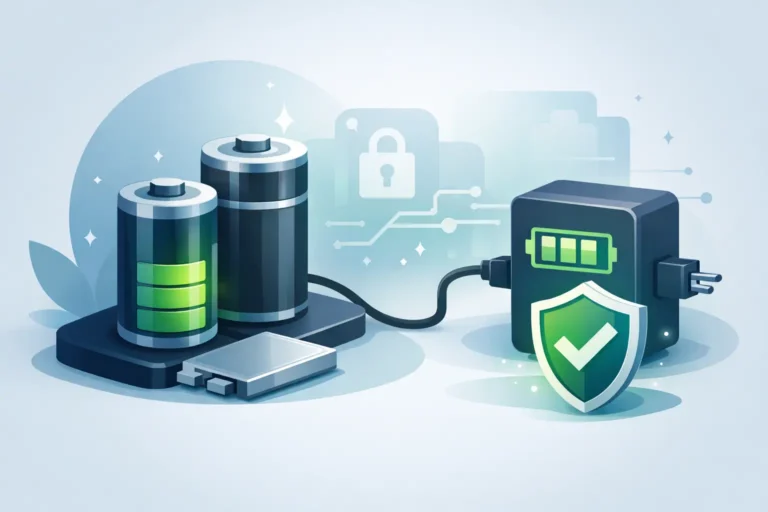
Lithium batteries offer strong advantages over older battery types. They are lighter, they deliver more usable capacity, they recharge faster, and voltage stays more stable under load. That said, quality matters. Battery management systems, cell quality, low-temperature protection, and internal design all affect long-term performance.
Charging from the alternator
This is where many poor setups fall over. A lithium battery needs the right charging profile, and many vehicles do not provide that directly through a simple isolator. In most cases, a DC-DC charger is the right way to control charging from the vehicle while protecting the starting battery and delivering the proper charge voltage.
The charger size needs to suit both the battery bank and the vehicle. Bigger is not always better. A high-output charger can be great for quick recovery, but it also increases heat, load on the alternator, and installation demands.
Solar input
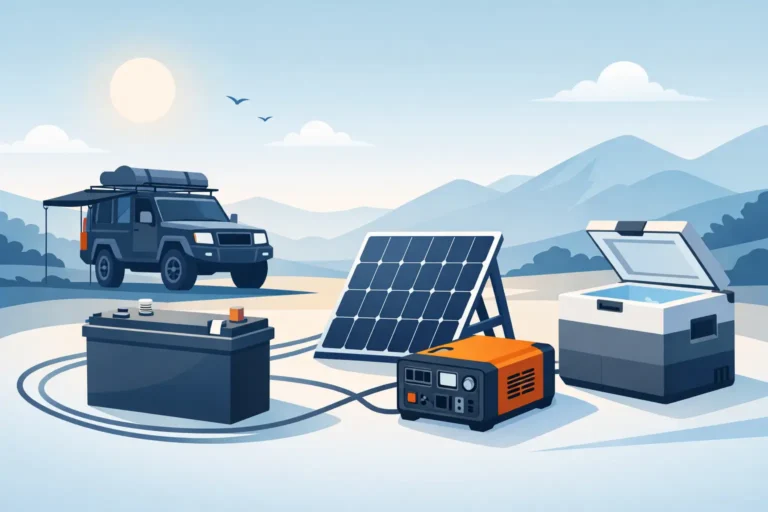
Solar is what extends your stay without needing to drive every day. But again, panel size, regulator type, roof space, shading, and cable runs all matter. A small panel may maintain light loads in good weather. It will not magically cover heavy inverter use or multiple cloudy days.
For many touring setups, solar works best as part of a balanced charging strategy rather than the only source of recovery.
Inverters and 12V loads
If you need 120V power for chargers, tools, appliances, or work gear, the inverter has to be chosen carefully. The right unit depends on startup loads, continuous draw, and how often you actually use it. Plenty of people buy a large inverter for “just in case” use, then wonder why the system cost climbed and available runtime dropped.
Sometimes the better answer is to keep more appliances on 12V and use a modest inverter only where it makes sense.
Wiring, fusing, and layout
This is the part that does not get much attention online, but it is one of the most important. Cable size, fuse protection, terminal quality, grounding, ventilation, and mounting position all affect safety and performance. A tidy install is not just about looks. It makes the system easier to inspect, troubleshoot, and trust.
How the right setup depends on how you travel
A weekend camper and a full-time traveler should not have the same system by default. Neither should a tradesman who idles between jobs and runs tools at site.
If you drive every day and only stop for one or two nights at a time, alternator charging may do most of the heavy lifting. If you stay parked for several days, solar and battery capacity become much more important. If you are in heavily shaded campsites, roof solar alone may not carry the load. If you tow a caravan, battery placement and charging from both the tow vehicle and solar need to be planned together.
This is why real usage questions matter. How long do you stay in one place? What runs overnight? What runs through an inverter? Do you want enough storage for comfort, or enough to be self-sufficient for days? There is no honest one-size-fits-all answer.
Common mistakes with lithium battery upgrades
The most common mistake is underestimating power use. Fridges cycle, pumps spike, fans run longer in hot weather, and inverters often draw more than expected. On paper, a setup can look fine. In real conditions, it can come up short quickly.
The second mistake is mixing good parts with poor installation. Premium batteries and chargers cannot make up for undersized cable, weak earths, bad fuse placement, or inconsistent terminations.
The third is buying for future plans without defining those plans. It makes sense to leave room for expansion, but overspending on capacity or inverter size now can create a system that is less efficient and harder to charge properly.
There is also the issue of compatibility. Not every charger, solar controller, monitoring system, and battery talks nicely to the next. A system should be designed as a package, not collected one box at a time.
When a custom lithium battery setup is worth it
If your power needs are basic and you only head out occasionally, a simple dual battery system may be enough. But once you are relying on power for longer trips, remote travel, work equipment, or a more comfortable camp setup, custom starts making sense quickly.
It is also worth it when reliability matters more than saving a little upfront. If a flat battery means spoiled food, no communication gear, no lighting, or no way to keep equipment running, the value of a well-planned system is pretty clear.
For many customers, the real win is confidence. You know what the system can handle, how it charges, and where the limits are. That beats guessing every time you head away.
What to expect from a proper installation
A good installer should ask more than “What battery size do you want?” They should ask how you use the vehicle, what accessories you run, how long you camp, whether you drive daily, and if you plan to expand later.
From there, the system should be sized around realistic load calculations and matched with suitable charging equipment, protection, and mounting hardware. The finished result should be neat, serviceable, and explained clearly. You should know what each component does, how to monitor battery status, and what sort of performance to expect under normal use.
That practical advice matters just as much as the hardware. Even a well-designed setup benefits from understanding basic habits like how inverter use affects runtime, how weather changes solar input, and why charging times vary between short drives and longer travel days.
At Coastal Cool Air, that is the part we take seriously – building systems that are suited to the vehicle and the customer, not just the shelf stock. Whether it is a touring 4WD, a caravan upgrade, or a campervan power system, the goal is simple: dependable off-grid power without the guesswork.
Choosing the right system without overbuilding it
There is a sweet spot with lithium systems. Too little capacity and you are managing power all the time. Too much, and you may spend money on storage you rarely use while struggling to recharge it efficiently.
The best setup is usually the one that covers your normal use comfortably, leaves a bit of headroom, and uses charging sources that suit the way you travel. That might mean a modest battery with strong charging support. It might mean a larger battery bank for longer stays. It depends on the vehicle, the accessories, and your expectations.
If you are planning a custom lithium battery setup, start with the loads, not the marketing claims. A system that is properly sized, correctly wired, and built around real-world use will always serve you better than the biggest battery in the catalog.
A good power system should feel boring in the best possible way – it just works when you need it.