7 Best Dual Battery Isolator Options
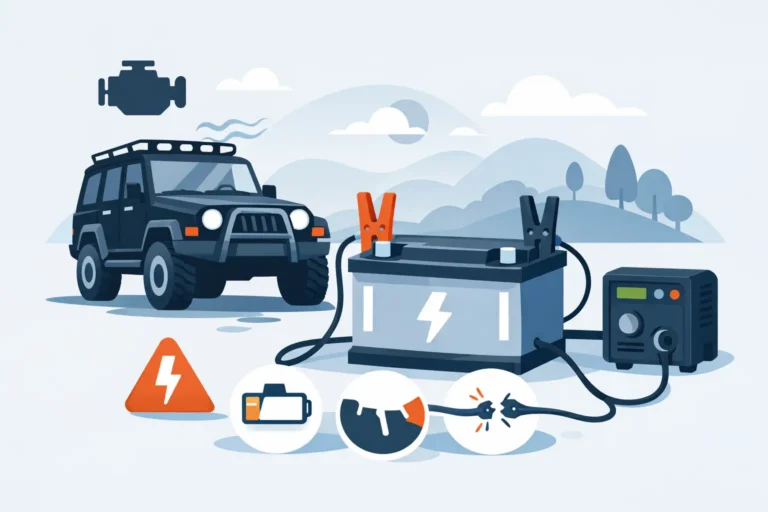
Flat starter battery at camp is the kind of problem that turns a good trip into an expensive lesson. When people ask about the best dual battery isolator options, they usually want one clear answer. The truth is simpler and more useful than that – the right isolator depends on how your vehicle charges, what battery chemistry you run, and how hard you expect the system to work.
For a basic touring setup, a simple voltage-sensitive relay can do the job well. For a modern 4WD with a smart alternator, a lithium auxiliary battery, or a caravan charging line, that same relay can be the wrong choice. This is where a lot of DIY systems come unstuck. The isolator is not just a switch. It is what decides when your batteries are connected, how they are charged, and whether your starting battery stays protected.
What actually makes the best dual battery isolator options?
The best dual battery isolator options are the ones that suit the vehicle and the battery, not the ones with the biggest marketing claims. In workshop terms, we look at four things first: alternator type, cable run length, battery chemistry, and accessory load.
If you have an older vehicle with a conventional alternator and an AGM battery mounted close to the cranking battery, a relay-based system is often perfectly serviceable. It is affordable, reliable and easy to fault-find later. If you have a newer ute or wagon with variable voltage charging, or you are trying to charge a battery in the rear of the vehicle or inside a caravan, a DC-DC charger with isolator function is usually the safer option.
That difference matters because batteries are expensive, especially once you move into lithium. A cheap isolator that undercharges the battery or lets voltage drop away through a long cable run is not really saving money.
The main isolator types and where they fit
Voltage-sensitive relays
A voltage-sensitive relay, or VSR, watches the main battery voltage and connects the auxiliary battery once charging voltage rises above a set point. When the engine is off and voltage falls, it disconnects to protect the starter battery.
This style suits simpler setups. Think older 4WDs, work utes, or weekend touring rigs with modest loads like a fridge, camp lights and USB charging. They are generally lower cost and less complex to install than DC-DC systems.
The trade-off is that a VSR does not boost voltage. It passes through what the alternator is already producing. If the alternator voltage is too low, or if there is a long run to the second battery, charging performance can be average at best. AGM batteries may never get a proper full charge, and lithium batteries usually need something more controlled.
Solenoid isolators
Basic solenoid isolators are a more old-school approach. They physically connect and disconnect batteries when triggered, often by ignition or a manual switch. In the right application, they can still be effective.
They are usually best where simplicity matters more than precision. Some owners like the manual control, especially in custom builds. The downside is that they offer less charging intelligence and less battery protection than modern smart systems. They can be fine in a basic touring setup, but they are rarely the best fit for newer vehicles or premium battery systems.
DC-DC chargers with isolator function
For many modern setups, this is where the conversation ends. A DC-DC charger does more than isolate. It takes incoming voltage, boosts or regulates it, and delivers the correct charging profile for the auxiliary battery.
That makes it a strong option for smart alternator vehicles, lithium systems, rear-mounted batteries, caravans, camper trailers and anyone wanting more consistent charging on the move. If you are running a fridge full time, charging camera gear, or relying on stored power for a few days off-grid, a DC-DC charger gives you far better control.
The trade-off is cost. Installation is also more important, because cable sizing, heat management and charger placement matter. But if the vehicle and battery call for it, this is usually money well spent rather than money spent twice.
7 best dual battery isolator options to consider
1. Basic VSR isolator for older vehicles
This is still a solid choice for older LandCruisers, Patrols, Hiluxes and similar vehicles with traditional alternators. If the auxiliary battery is under the bonnet or mounted nearby and the loads are reasonable, a quality VSR setup can be dependable and cost-effective.
It is not fancy, but it works when the rest of the system suits it.
2. Heavy-duty solenoid isolator with manual override
This option appeals to owners who want a straightforward system and occasional manual linking capability. It can be useful in work vehicles or practical touring rigs where the owner understands how and when to use the override.
It does need sensible use. Manual control can be handy, but it also creates room for user error.
3. Smart VSR with override and protection features
A step above a basic relay, these units often add surge protection, better switching logic and emergency start functions. They suit drivers who want the simplicity of a relay system with a few more safeguards built in.
They still rely on alternator voltage, so they are not a cure-all. But in the right vehicle, they offer good value.
4. DC-DC charger for AGM dual battery systems
For modern vehicles and AGM auxiliary batteries, this is one of the most practical upgrades. It gives the battery a proper multi-stage charge and handles voltage drop far better than a relay-only system.
This is often the sweet spot for people running a fridge, lights and a few accessories in a 4WD or camper.
5. DC-DC charger for lithium auxiliary batteries
Lithium changes the conversation. It charges differently, accepts current differently and usually rewards proper management. A lithium-compatible DC-DC charger is one of the best dual battery isolator options if you want reliability and battery life from a premium setup.
This is especially relevant for touring vehicles with inverters, solar input and higher daily power use.
6. DC-DC charger with solar input
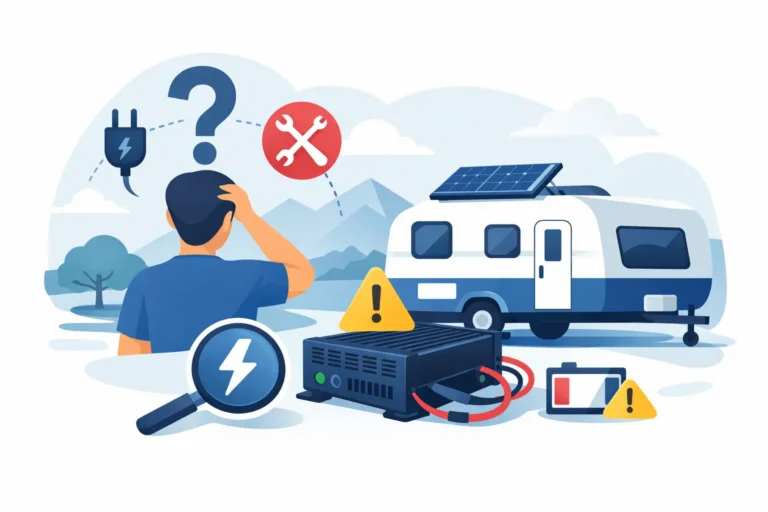
For caravans, camper trailers and longer off-grid travel, combining vehicle charging and solar regulation into one unit can make a lot of sense. It helps keep the system tidy and improves charging flexibility once camp is set.
It is not always necessary for a simple weekend vehicle, but for people who travel regularly, it can be a very clean solution.
7. Full battery management systems
At the top end, some setups go beyond a simple isolator and use integrated battery management. These systems can coordinate alternator input, solar, mains charging, battery monitoring and load control.
They are not for every vehicle. But if you are building a serious touring wagon, campervan or off-grid caravan, they can provide better visibility and better protection across the whole system.
How to choose the right system for your vehicle
Start with your alternator. If the vehicle has a smart alternator, a VSR may not charge the second battery properly. In many late-model vehicles, a DC-DC charger is the safer call.
Next, look at battery type. AGM is more forgiving than lithium, but both still need suitable charging voltages. If you are spending decent money on battery storage, it makes sense to match it with the right charging gear.
Then think about distance and load. A battery mounted in the tub, canopy, rear cargo area or caravan will see voltage drop over long cable runs. That is where DC-DC charging earns its keep. If all you want is a backup battery under the bonnet for occasional light use, a relay setup may be enough.
Finally, be realistic about how you travel. There is no point fitting a complex premium system if your biggest load is charging a phone and running a camp light twice a year. Just as importantly, there is no point going cheap if you expect to run a fridge, inverter, diesel heater and lights for days at a time.
A note on brands and installation quality
There are good options across the market, but the hardware is only half the story. Even quality gear can underperform if the cabling is undersized, earths are poor, fuses are in the wrong place, or the charger is mounted where it cooks itself.
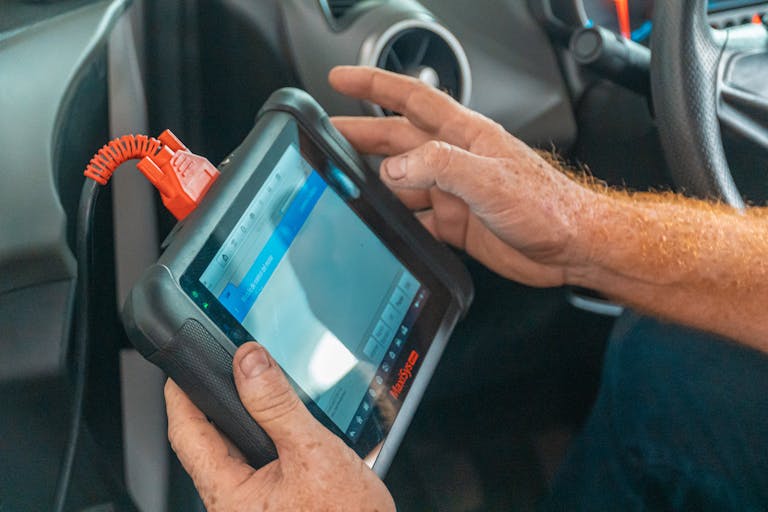
That is why proper diagnosis matters before installation. We regularly see systems that were sold as a battery problem when the real issue was voltage drop, a poor earth, incorrect charger settings or mismatched components. Premium brands such as Redarc and Victron have earned their reputation, but they still need to be matched to the vehicle and installed properly.
If you are building a touring setup around lithium, solar and inverter use, it helps to treat the isolator as part of the complete charging system rather than a single part number.
When a cheaper isolator is enough
Not every setup needs top-shelf gear. If you have an older vehicle, short cable runs, a modest AGM battery and light weekend use, a well-installed relay system can be perfectly reliable. The key is knowing its limits.
Problems usually start when owners expect a simple relay to behave like a proper battery charger. It will not fix a low-voltage alternator, and it will not optimise charging for every battery type.
When it is worth stepping up
If your vehicle is newer, your auxiliary battery is lithium, or your plans include serious off-grid travel, stepping up to a DC-DC or integrated management setup is usually the better long-term move. It protects battery investment, improves charging consistency and reduces the chance of being let down when you are a long way from home.
For Sunshine Coast drivers heading inland, up the beach or out on longer touring runs, reliability matters more than chasing the cheapest part on the shelf. The best system is the one that starts every time, charges properly, and suits the way you actually use the vehicle.
A good dual battery setup should make travel easier, not give you another electrical mystery to sort out at camp.