Victron Inverter Installation in a Vehicle
A proper victron inverter installation vehicle setup is usually judged by one simple moment – when you flick on the coffee machine, charger or induction cooktop and everything just works. No low-voltage alarms, no hot cables, no tripped protection and no flat battery an hour later. That result does not come from bolting in a good inverter alone. It comes from getting the whole system right.
For 4WDs, campervans, caravans and work utes, Victron gear is popular for a reason. It is well built, flexible and easy to integrate into larger 12V and 24V systems. But inverter installs in vehicles are not one-size-fits-all. The right setup depends on how you travel, what you want to run and how much space, battery capacity and charging support you actually have.
Why victron inverter installation vehicle jobs need planning
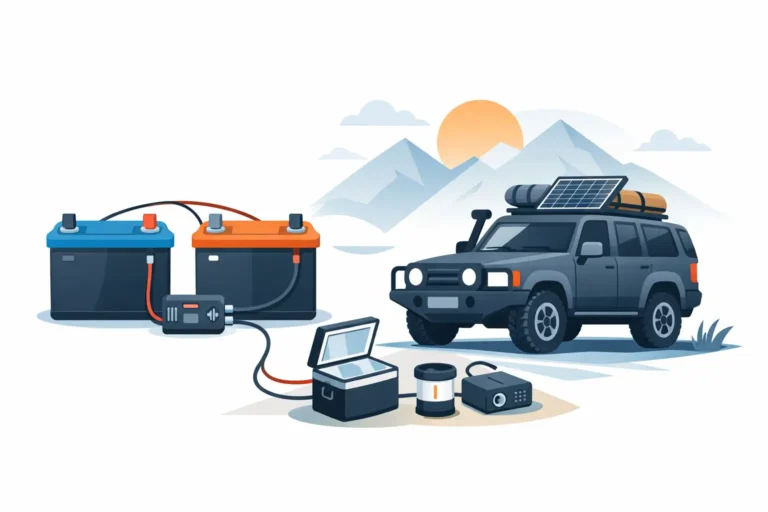
The inverter is only one part of the electrical system. It converts battery power into 240V AC so you can run household-style appliances on the road, but it also places serious demand on the battery bank and cabling. A 2000W inverter at full load can pull a lot of current from a 12V system. If the cables are undersized, the battery is too small or the charging setup cannot keep up, performance suffers quickly.
That is where many DIY installs come unstuck. On paper, the inverter rating sounds perfect. In real use, the battery voltage drops, protection kicks in and the system feels unreliable. The issue is rarely the badge on the inverter. It is the mismatch between inverter size, battery chemistry, cable length, fuse protection, charging capacity and actual appliance load.
In a vehicle, there is also vibration, heat, dust and limited mounting space to think about. What works in a shed or tiny house does not always suit a 4WD wagon, canopy or camper.
Start with what you actually want to power
The best place to begin is not the inverter catalogue. It is your appliance list.
If you only want to charge laptops, camera batteries, drone gear and a few power tools, your needs are very different from someone wanting to run a coffee machine, microwave or hair dryer. High-draw appliances change the design fast. They can be used for short periods, but they still demand a battery bank and cabling system that can deliver the current safely.
This is where honest advice matters. Plenty of people ask for a big inverter because it sounds future-proof. Sometimes that is the right call. Sometimes it just adds cost and creates a system that spends most of its life lightly loaded while taking up more room and requiring heavier cable.
A practical setup is usually sized around the highest realistic load, not every possible load you might use once a year.
Battery size matters just as much as inverter size
A quality Victron inverter can only work with the power available to it. If the battery bank is undersized, the inverter becomes frustrating no matter how good the product is.
Lithium has changed the game for touring and off-grid vehicle setups because it handles deeper discharge and higher usable capacity than older battery types. It also copes better with inverter loads when matched and installed properly. That said, battery choice still depends on the job. A weekend camper with light loads might be fine with a modest lithium setup. A full-time touring van or trade vehicle using 240V tools may need a much larger bank and stronger charging support.
The key question is not just how long you want to run 240V gear. It is how often you will use it between charges and what will recharge the battery afterwards. Alternator charging, DC-DC charging, solar input and shore power all affect how practical the inverter system will be in daily use.
Cabling, fusing and protection are not the boring bits
They are the bits that make the system safe and dependable.
Inverter installations draw high current on the DC side. That means short cable runs where possible, the correct cable size for the current and distance involved, proper crimping, suitable fuse protection and secure mounting. Poor terminations create resistance, resistance creates heat, and heat is the sort of problem you do not want hidden behind trim panels or inside a canopy.
This is also why professional installation has value beyond neat presentation. A tidy setup is good, but electrical protection is what keeps the vehicle and occupants safe. Correct isolation, battery protection, ventilation, earthing and cable support all matter.
With 240V involved, there is even less room for guesswork. Vehicle power systems need to be designed with both performance and compliance in mind.
Where to mount a Victron inverter in a vehicle
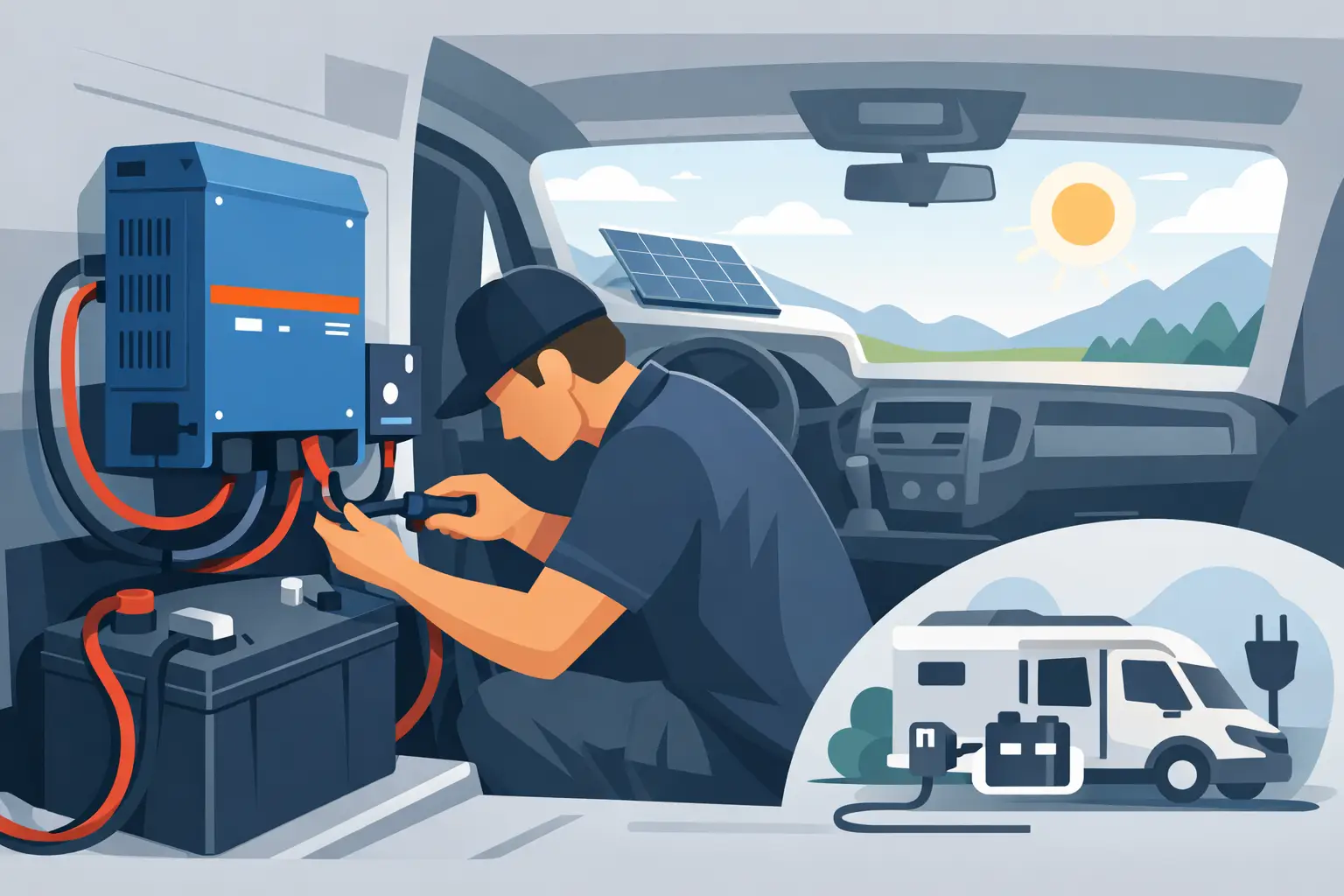
Mounting position affects serviceability, cooling and cable length. In most vehicle builds, the ideal location is close to the battery bank but not cramped into a hot, sealed cavity. Inverters need airflow. If they are boxed in with no ventilation, heat can limit output or shorten component life over time.
You also want the unit protected from water ingress, road grime and accidental damage from gear sliding around. In a touring setup, accessibility matters too. If you need to check settings, inspect connections or isolate the system, you do not want to strip half the storage fit-out just to reach it.
Every vehicle layout has compromises. Under-seat installs, canopy side panels, van cabinetry and caravan compartments can all work, but the right answer depends on the platform.
Integrating charging, solar and monitoring
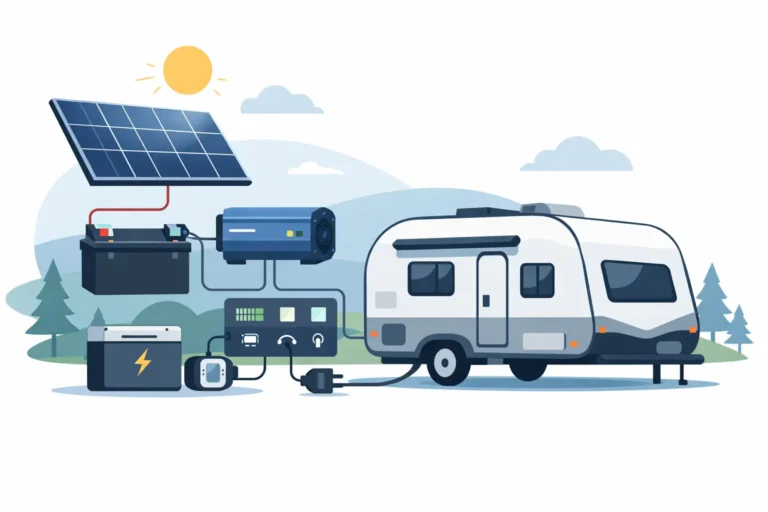
A good inverter install becomes much more useful when it is part of a complete power system. Victron is well regarded because the components can work together cleanly. That gives owners better visibility over battery state, charging behaviour and power use.
Monitoring is not just a nice extra. It helps you understand whether your setup is coping or being pushed too hard. If you can see battery voltage, state of charge, charge input and current draw, you make better decisions on the road. You are less likely to flatten the battery unexpectedly or wonder why the fridge and inverter are fighting for power by the second morning.
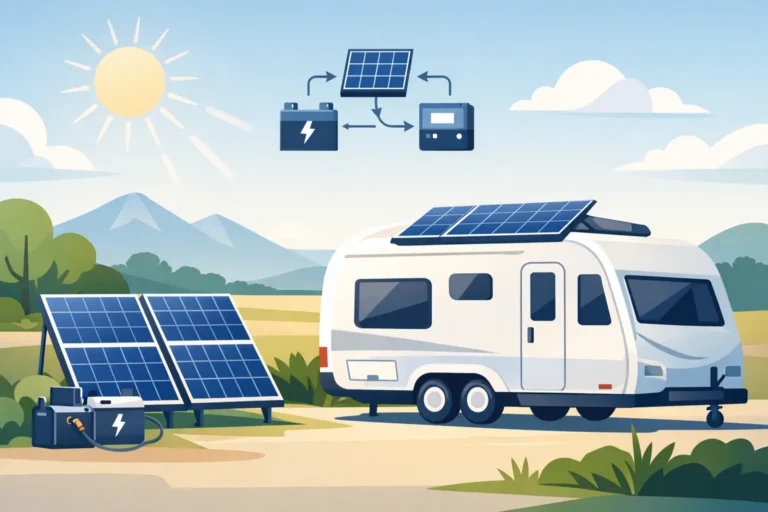
Solar can also take pressure off the charging system, especially for campers and caravan users staying put for a few days. But solar alone is not always the answer. Shaded campsites, cloudy weather and seasonal travel patterns can reduce its usefulness. That is why the best systems are designed around your real travel habits, not ideal conditions.
Common mistakes with vehicle inverter installs
The most common problem is oversizing the inverter and undersizing everything else around it. The second is assuming that because an appliance has worked once, the system is adequate. Plenty of setups will run a load briefly while still being poorly matched long term.
Another issue is forgetting startup surge. Some appliances draw much more power when they first kick in than they do once running. That can catch people out, especially with compressors, certain tools and kitchen gear.
There is also the matter of standby draw. Even when nothing much is happening, some inverter systems still consume power. For occasional users, that may not matter. For vehicles parked up between trips, it can matter a lot.
Then there is plain old installation quality. Loose connections, poor earths, cheap cable, no proper fuse protection and badly chosen mounting spots tend to show up at the worst time – usually when you are away from home and relying on the system.
Is a Victron inverter right for every vehicle?
Not automatically, but it is a strong option for many builds.
If you want a dependable, premium setup with room to integrate charging, battery monitoring and solar in a more complete way, Victron makes sense. It suits owners who want a system that can be tailored properly rather than a generic off-the-shelf kit. That is especially useful in custom 4WD, campervan and caravan applications where no two layouts are quite the same.
If your needs are very basic, a simpler setup may be enough. Not every vehicle needs a high-capacity inverter system. Sometimes a smaller inverter, better 12V appliances or a revised charging plan is the smarter spend.
That is generally the best approach to any Victron inverter installation in a vehicle – design it around how you use the vehicle, not around what looks impressive on a spec sheet. A well-matched system feels easy every time you head away, and that is what matters when you are relying on it well beyond the nearest powered site.