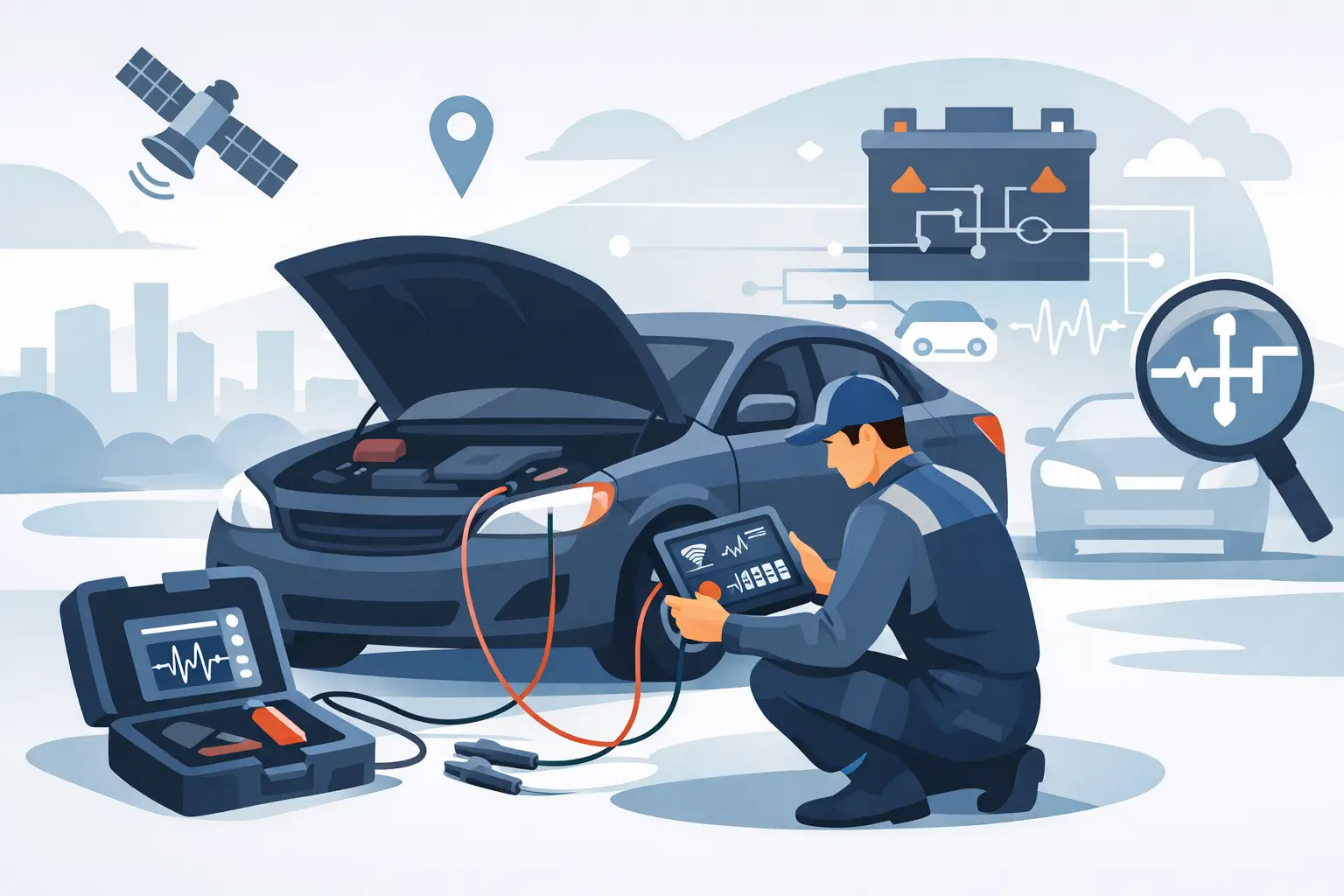
Mobile Automotive Electrical Diagnostics
A warning light comes on, the battery keeps going flat, the fridge stops working in the back of the 4WD, or the van charging system suddenly quits before a trip. That is where mobile automotive electrical diagnostics can save time and stress. When the fault is electrical, guessing usually costs more than proper testing.
Electrical problems are frustrating because the symptoms are often inconsistent. A vehicle might start perfectly in the morning and fail in the afternoon. A dual battery system might charge fine while driving, then stop feeding accessories once parked. Air-conditioning issues can also overlap with electrical faults, especially when relays, pressure sensors, control modules, or blower circuits are involved. What matters most is finding the real cause before replacing parts that are still working.
What mobile automotive electrical diagnostics actually covers
Mobile diagnostics is not just plugging in a scan tool and reading a code. Good testing starts with the complaint, the vehicle setup, and the conditions where the fault happens. On modern vehicles, that can include battery health, charging output, parasitic drain, earth faults, damaged wiring, failed switches, relays, blown fuses, module communication issues, and accessory power problems.
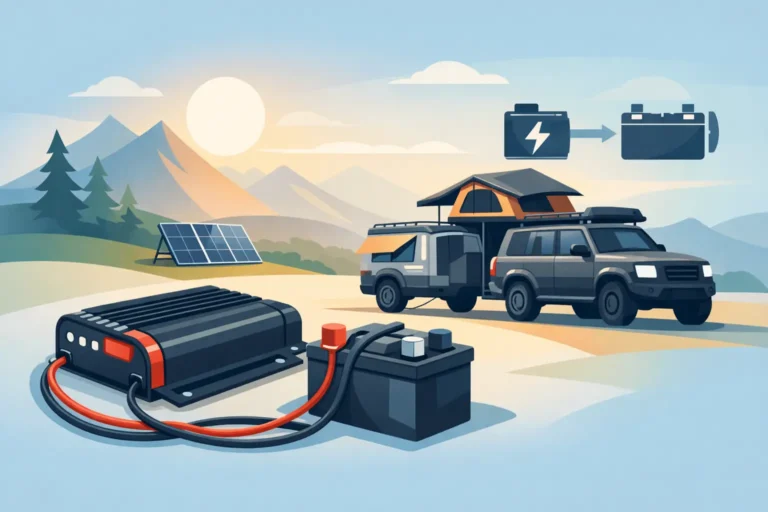
For touring and recreational setups, the scope often goes further. A 4WD, campervan, or caravan may have a starter battery, auxiliary battery, DC-DC charger, solar regulator, inverter, fuse block, fridge feed, lighting circuits, and aftermarket accessories all working together. When one part of that system fails, the problem is not always in the component that stopped working. It may be upstream in the wiring, voltage drop, battery condition, or how the system was originally installed.
That is why proper diagnostics matters. The job is not to chase symptoms. The job is to test the system step by step and explain what has failed, what is still serviceable, and what repair makes sense.
When mobile automotive electrical diagnostics makes sense
There are plenty of cases where mobile service is the practical option. If a vehicle will not start at home or at work, getting answers on site is a lot easier than arranging a tow just to begin testing. The same applies when a caravan, camper trailer, or off-grid setup has an accessory charging fault that is easier to inspect where it is parked.
Mobile work is also useful when the issue is tied to the way the vehicle is used. A touring setup loaded with a fridge, solar blankets, charging gear, and extra lighting is easier to diagnose when everything is connected as normal. Testing the system in its real-world state can reveal faults that would be missed in an empty workshop bay.
That said, mobile diagnostics is not always the right fit for every problem. Some faults need workshop time, lift access, extended strip-down, or more controlled testing conditions. Intermittent wiring faults buried behind trims, dash components, or custom installations can take longer to expose. The right approach depends on the vehicle, the system, and what the first round of testing shows.
Common faults drivers and touring owners run into
Electrical issues rarely announce themselves clearly. One customer sees dim headlights and slow cranking. Another notices a battery that goes flat after two days parked. Someone else finds their caravan battery is never fully charged after a full day of driving. The symptoms vary, but the causes usually fall into a few familiar categories.
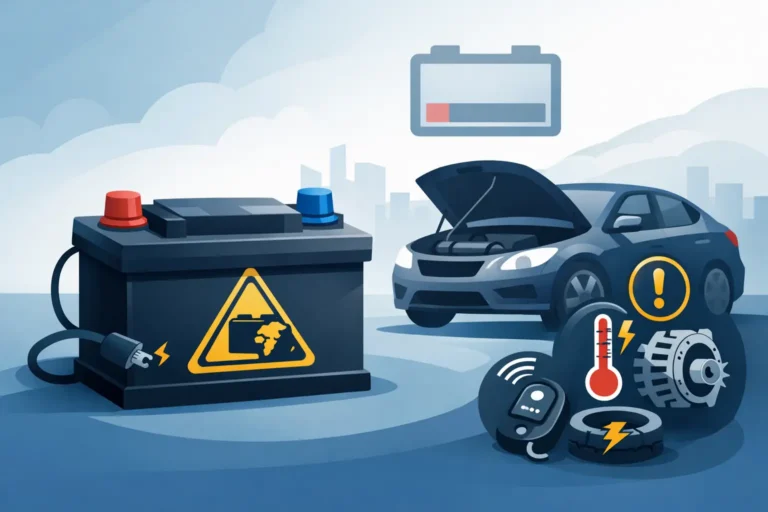
Battery and charging faults are high on the list. A weak battery can mimic other problems, but a healthy battery can also be let down by an alternator that is undercharging, poor cable connections, or excessive current draw when the vehicle is off. Voltage drop is another common problem, especially in older vehicles or accessory-heavy builds. The component may be fine, but if wiring is undersized, damaged, or poorly terminated, performance suffers.
Aftermarket installations can be another source of trouble. Dual battery systems, brake controller wiring, spotlights, solar inputs, and inverter feeds all add complexity. If the original work was rushed or not designed for the actual load, faults can show up later as unreliable charging, hot cables, blown fuses, or unexplained battery drain. This is especially common in vehicles set up for camping, trade work, or towing.
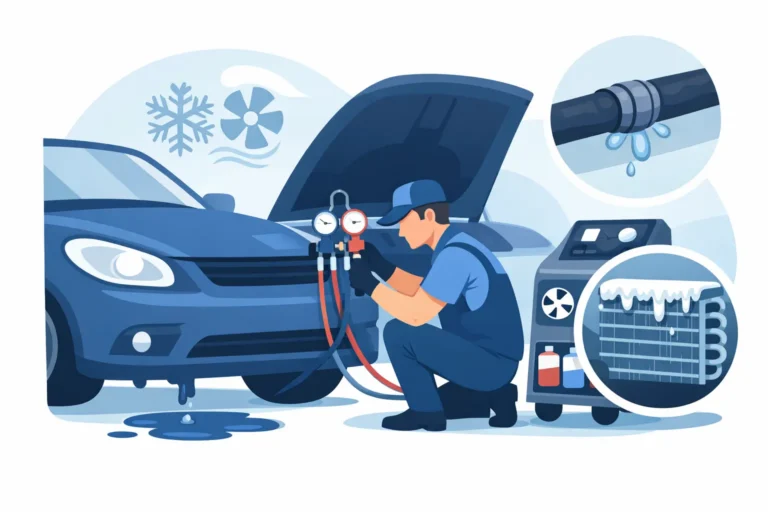
Then there are faults that sit on the edge between electrical and air-conditioning. A compressor may not engage because of a pressure issue, but the trigger path can also involve wiring, relays, control circuits, or sensor readings. Replacing parts without testing that circuit properly is where costs start stacking up.
What good diagnostics should look like
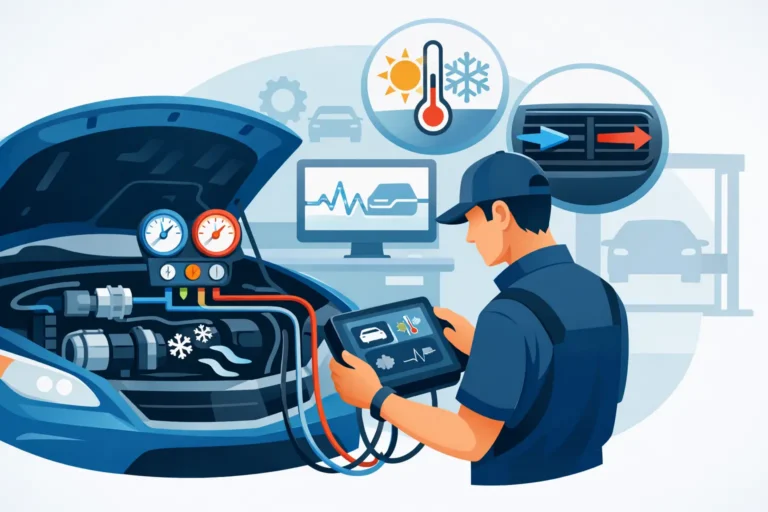
The biggest difference between guesswork and proper diagnostics is method. A qualified technician should start by confirming the fault, checking the system layout, and testing likely causes in a logical order. That may involve scan data, voltage testing, continuity checks, current draw measurement, charging analysis, and inspection of wiring condition and connection quality.
Clear communication matters too. Most people do not need a lesson in electrical theory. They just want to know what is wrong, what caused it, and what it will take to fix it properly. A good service experience includes showing the findings in plain language, outlining repair options, and avoiding unnecessary replacements.
That is especially important with premium touring setups. If you have invested in lithium batteries, DC-DC charging, solar, inverter capability, or branded components, you want the fault traced accurately rather than having parts swapped at random. Often the smartest repair is smaller than expected. Other times, diagnostics reveals that a system needs redesign because the original setup was never suited to how the vehicle is being used.
Why mobile testing is valuable for 4WD and off-grid systems
Off-grid power setups are built for reliability, but they are only as good as the design and installation behind them. A touring vehicle may run a fridge, lights, comms, chargers, pumps, and inverter loads over long distances and in harsh conditions. Small issues become big ones quickly when you are relying on that system away from town.
Mobile diagnostics can be especially useful before a trip if something feels off. Maybe the battery is not recovering as quickly as it used to. Maybe solar input looks inconsistent. Maybe the van is not charging correctly from the tow vehicle. These are the kinds of faults worth catching early.
For owners of 4WDs, caravans, and campervans, the value is not just convenience. It is reducing the risk of being stranded with a power problem that could have been found in advance. Coastal Cool Air works with both traditional vehicle electrical faults and adventure-ready 12V systems, which is important because many real-world problems sit somewhere in the middle.
The trade-off between speed and thoroughness
Everyone wants a fast answer, and in many cases that is realistic. A flat battery caused by a failed battery, a poor earth, or an obvious charging issue can often be identified quickly. But some faults take time, particularly intermittent problems that only appear under heat, vibration, load, or after the vehicle has been parked for several hours.
That is where honest advice matters. If a technician says the system needs further workshop testing, that is not a sales tactic when it is backed by the fault pattern. It usually means the first stage has narrowed the issue down, but the next step requires more access or more controlled conditions. Good diagnostics is about accuracy, not rushing to an answer that sounds convenient.
How to get the most from a diagnostic visit
If you are booking an electrical diagnostic, the most helpful thing you can do is describe the fault as clearly as possible. Mention when it happens, how often, what accessories are in use, whether any recent work was done, and whether the problem started after installing something new. If the issue affects a dual battery or caravan charging setup, say what gear is fitted and how the system is normally used.
Those details save time and help narrow the search. Electrical diagnosis is often like pattern recognition. The more accurate the pattern, the faster the testing can focus on likely causes.
If your setup includes lithium batteries, solar, DC-DC charging, inverters, or custom accessory circuits, choose someone who understands those systems properly. Not every auto electrician spends much time on off-grid touring layouts, and not every 12V installer is strong on fault-finding in the base vehicle. Experience across both areas makes a real difference.
A reliable vehicle is not just about replacing worn parts. It is about understanding how the electrical system behaves, where the fault actually sits, and what repair will hold up over time. When the testing is done properly, you get more than a quick answer. You get confidence in the fix and fewer surprises when it matters most.