4WD Off Grid Power System Basics
You usually notice a bad power setup at the worst possible time – the fridge starts cycling off overnight, camp lights dim earlier than they should, or the battery monitor drops faster than expected after one cloudy day. A well-planned 4wd off grid power system is not about adding the biggest battery you can afford. It is about matching charging, storage, and load demands so your vehicle works reliably when you are a long way from a powered site.
For most 4WD owners, the goal is simple. Keep the essentials running, protect the starter battery, and avoid power drama in the middle of a trip. That might mean running a fridge, lights, device charging, a water pump, a diesel heater, or an inverter for small appliances. The right setup depends on how you travel, how long you stay put, and how much room you have to work with.
What a 4WD off grid power system actually needs to do
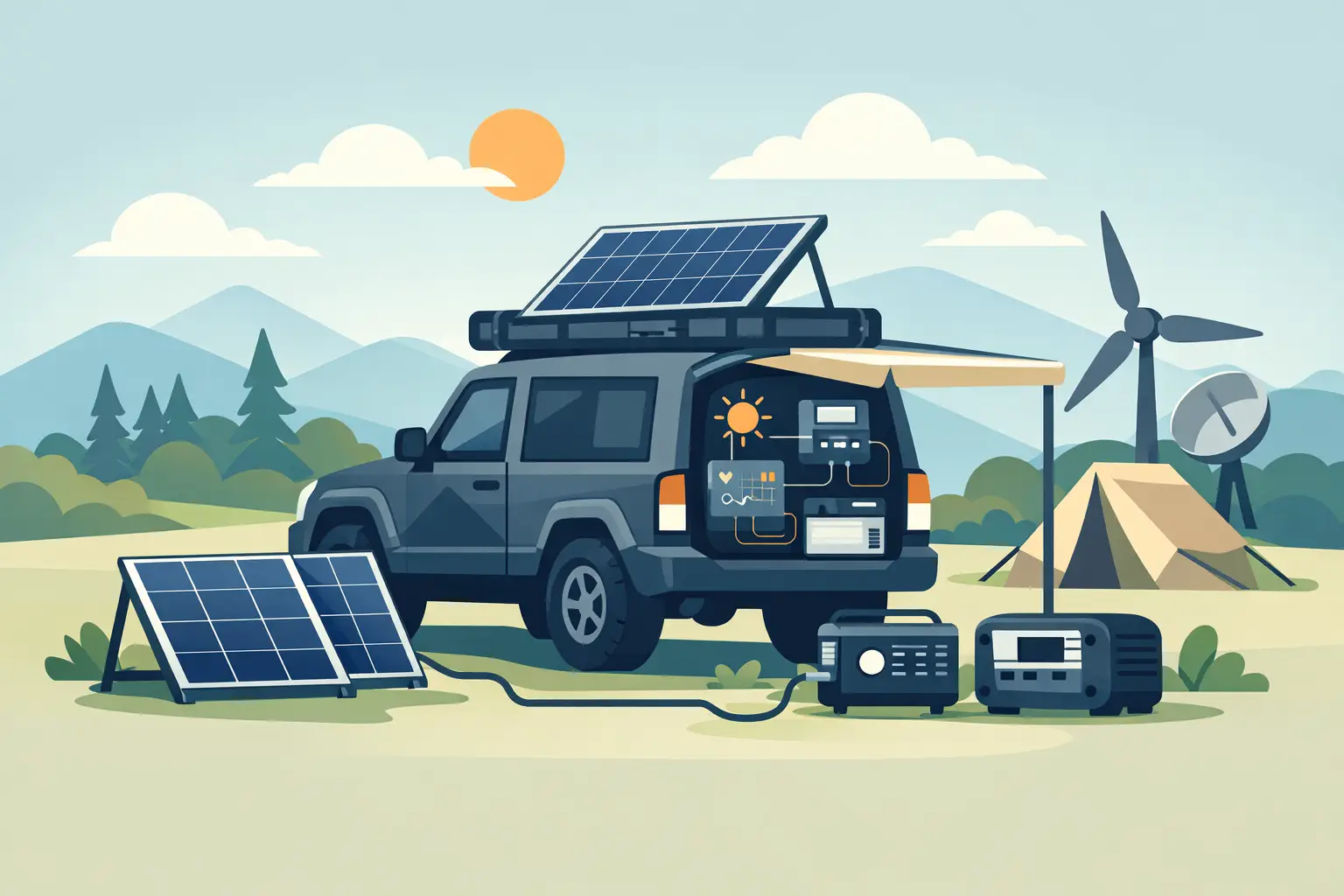
At its core, a 4WD off grid power system has three jobs. It needs to store usable power, recharge efficiently, and distribute power safely to your accessories. If one of those parts is undersized or poorly installed, the whole system suffers.
Battery capacity gets most of the attention, but charging matters just as much. A large lithium battery can still leave you short if your DC-DC charger is too small, your solar input is limited, or your driving pattern does not give the system enough time to recover. On the other hand, a modest battery setup can perform very well when the loads are realistic and the charging sources are chosen properly.
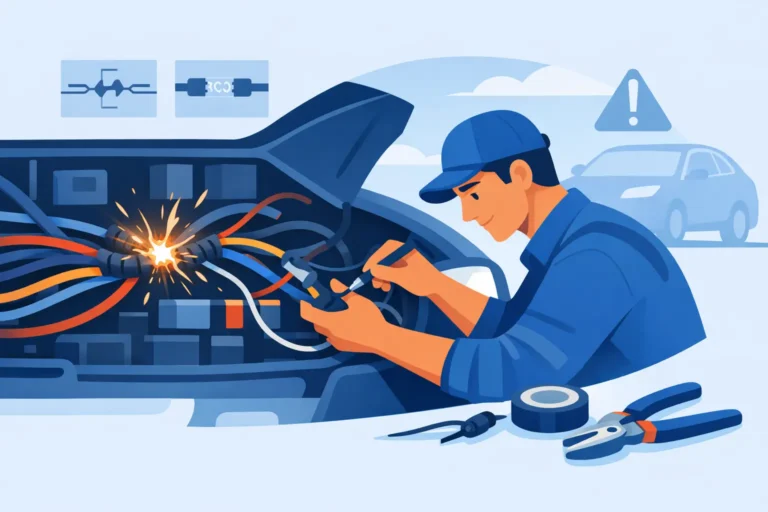
Good distribution is what turns a pile of parts into a dependable touring setup. Fuses, cable size, battery monitoring, low-voltage protection, and sensible circuit layout all matter. This is where many DIY systems come unstuck. The gear may be premium, but poor wiring practice can still cause voltage drop, nuisance faults, and unreliable charging.
Start with your real power use
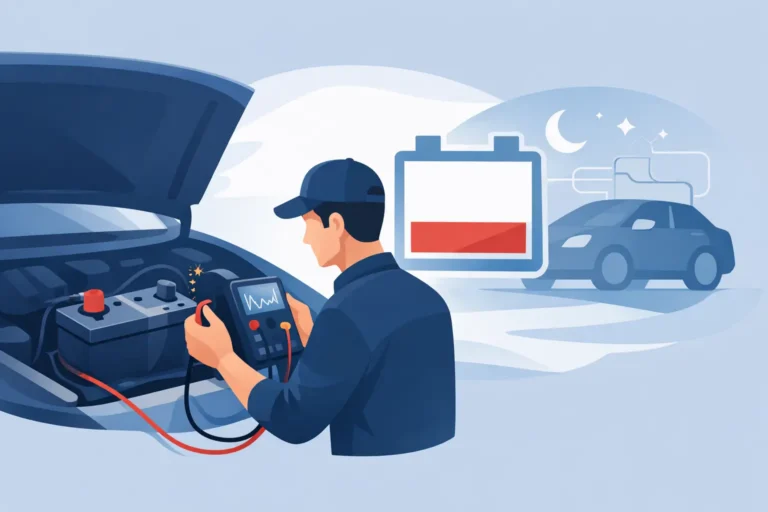
Before choosing components, work out what you actually run in a day. A 12V compressor fridge is often the biggest constant load in a touring vehicle, but ambient temperature, thermostat setting, ventilation, and fridge size all change its draw. Lighting is usually minor if you are using LED fixtures. Charging laptops, camera gear, drones, and phones can add up quickly. Inverters are another common trap because they encourage people to run 120V devices without checking how much battery power they really consume.
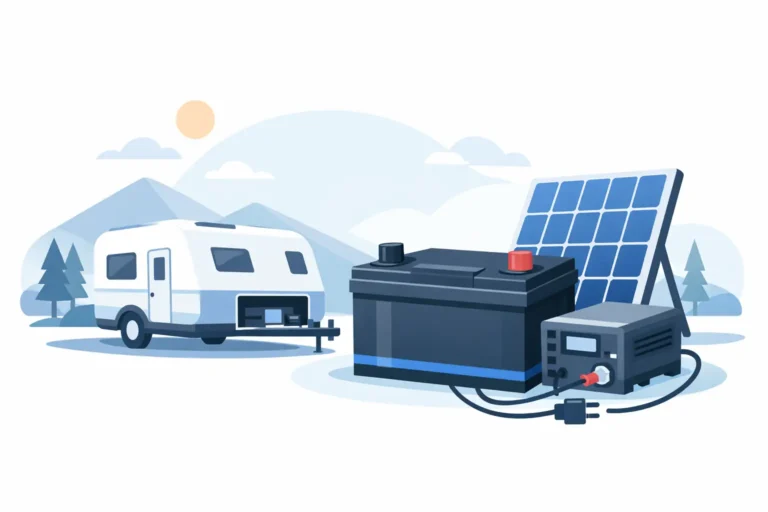
This is why there is no single best battery size for every build. A weekend setup that only supports a fridge and camp lights may be perfectly fine with a compact lithium battery and vehicle charging. A touring rig that spends days parked in one place will usually need more battery capacity and a properly sized solar array. If you travel with a caravan or camper trailer, the vehicle system also needs to work with the wider power setup rather than fighting against it.
Choosing the right battery chemistry
For many modern off-grid vehicle builds, lithium is the preferred option because it offers more usable capacity, lower weight, and better charge efficiency than older battery types. That makes a big difference in a 4WD where space and payload matter. A quality lithium battery also maintains voltage better under load, which helps sensitive accessories and inverter performance.
That said, not every vehicle or budget calls for the same battery strategy. AGM can still suit some simpler or lower-cost setups, especially when the loads are modest and the owner understands the weight and usable-capacity trade-off. Lithium usually wins on performance, but it should be paired with charging equipment that is compatible with the battery management system and the vehicle’s alternator behavior.
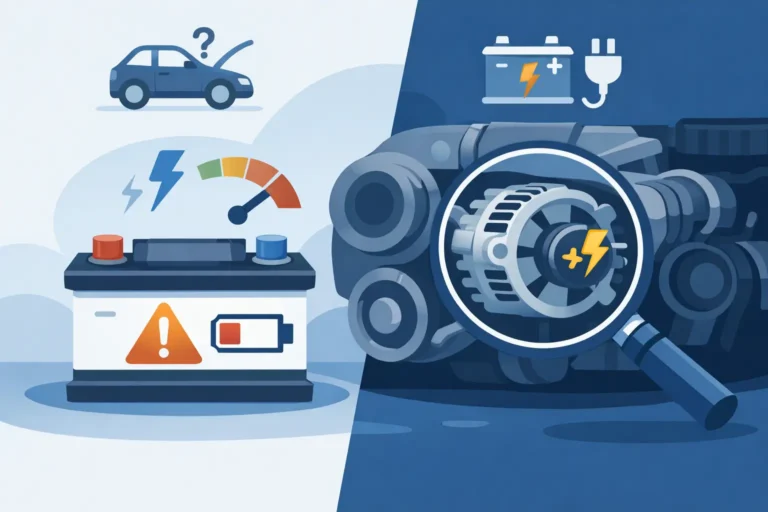
This is one area where tailored advice matters. Newer vehicles with smart alternators often need a proper DC-DC charging solution to charge an auxiliary battery correctly. Skipping that step can leave you with a battery that never reaches full charge, even though the vehicle is driven regularly.
Charging sources make or break the system
A reliable 4wd off grid power system usually pulls charge from more than one source. The most common combination is alternator charging while driving and solar charging while parked. Together, they cover most touring use cases well.
A DC-DC charger controls how power moves from the vehicle to the auxiliary battery. It is especially important in modern vehicles where alternator output is not always suitable for direct charging. The charger should be matched to the battery size, cable run, and expected travel habits. Bigger is not always better. If the charger is oversized for the wiring or battery, you can create other problems.
Solar works best when expectations are realistic. Roof-mounted panels are convenient because they charge whenever there is daylight, but they are limited by available space, parking angle, shade, and roof design. Portable panels can improve charging when camped, though they add setup time and need to be stored securely. For people who stay in one spot for multiple days, solar can be the difference between comfortable independence and rationing power by day two.
Inverters, 12V loads, and where people overspend
Not every setup needs an inverter. If most of your gear already runs on 12V or USB, keeping things on the low-voltage side is usually more efficient and simpler. Every time you convert battery power up to household voltage, you lose some efficiency. That does not mean inverters are a bad idea. They are useful when you genuinely need to run equipment that cannot be replaced with a 12V alternative.
The key is sizing the inverter around real use, not wishful thinking. A small inverter for charging tool batteries or running a laptop is very different from a large unit meant to support kitchen appliances or induction cooking. Large inverters draw serious current and require proper cable sizing, protection, and battery capacity. They also change the whole design brief of the system.
This is where clear planning saves money. Plenty of owners spend heavily on inverter capacity they rarely use, then wonder why their solar and battery setup feels underdone. Often, the better answer is a more efficient fridge, a better charging layout, or a battery monitor that shows where power is really going.
Installation quality matters more than brand badges alone
Quality components are worth fitting, but installation standards are what determine how those parts perform over time. Secure mounting, heat management, correct fuse placement, cable protection, and clean terminations are not cosmetic details. They are the difference between a system that works for years and one that develops annoying faults on corrugated roads or in hot weather.
Battery placement also matters. Weight distribution, ventilation, service access, and exposure to dust or water all need to be considered. The same goes for chargers, solar regulators, and fuse blocks. If a system is hard to inspect or troubleshoot, future maintenance becomes harder than it needs to be.
That is why many owners prefer a custom approach rather than a one-size-fits-all kit. A weekend touring wagon, a work ute with a canopy, and a long-range touring build all have different constraints. The best result usually comes from designing around the vehicle, the accessories, and the travel style rather than forcing generic parts into place.
Common mistakes with a 4WD off grid power system
Most power issues come back to sizing and integration. The battery is too small for the loads, the charging is too slow for the battery, the solar is expected to do more than the weather allows, or the owner has no clear visibility on consumption. It is also common to see expensive components let down by thin cable, poor earthing, or badly planned circuit protection.
Another common mistake is treating the system as separate from the rest of the vehicle. In reality, your off-grid power setup needs to coexist with factory electronics, accessory loads, and how the vehicle is actually used. If you tow, run a fridge full-time, or spend long periods idling rather than driving, those details matter. A setup that looks perfect on paper can still disappoint if it does not match real conditions.
For Sunshine Coast drivers heading inland, up the beach, or out on longer touring trips, reliability matters more than flashy specs. That is where a workshop with real automotive electrical experience adds value. Coastal Cool Air sees both sides of the job – not just the accessories, but the vehicle systems they depend on.
What a good setup feels like in practice
A properly designed system is not something you constantly think about. The fridge stays cold, the lights work, the battery recovers as expected, and you can check system status without guessing. There is enough reserve to handle normal use, but not so much wasted hardware that you are carrying unnecessary cost and weight.
That balance is different for everyone. Some owners want a simple, dependable dual-battery system with solar input and a few accessory circuits. Others want a full touring setup with lithium, inverter capability, charger integration, and room to expand later. Neither is wrong. The right answer is the one that supports your trips without turning the electrical system into another thing to manage.
If you are planning a 4WD power upgrade, start with how you actually camp, drive, and recharge. A system that suits your routine will always outperform one built around marketing claims. Get the basics right, and off-grid power becomes one less thing to worry about when the rest of the trip deserves your attention.