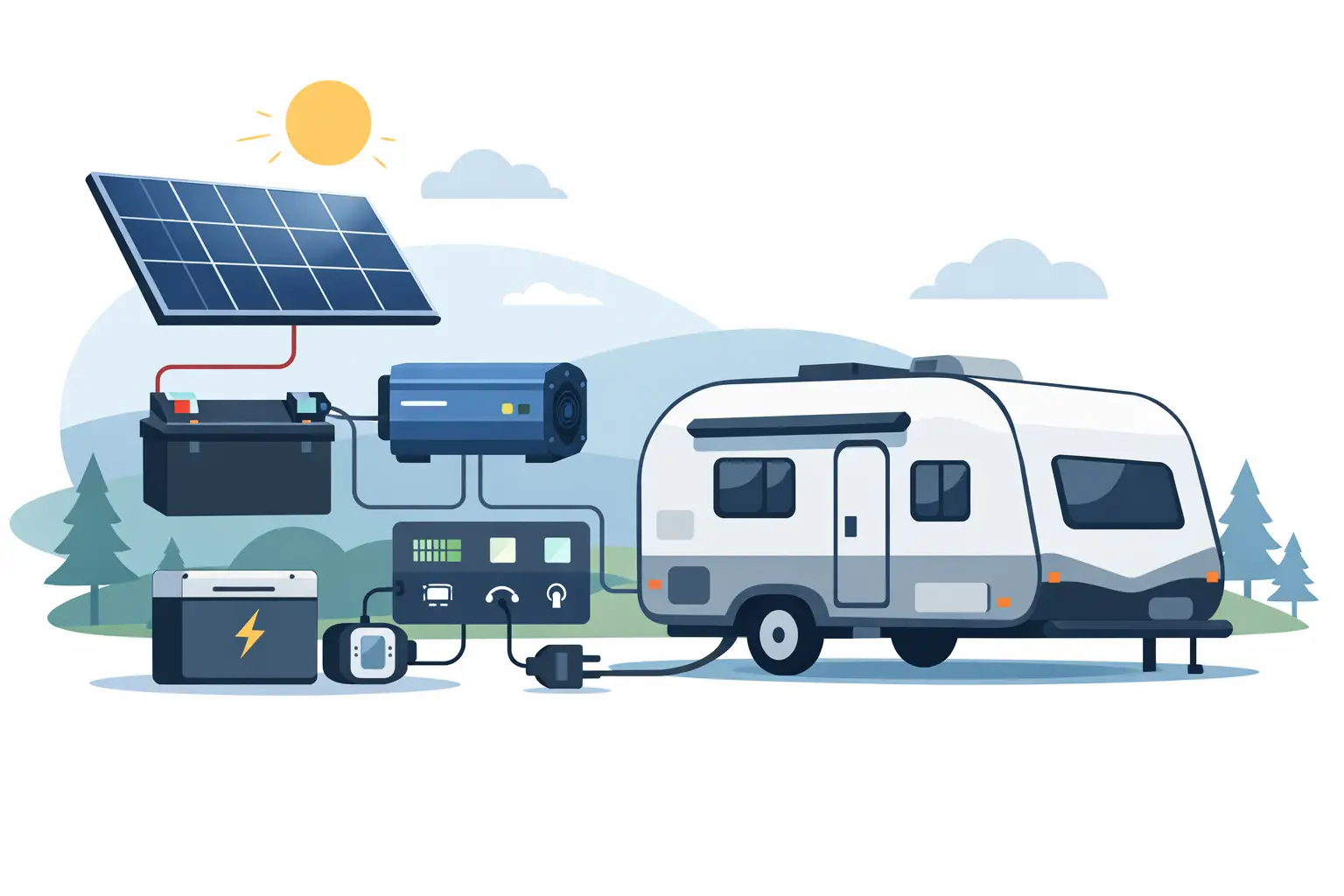
12v Power System for Caravan Explained
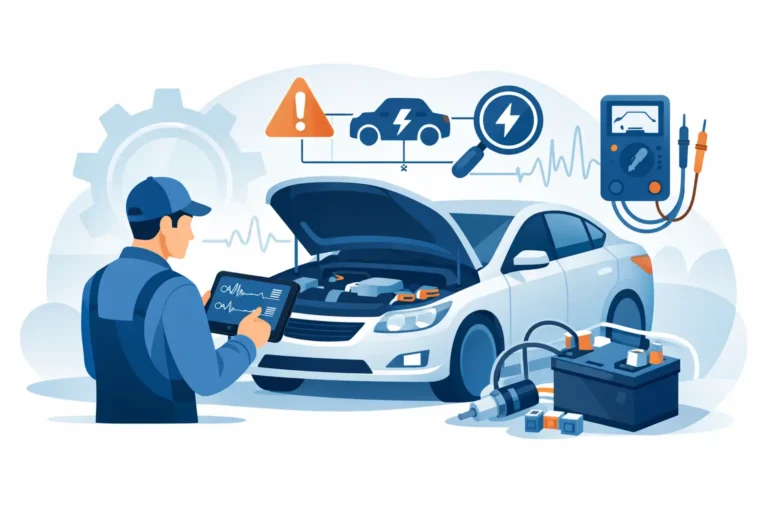
That first night off-grid usually tells you whether your setup is working or just getting by. If the lights dim, the fridge starts beeping, or the battery monitor drops faster than expected, your 12v power system for caravan use probably needs more than a quick fix. A reliable system is not about adding the biggest battery you can afford. It is about matching the battery, charging sources, wiring, and loads so everything works together properly.
For most caravan owners, the goal is simple. You want dependable power for the essentials, enough reserve for bad weather or a longer stop, and a system that does not leave you guessing what is safe to run. That is where good design matters.
What a 12v power system for caravan setups actually does
A caravan 12V system stores power, distributes it safely, and replenishes it from one or more charging sources. In practical terms, it runs things like lights, water pumps, fans, USB outlets, fridges, diesel heaters, and control panels. If you add an inverter, it can also supply 120V power for selected household appliances.
The mistake many people make is thinking of it as just a battery and a solar panel. In reality, the performance of the whole system depends on several parts working together. The battery capacity affects how long you can stay off-grid. The charger type affects how quickly and safely the battery recovers. The wiring and protection affect efficiency and safety. Even small details, like voltage drop in a cable run, can make gear perform poorly.
The core parts of a caravan 12V system
At the center is the battery bank. This is your stored power, and for modern caravans, lithium has become the preferred option in many cases. It gives you more usable capacity, charges faster, and weighs less than AGM. That said, AGM still suits some owners, especially those with lighter power demands or a tighter budget. The trade-off is that AGM typically offers less usable capacity for the size and takes longer to recharge.
Next comes charging. A caravan may charge from roof solar, a vehicle alternator through a DC-DC charger, mains power through a 120V charger, or a generator-fed charger when required. The right mix depends on how you travel. If you move every day, alternator charging may do a lot of the work. If you stay parked for several days, solar becomes far more important.
You also need proper power distribution. That means fuses or circuit protection, quality cabling, busbars, isolators, and a clean layout that is easy to service later. This side of the system is not exciting, but it makes the difference between a tidy, dependable setup and one that causes intermittent faults.
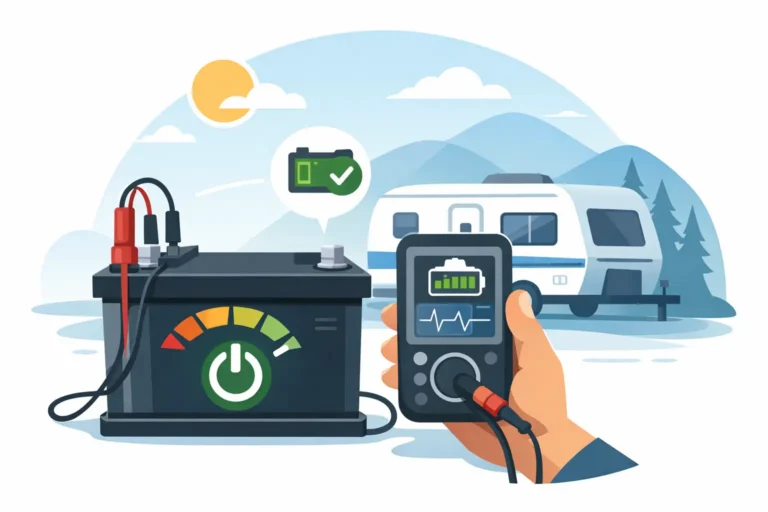
Then there is monitoring. A battery monitor gives you a much clearer picture than a basic voltage reading. Voltage alone can be misleading, especially with lithium batteries. A proper monitor tells you current draw, charge rate, battery state, and how your system is behaving over time.
Battery sizing comes down to how you camp
The right battery size depends less on caravan size and more on how you use it. A couple running lights, water pump, phone charging, and a compressor fridge will have very different needs from a family using fans, a diesel heater, multiple device chargers, a coffee machine through an inverter, and longer stays in one spot.
A good starting point is to look at daily power consumption, not just battery size. If your loads add up to 80 amp-hours per day and you want two days of reserve without charging, your battery capacity needs to support that comfortably. With lithium, most of the rated capacity is usable. With AGM, the usable portion is lower if you want good battery life.
This is why bigger is not always smarter, but undersizing definitely causes frustration. An oversized battery can add cost you may never need. An undersized battery usually means more generator time, reduced appliance use, and battery stress.
Solar is valuable, but only when it is sized properly
Solar is often treated as the magic answer, but panel wattage alone does not tell the full story. Shading, panel angle, regulator quality, weather, and the time of year all affect output. A caravan with modest daily loads may do very well with a sensible roof solar setup. Another caravan with heavier loads may still need alternator charging or shore power support.
The regulator matters too. A quality MPPT controller generally makes better use of available solar than a cheaper PWM unit, especially when conditions are less than ideal. For caravan owners who depend on solar day after day, that efficiency difference adds up.
The practical way to think about solar is this: it should replace what you use during normal conditions, with enough margin that one poor-weather day does not throw the whole trip off.
Do you need an inverter?
Not every caravan does. If most of your gear is already 12V, adding an inverter just to have one can create extra draw and complexity. But if you need to run selected 120V appliances, an inverter can be worth it.
The key is choosing it around real use, not wishful thinking. Running a laptop charger is very different from running a coffee machine, microwave, or hair dryer. High-draw appliances require substantial battery capacity, correct cable sizing, and often a rethink of how realistic that load is for off-grid camping.
A pure sine wave inverter is usually the right choice for sensitive electronics. It costs more than a modified sine wave unit, but it is the safer option for modern devices.
Wiring quality matters more than most owners expect
A well-designed 12v power system for caravan travel is only as good as its wiring. Undersized cable creates voltage drop, heat, and poor appliance performance. Poorly crimped lugs, cheap fuse holders, and badly planned earths can lead to faults that are frustrating to trace later.
This is one area where a professional install earns its keep. Good wiring is not just about neatness. It affects charging efficiency, battery life, and safety. It also makes future upgrades easier if your travel style changes.
Common mistakes that cause caravan power problems
The most common issue is mismatch. A large lithium battery paired with weak charging, limited solar, or poor cable sizing will never perform as expected. Another regular problem is relying on factory wiring that was only adequate for basic loads, then asking it to support extra appliances.
Owners also get caught out by hidden consumption. Fridges, Wi-Fi devices, TV boosters, water pumps, and inverters on standby can quietly add up across a full day. It is not always the big item causing battery drain. Sometimes it is several small loads running longer than expected.
Battery charging profile is another one. Lithium and AGM need different charging strategies. If chargers are not compatible with the battery chemistry, performance and battery life both suffer.
When a custom setup makes more sense
If your caravan use is predictable and light, a standard package may be enough. But if you free camp regularly, travel in hot weather, carry higher loads, or want confidence in remote areas, a custom system usually gives better results.
That does not always mean more gear. Sometimes it means better-matched gear. A properly sized lithium battery, quality DC-DC charger, MPPT solar controller, and clear battery monitoring can outperform a larger but poorly planned setup.
This is also where a workshop that understands both vehicle charging and off-grid caravan power can make a real difference. The tow vehicle and caravan do not operate in isolation. Charging performance between the two has to be considered as one system.
How to choose the right setup for your caravan
Start with the loads you actually use. Think about fridge type, lighting, water pump use, fans, heater, device charging, and whether you plan to run any 120V appliances. Then think about travel style. Are you moving daily, stopping for weekends, or staying off-grid in one spot for several days at a time?
From there, work backward into battery capacity, charging sources, and inverter requirements. A system that suits a weekend traveler may fall short for extended touring. On the other hand, a full premium install may be unnecessary if your caravan mostly sees powered sites.
If you are unsure, the best approach is to have the system assessed properly before buying parts. At Coastal Cool Air, that usually means looking at how the caravan is used in the real world, checking current charging and wiring performance, and recommending a setup that fits the trip rather than a generic package.
A caravan power system should make travel easier, not turn every stop into a battery management exercise. When the system is sized and installed properly, you stop thinking about power levels and get on with the trip. That is usually the clearest sign the setup is right.