What Causes Flickering Dashboard Lights?
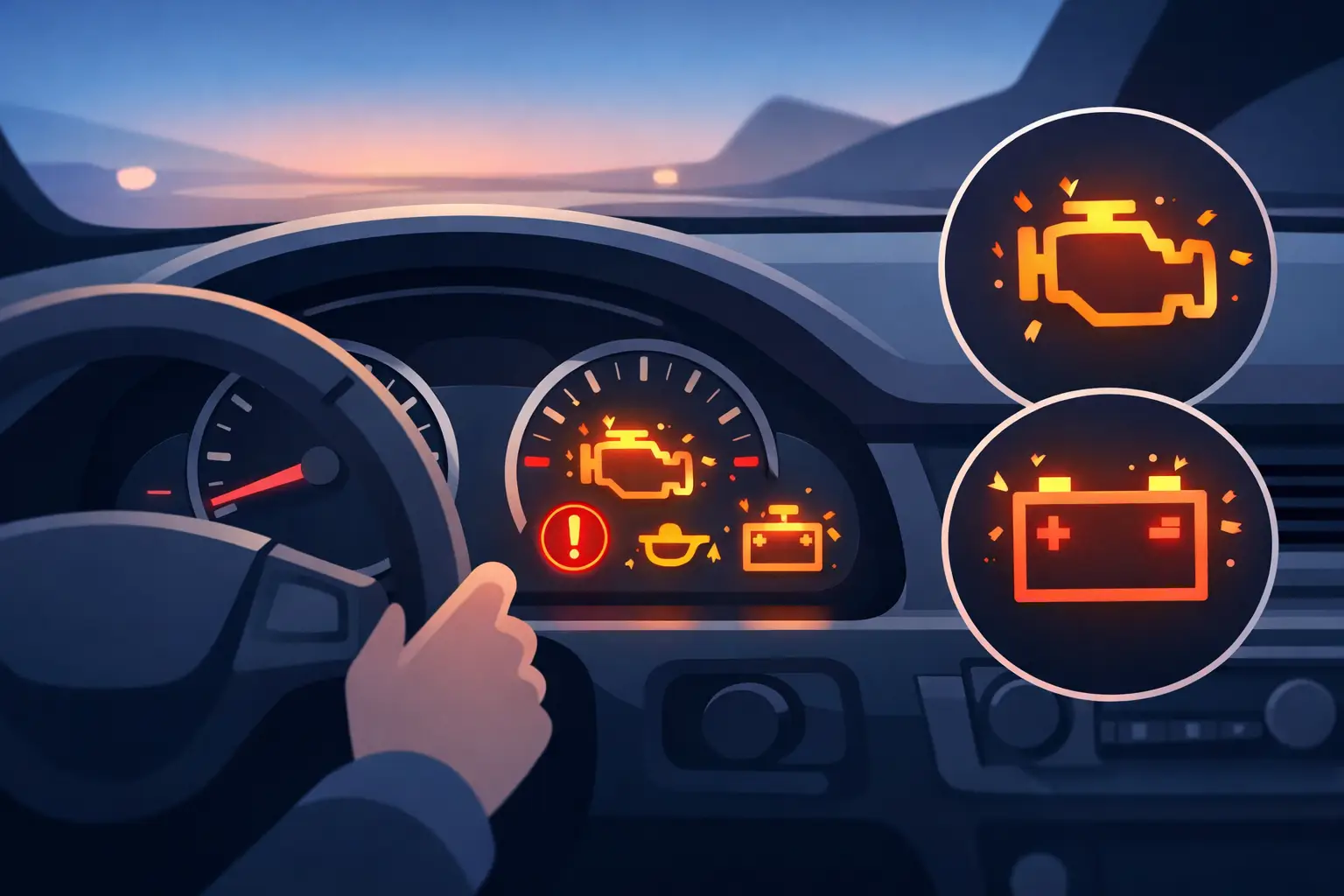
You turn the key, the dash lights up, and instead of a steady glow you get flickering, dimming or lights that seem to pulse with the engine. If you are wondering what causes flickering dashboard lights, the short answer is usually an electrical supply problem – but the exact cause can range from a tired battery to charging faults, poor earths or wiring issues that need proper testing.
A flickering dash is not something to ignore, even if the vehicle still starts and drives. In many cases it is the first sign that voltage is unstable somewhere in the system. Catch it early and the fix can be straightforward. Leave it too long and you can end up stranded, chasing intermittent faults, or dealing with damage to other electrical components.
What causes flickering dashboard lights most often?
In most vehicles, dashboard lights flicker because the voltage feeding the instrument cluster is dropping, spiking or cutting in and out. The dash itself is rarely the first thing to blame. It is usually reacting to a fault elsewhere.
The most common culprits are a weak battery, a faulty alternator, loose or corroded battery terminals, a bad earth, or wiring and connection problems. In newer vehicles, body control modules and other electronic systems can also play a part, but the starting point is still basic electrical testing.
That is why a proper diagnosis matters. Two vehicles can show the same symptom and need completely different repairs.
Battery problems are high on the list
A battery does more than start the engine. It helps stabilise system voltage and supports electrical loads when demand changes. When a battery is ageing, internally damaged or not holding charge properly, the dash can flicker during start-up, at idle, or when accessories switch on.
You might notice it more first thing in the morning, after the vehicle has been parked for a few days, or when headlights, air-conditioning or a blower fan are running. In a 4WD, caravan tow vehicle or camper setup, added accessories can make an existing battery weakness show up sooner.
That does not always mean the battery is the only issue. Sometimes the battery has gone flat because the charging system is underperforming, or because there is a parasitic draw draining it while the vehicle is off.
Signs the battery could be the problem
Slow cranking, intermittent starting, clock resets, radio memory loss and warning lights appearing together all point in that direction. If the dash flicker happens mostly while starting, a weak battery is one of the first things to check.
Alternator faults can make lights pulse while driving
If the dashboard lights flicker after the engine is running, the alternator becomes a strong suspect. The alternator supplies power to the vehicle and charges the battery at the same time. If output is inconsistent, too low, or contaminated with AC ripple from a failing diode, the dash lights may pulse, brighten and dim, or behave strangely under load.
This is a common pattern when lights flicker more at idle and improve as revs rise – although not always. Some alternators fail in ways that only show up when hot, when under heavy load, or only intermittently.
A charging fault can also affect more than the dash. You may notice headlights changing brightness, blower speeds fluctuating, battery warnings, or electronic accessories dropping out.
Loose terminals and bad earths cause plenty of intermittent faults
A surprisingly common answer to what causes flickering dashboard lights is simply poor connection quality. Battery terminals can loosen over time. Corrosion can build up. Earth straps between the battery, body and engine can degrade or partially fail. Even a small increase in resistance can create voltage drop, especially when current demand rises.
These faults are frustrating because they can be intermittent. The vehicle may behave normally in the workshop, then play up again on a rough road, in wet weather or when the engine moves under load.
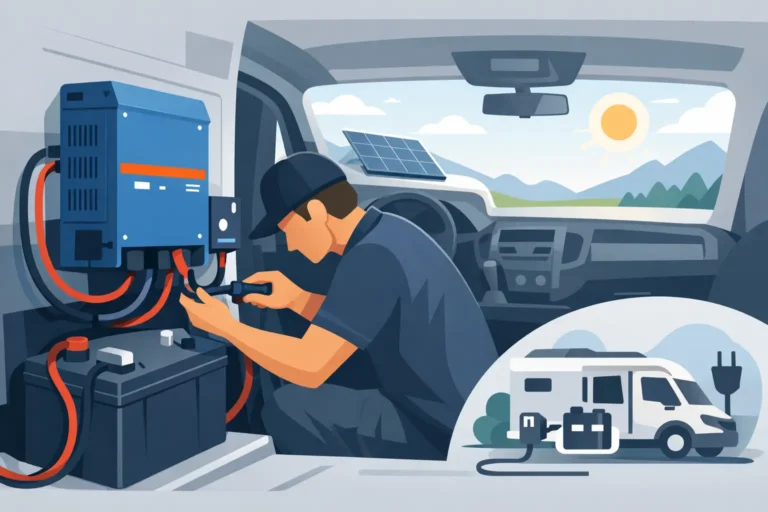
Bad earths are especially common in older vehicles, 4WDs exposed to dust and moisture, and touring setups with added accessories. If a dual battery system, inverter, fridge circuit or other 12V equipment has been installed poorly, that can also introduce grounding and voltage issues.
Why earth faults can be hard to spot
A cable can look fine from the outside and still have corrosion inside the crimp, broken strands or a poor contact point where it bolts to the body. That is why voltage drop testing is often more useful than just a quick visual check.
Wiring issues and damaged connectors
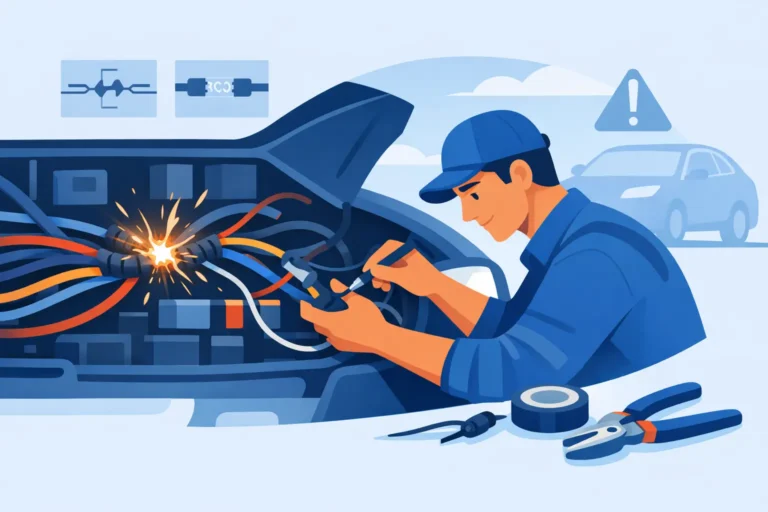
Wiring faults sit further down the list than batteries and alternators, but they do happen. Chafed wires, heat-damaged insulation, water ingress, poor previous repairs and loose plugs behind the dash can all cause flickering.
This is more likely if the symptom is isolated to one section of the dashboard rather than the whole electrical system. For example, if only the cluster flickers but the headlights, interior lights and other accessories remain stable, the problem may be local to the instrument circuit, dimmer control or cluster connector.
Vehicles used for towing, off-road driving or accessory-heavy touring often have extra wiring added over time. If that work has been rushed, overloaded or tied into the wrong circuits, strange dash behaviour can be one of the first signs something is not right.
Dimmer switch and instrument cluster faults do happen
Sometimes the fault is in the part you can actually see. A failing dimmer switch, worn instrument cluster circuit board or internal cluster fault can cause dash lights to flicker independently of the main charging system.
That said, these are usually considered after the battery, alternator and major connections have been tested properly. Replacing a cluster without confirming voltage supply and earth quality is an expensive guess.
On some modern vehicles, cluster behaviour can also be tied into software, control modules and communication networks. When that is the case, scan tool data and electrical test results need to line up before any parts are replaced.
Accessories can tip a marginal system over the edge
For everyday drivers this might show up when the air-conditioning compressor kicks in or when headlights and demister are on together. For touring vehicles, 4WDs and camper setups, the picture can be more complicated.
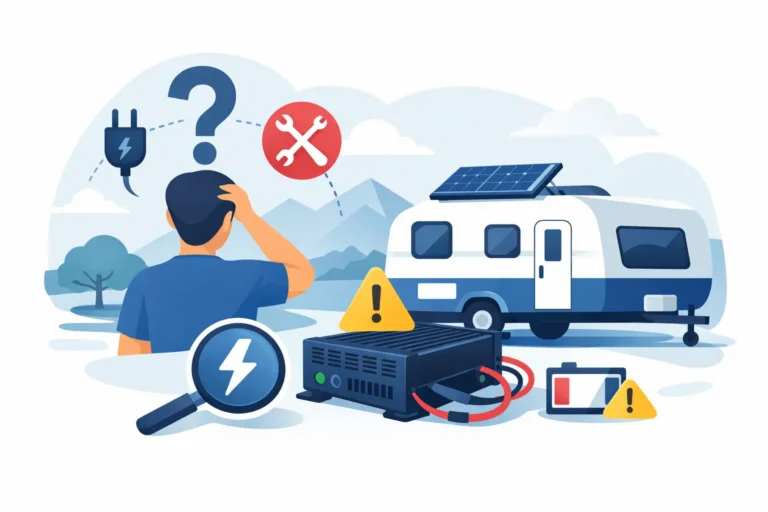
Extra driving lights, fridges, brake controllers, UHF radios, chargers, solar controllers, lithium battery systems and inverters all place demands on the vehicle’s electrical system. A healthy setup should handle that load. A marginal one may start showing flickering lights, low voltage warnings or erratic behaviour once those accessories come into play.
This does not mean accessories are the problem by themselves. It usually means they are exposing an underlying weakness – undersized cabling, poor installation, charging system limits or a battery that is no longer coping.
When flickering dashboard lights are more serious
If the dash flickers once during start-up and everything else is normal, the issue may be relatively minor. If the lights flicker while driving, warning lights appear, the engine cuts out, or the vehicle struggles to start, it should be checked sooner rather than later.
The same goes if you smell hot wiring, notice burning odours, hear relays clicking repeatedly, or find the battery going flat for no clear reason. Those signs point to a fault that can move beyond inconvenience into reliability or safety concerns.
For people heading away with a caravan or camper, this matters even more. Electrical issues rarely improve on their own, and they tend to show up at the wrong time.
How the right diagnosis saves time and money
The tricky part with electrical faults is that symptoms overlap. A failing alternator can mimic a bad battery. A bad earth can mimic both. A parasitic draw can leave the battery weak and make the charging system look suspect. That is why testing needs to be methodical.
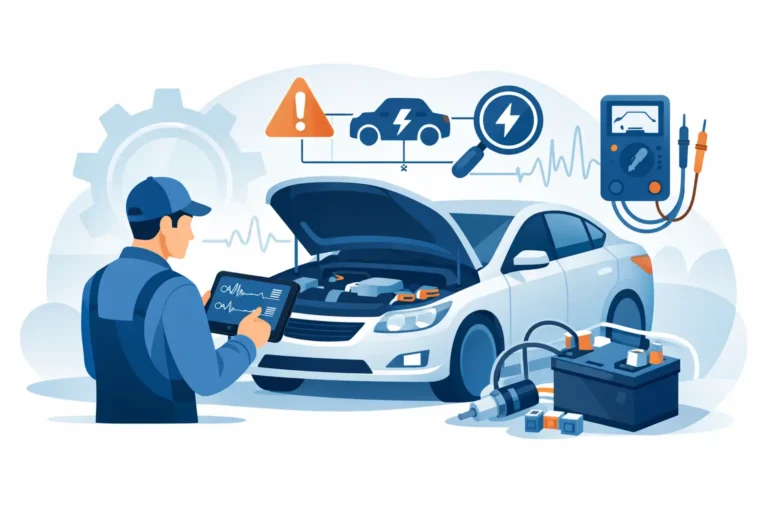
A proper diagnosis usually includes battery condition testing, charging voltage checks, load testing, voltage drop testing on power and earth circuits, and inspection of related wiring and connections. If the vehicle has aftermarket power gear fitted, that should be assessed as part of the system rather than treated separately.
That practical approach is what matters most. You want to know what failed, why it failed, and whether there is anything else contributing to it before repairs go ahead.
What to do if your dashboard lights are flickering
Start with the basics. If the battery terminals are visibly loose or heavily corroded, do not ignore that. If the vehicle is hard to start, avoid repeated attempts that can flatten the battery further. If warning lights come on while driving, limit unnecessary electrical loads and get the vehicle assessed.
What you should not do is assume it is just a globe issue or keep swapping parts in hope. Modern vehicles and accessory-equipped touring rigs can waste a lot of time and money when faults are guessed at instead of tested.
If your vehicle is showing flickering dash lights around the Sunshine Coast, especially if it also has charging issues, accessory problems or dual battery gear involved, it is worth having the electrical system checked properly before it turns into a breakdown. Often the fix is straightforward once the real cause is confirmed.
A steady dashboard is one of those things you barely notice until it is not steady anymore – and when it starts flickering, your vehicle is usually telling you not to leave it for later.