Dual Battery System Installation Done Right
A flat starter battery at camp usually shows up at the worst time – early morning, packed up halfway, coffee still not made. That is why dual battery system installation matters for anyone running a fridge, lights, chargers, a compressor, or camp power from their vehicle. When it is set up properly, you can use your accessories with confidence and still count on the engine to start when it is time to move.
For 4WD owners, tradies, caravan travelers, and campervan users, a second battery is not just an upgrade for convenience. It is protection against being stranded by your own accessories. But not every setup suits every vehicle, and not every install delivers the same result. The difference usually comes down to battery choice, charging method, cable sizing, mounting, and how the system is actually going to be used.
What a dual battery system really does
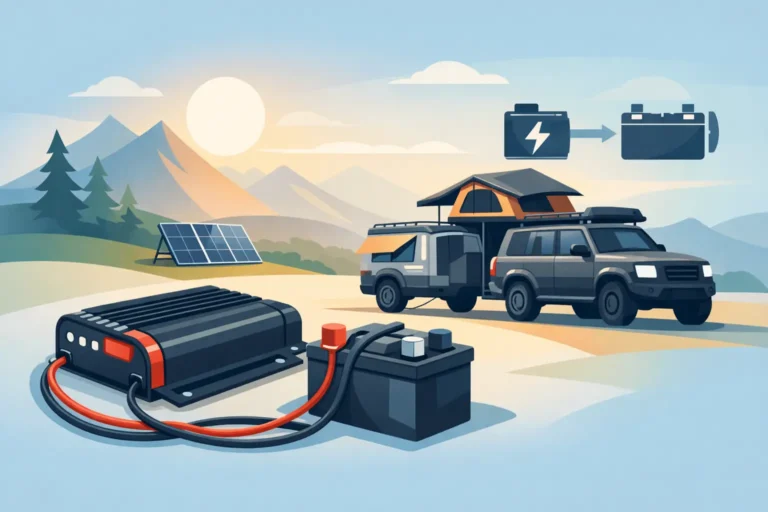
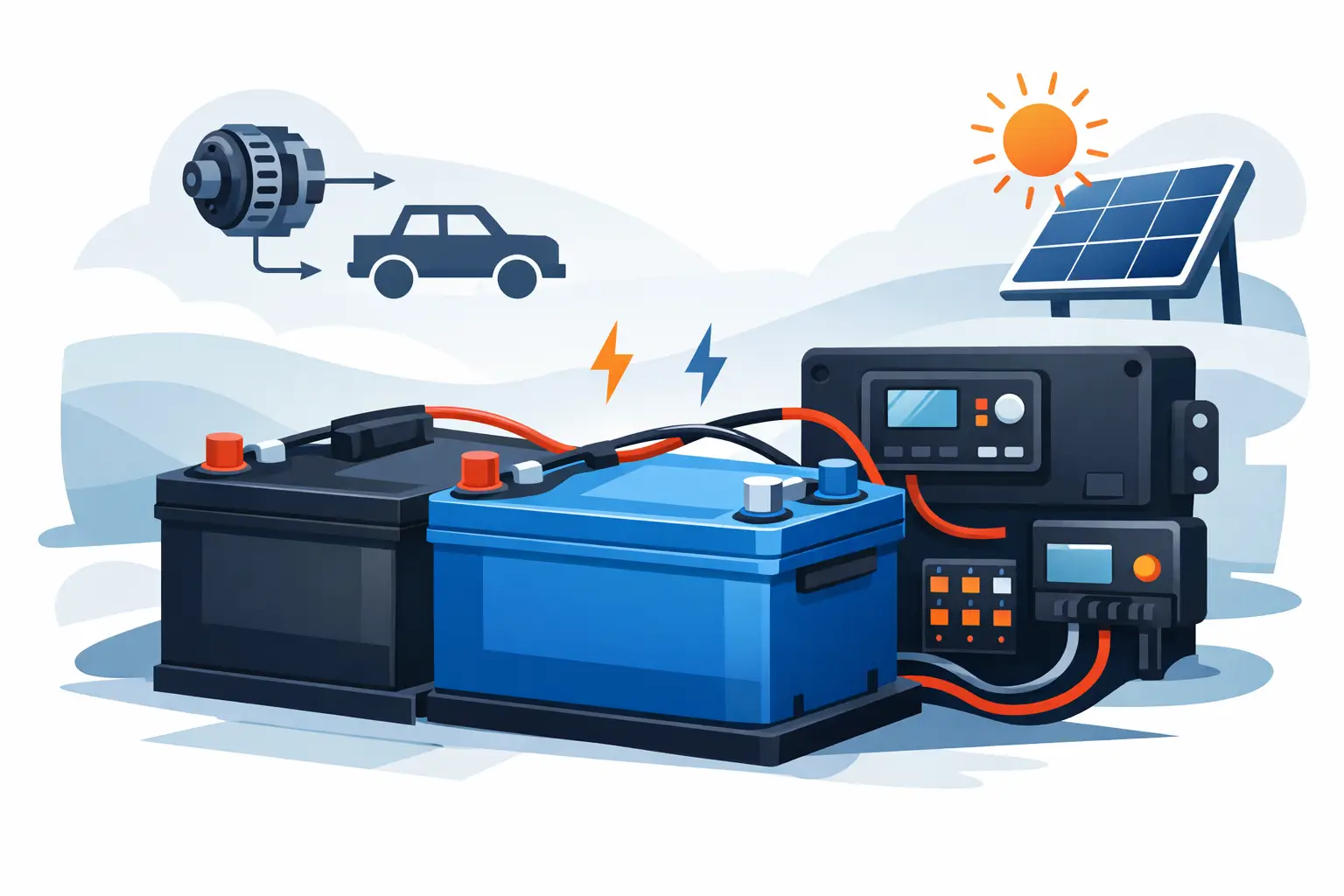
A dual battery system separates your starting power from your accessory power. Your main battery is there to crank the engine and support factory vehicle systems. The auxiliary battery runs the gear you add for work, travel, or camping.
That sounds simple, but the control side matters. A quality system uses an isolator or DC-DC charger so the start battery is protected. Once the engine is running, the system charges the auxiliary battery. When the engine is off, your fridge or lights draw from the second battery instead of flattening the one you need to start the car.
In older vehicles with simpler charging systems, a basic isolator can sometimes do the job. In newer vehicles with smart alternators, that approach often falls short. Voltage can vary too much, charging can be inconsistent, and the second battery may never reach a healthy state of charge. That is where a DC-DC charger becomes the better option.
Dual battery system installation is not one-size-fits-all
The biggest mistake people make is buying parts before working out how they travel. A weekend setup for a ute with a fridge and a few USB chargers is very different from a touring build running a caravan feed, inverter, solar input, and lithium storage.
Battery type is one of the first decisions. AGM batteries are still common because they are proven, straightforward, and often cost less upfront. Lithium batteries are lighter, charge faster, hold voltage better under load, and usually offer more usable capacity. The trade-off is higher purchase cost and the need to match the system correctly. Not every charger, alternator setup, or battery location is suitable without planning.
Battery location also changes the design. Under-hood installs save space, but heat can shorten battery life and limit battery type options. Rear-mounted systems in a canopy, cargo area, camper, or caravan open up more flexibility, though cable runs become longer and voltage drop needs to be managed properly.
Then there is how much power you really use. A fridge alone is one thing. Add work lights, device charging, cameras, a diesel heater, compressor, and inverter, and the load changes fast. A good installer will ask what you run, how long you stay parked, whether solar is part of the plan, and how often the vehicle is driven between stops.
The parts that make or break the system
A reliable dual battery system installation depends on more than just fitting a second battery and calling it done. The small details are what decide whether the system performs well six months from now.
Charging equipment is a major one. A DC-DC charger helps deliver the right charging profile to the auxiliary battery, especially in modern vehicles. If solar is part of the setup, some chargers can manage vehicle and solar input together, which keeps the system cleaner and easier to use.
Cable sizing matters more than many people expect. Undersized cable creates voltage drop, slower charging, excess heat, and poor accessory performance. Fusing is just as important. Proper circuit protection helps protect the vehicle and the installed equipment if there is a fault.
Mounting and ventilation deserve attention too. A battery that is loosely mounted or installed in a poor location can become a safety risk on rough tracks. Good bracketry, secure fixings, and tidy cable routing are not cosmetic extras. They are part of a professional install.
A quality setup may also include a fuse box, Anderson plugs, battery monitoring, solar input, low-voltage protection, and inverter integration. Not everyone needs all of that, but it is worth planning ahead if future upgrades are likely. It is usually cheaper and cleaner to build with expansion in mind than to rework the system later.
DIY versus professional installation
There are plenty of dual battery kits on the market, and some are fine for confident hands-on owners. If you understand current draw, cable sizing, fuse placement, battery chemistry, and vehicle charging behavior, a DIY install can work.
But this is also one of those jobs where hidden problems are common. We see systems with poor earths, chargers mounted in hot engine bays without thought to airflow, mixed battery types, loose connections, and cable runs that are too small for the load. Some setups appear to work at first, then deliver poor charging, dead batteries, fridge cut-outs, or electrical faults down the line.
Professional installation is less about adding complexity and more about removing guesswork. The right technician will assess the vehicle, explain the options, match the components to your usage, and install it in a way that is safe, serviceable, and dependable. That matters even more if the system also needs to support solar, caravan charging, inverters, or a custom lithium setup.
What to expect from a proper setup
A well-planned system should feel simple in day-to-day use. Your accessories run from the auxiliary battery. Your starting battery stays protected. Charging happens automatically while driving, and if solar is fitted, it helps maintain the battery when parked.
You should also know what your system can and cannot do. No battery setup is unlimited. A 100Ah battery running a compressor fridge and charging a few phones is realistic. The same battery running a large inverter, coffee machine, and multiple appliances is a different story. Honest advice matters here. Overselling battery performance helps nobody.
Monitoring is useful because it shows what is really happening. Voltage readings alone only tell part of the story, especially with lithium. A proper battery monitor can give a clearer picture of charge status, current draw, and charging behavior, which helps avoid surprises on longer trips.
Common problems after dual battery system installation
Most issues come back to a few basics. The battery may be too small for the load. The charger may not suit the vehicle. Cable runs may be undersized. Solar may be insufficient for the time spent parked. Or the battery may simply be in the wrong location for heat and vibration.
Parasitic draw is another issue that catches people out. Extra gear like brake controllers, cameras, phone boosters, and aftermarket accessories can create small ongoing drains. On paper they look minor, but over time they add up.
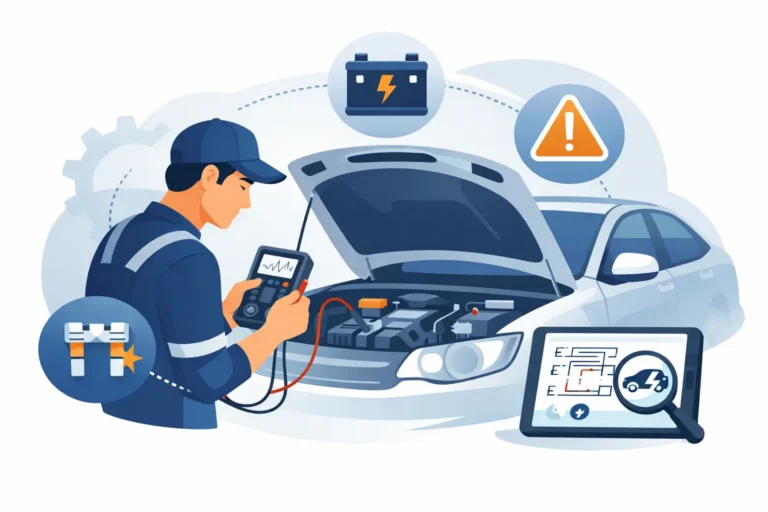
Sometimes the problem is not the dual battery system at all. If the alternator is weak, the start battery is aging, or there is an existing electrical fault, the second battery setup can end up blamed for symptoms it did not cause. That is why real diagnostics matter. Adding new parts without checking the health of the base vehicle often leads to frustration.
Choosing a setup that fits how you travel
The best system is the one that suits your actual use, not the most expensive one on the shelf. If you do short trips and mostly want to keep a fridge alive between campsites, a modest AGM setup may be enough. If you spend days off-grid, rely on solar, or want fast recovery charging, lithium with a quality charger often makes more sense.
If you tow a caravan or run a canopy fit-out, integration becomes more important. You may need charge feeds to the trailer, solar regulation, inverter protection, and a layout that makes servicing easier later. Premium brands like Redarc and Victron are popular for a reason – they offer strong control, reliability, and upgrade paths when the system is designed properly.
For customers who want something tailored rather than generic, a workshop that understands both automotive diagnostics and off-grid power has a real advantage. Coastal Cool Air works with that kind of practical mindset: assess the vehicle, explain the findings, and build a solution around how the owner actually uses it.
A good dual battery setup should make travel easier, not give you another system to worry about. If the install is planned properly from the start, you get reliable power where you need it and confidence every time you turn the key.