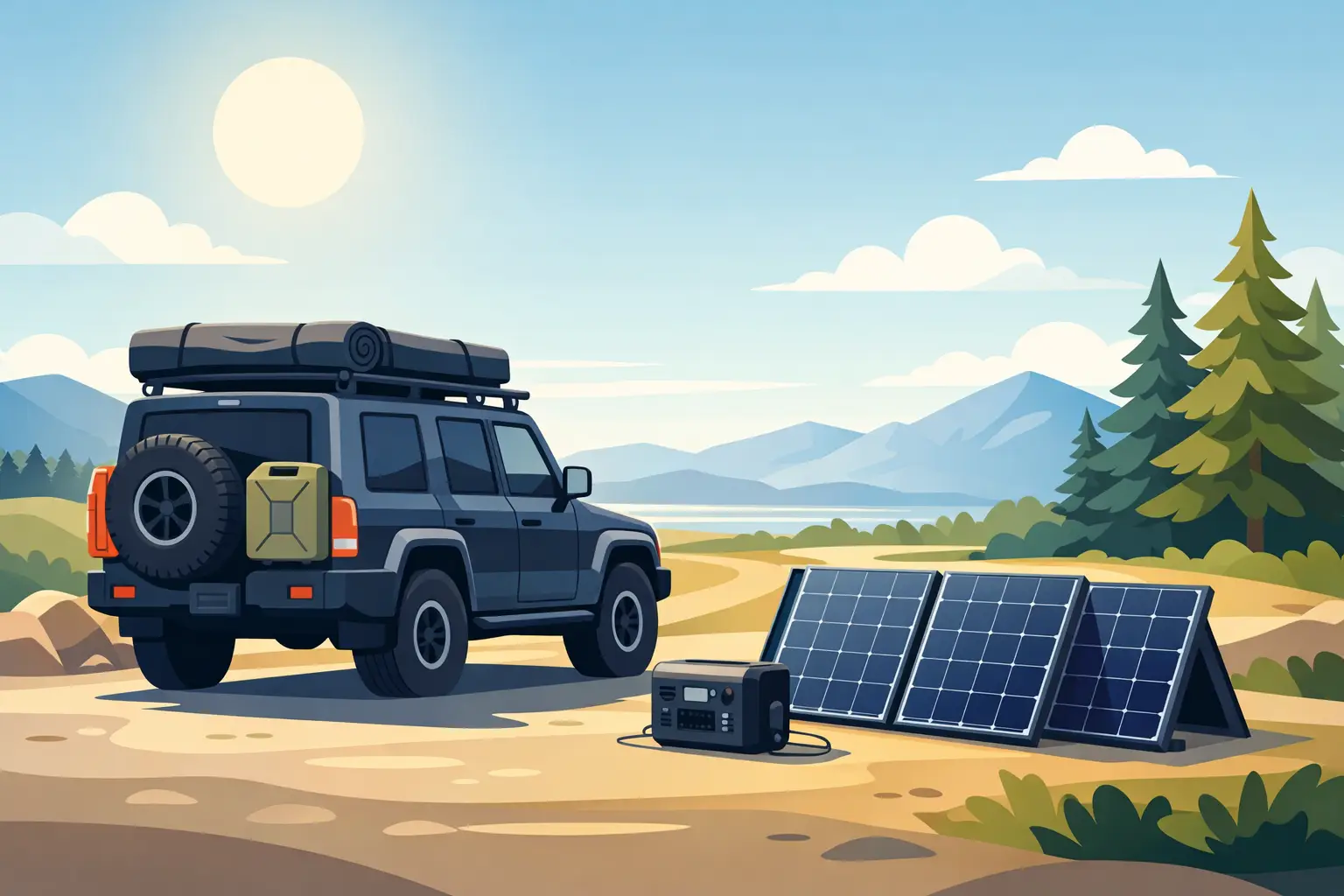
Best 4WD Solar Panel Options for Touring
You usually find out whether your solar setup is any good on day two of a trip – when the fridge has been running overnight, the weather has turned average, and everyone still wants lights, device charging and cold food. That is why choosing the best 4wd solar panel options is less about chasing the biggest wattage on the box and more about matching the panel to the way you actually travel.
For some owners, a simple folding panel and a quality regulator is more than enough. For others, especially those running a lithium battery, fridge, inverter and extra accessories, a fixed roof panel backed by a proper DC-DC charger and solar input makes more sense. The right answer depends on your battery capacity, how often you move, where you camp, and how much space you have on the vehicle.
What makes the best 4WD solar panel options?
The short version is reliability, usable output and compatibility with the rest of your 12V system. A panel can look great on paper and still disappoint in the real world if it is poorly built, awkward to deploy or paired with the wrong charging gear.
A good 4WD solar setup should handle vibration, heat, dust and the occasional rough campsite without becoming a constant maintenance item. It also needs to work properly with your battery chemistry. AGM and lithium batteries charge differently, and that matters when you are trying to get the most out of limited sunlight.
There is also the question of daily habit. If you move every day, roof-mounted solar can quietly top up the auxiliary battery without much effort. If you stay put for two or three nights, portable panels are often more effective because you can park in the shade and place the panel in the sun.
Fixed solar panels for 4WDs
Fixed panels suit people who want a set-and-forget system. Mounted on a roof rack, canopy or caravan roof, they provide charging whenever the sun is out, with no unpacking or repositioning required. That convenience is their biggest advantage.
They are particularly useful for touring vehicles that cover ground most days and run a fridge full-time. Even a modest fixed array can help offset fridge draw, keep the battery healthier and reduce how hard the alternator needs to work to catch up later.
The trade-off is angle and shading. A flat-mounted panel is rarely sitting at the ideal angle to the sun, and even a small shadow from roof racks, awnings or recovery gear can knock output down more than people expect. You also give up some roof space, which matters on smaller wagons where every bit of rack area is already spoken for.
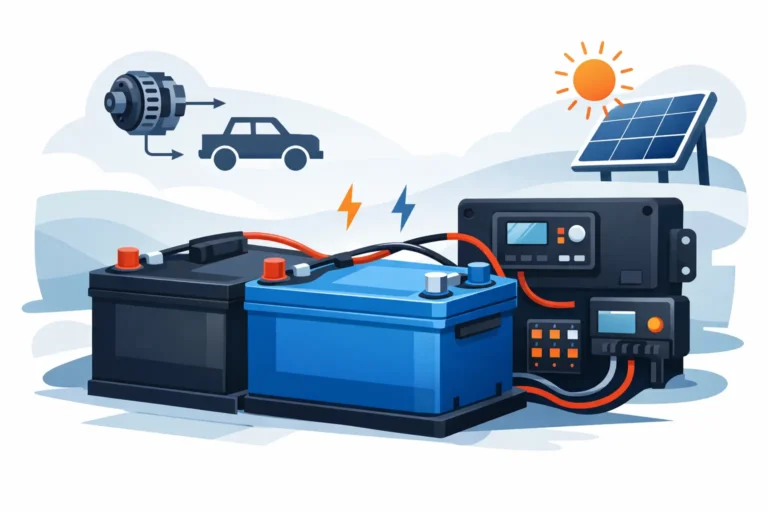
For many setups, fixed solar works best as part of a broader charging strategy rather than as the only source. Paired with a quality DC-DC charger from brands such as Redarc or Victron Energy, it becomes a dependable background charger rather than something you need to think about all day.
Portable folding panels
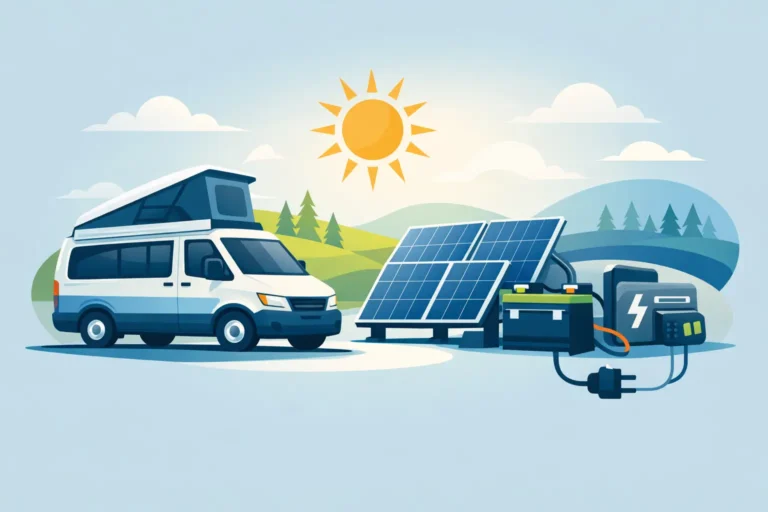
Portable folding panels are often the most practical choice for campers who stop in one place for a while. You can leave the 4WD, ute or camper in the shade and run the panel out into full sun, which immediately improves real charging performance in hot Australian conditions.
They are also flexible. If you upgrade your vehicle later, the panel can come with you. If you help out a mate with a flat auxiliary battery at camp, a portable panel can be moved where it is needed. For owners who are still working out their ideal setup, that flexibility is valuable.
The downside is handling and storage. Folding panels need to be packed, carried, cleaned and set up each time. Leads can get damaged, connectors can be left in the weather, and if the panel is not secured properly there is always some theft or wind risk. They are convenient in the right scenario, but not carefree.
A good quality folding panel with a proper regulator can be one of the best 4wd solar panel options for weekenders and touring families who camp for a few days at a time.
Blanket solar panels
Solar blankets sit somewhere between fixed and folding panels. They are light, pack down smaller than framed folding panels and can be spread over the ground or draped across a vehicle or camp surface. That makes them attractive when storage room is tight.
They can work well for compact setups, especially in wagons and smaller camper trailers where every kilo matters. The lighter weight also makes them easier to move through the day if you are chasing the sun.
But there are trade-offs. Blankets are generally less protected than framed panels, can be more vulnerable to wear, and often do not inspire the same confidence over years of rough touring. They can be a smart option for occasional use or lightweight travel, though most heavy-use tourers still lean towards framed portable panels or a solid fixed install.
How much solar do you actually need?
This is where plenty of people either overspend or come up short. Solar panel size should be based on daily power use, not guesswork. A single fridge might use far less power than people expect in mild weather, then much more in summer heat. Add camp lighting, phone charging, a compressor, camera batteries or a coffee machine through an inverter, and the numbers change quickly.
As a rough guide, a smaller touring setup with a fridge and basic charging needs might be comfortable with around 120W to 200W of solar if conditions are decent. A more power-hungry setup, especially one supporting a larger lithium battery bank, may need 200W to 300W or more to stay genuinely self-sufficient.
Weather matters too. On the Sunshine Coast and through the hinterland, you can get strong solar conditions, but cloud, tree cover and campsite orientation still affect output. If your calculations only work on perfect sunny days, the system is probably too small.
Panel quality matters more than brochure claims
Not all solar panels are built the same. Better panels tend to have stronger frames, better cell quality, more durable junction boxes and wiring that is up to sustained outdoor use. Those details matter when the panel lives in the back of a 4WD, gets bounced along corrugations and spends days in heat and dust.
Cheap panels often look fine at first glance, but lower real-world output and shorter service life are common complaints. The same applies to low-grade regulators. A poor regulator can leave solar performance well below what the panel itself is capable of producing.
That is why it pays to look at the whole system rather than just the panel wattage. The wiring, connectors, regulator, battery type and charger settings all affect what you actually get back into the battery.
Don’t forget the regulator and battery setup
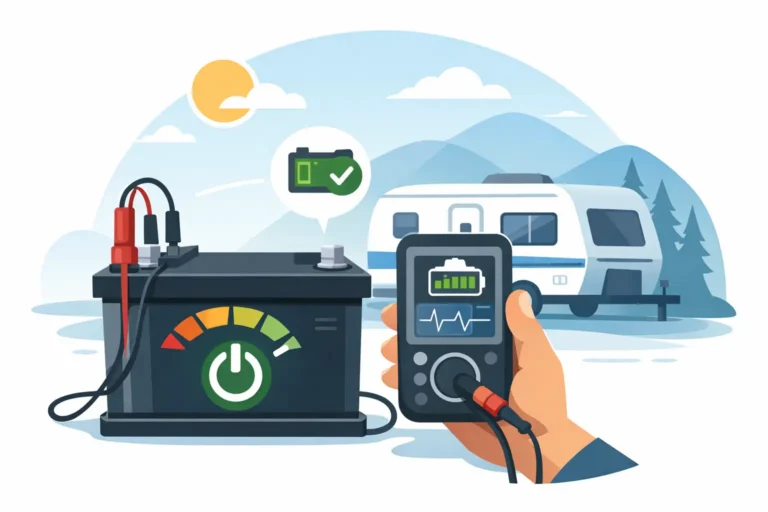
A solar panel is only one part of the job. If you are charging a modern dual battery or lithium setup, the charging system has to be configured correctly. This is where many DIY setups come unstuck.
MPPT regulators are generally the better choice for 4WD solar because they are more efficient than basic PWM units, especially when conditions are less than ideal. They can make a noticeable difference in charging performance, particularly with larger panels or cooler morning conditions.
Battery chemistry matters just as much. AGM can still suit some touring vehicles, but lithium is now the better fit for plenty of off-grid setups because it accepts charge faster, offers more usable capacity and drops less voltage under load. If you are investing in solar, it makes sense to make sure the battery system can take advantage of it.
Choosing the best option for your style of travel
If you are a regular mover doing road-based touring, fixed rooftop solar is hard to beat for convenience. It quietly works in the background and keeps the setup simple. If you spend several nights in one spot, portable folding panels usually give better charging flexibility and better use of available sun.
If you are short on storage space and only use solar occasionally, a blanket panel can be worth considering, as long as you are realistic about durability. And if you are running a serious off-grid build with lithium, fridge, inverter and longer stays, a combination of fixed and portable solar can be the best answer.
There is no single winner for every vehicle. The best system is the one that matches your battery capacity, travel pattern and power habits without becoming a hassle to use.
For plenty of 4WD owners, the smartest move is to plan the whole power system first, then choose the solar panel around it. That approach usually saves money, avoids charging issues and gives you a setup that actually works when you are well away from home. If your current system feels like it is always just keeping up, that is usually a sign the answer is not just more panel – it is better system design.