
How to Test Car Aircon Compressor
When the air con starts blowing warm on a hot day, the compressor is usually the first thing people blame. Fair enough – it is the heart of the system. But if you want to know how to test car aircon compressor faults properly, you need to separate a failed compressor from low refrigerant, an electrical issue, a pressure switch problem, or a clutch fault. Guessing can get expensive fast.
A good test starts with what the system is actually doing. Does the compressor clutch click in and out? Does the engine idle change when the air con is switched on? Are the pipes getting cold, or staying the same temperature? Those details matter, because a compressor can look dead when the real problem sits elsewhere in the circuit.
What the compressor is supposed to do
Your car air-conditioning compressor pressurises refrigerant and keeps it moving through the system. Without that pressure difference, you do not get proper cooling through the evaporator. In many vehicles, the compressor is driven by the engine belt and engages through an electromagnetic clutch. In others, especially newer models, it may be a variable displacement unit or use a control valve rather than the old-style on-off clutch behaviour.
That matters because testing changes depending on the setup. On an older ute or 4WD, you might hear the clutch engage clearly. On a newer vehicle, the compressor may be running in a different way, so the signs are less obvious. That is why the first rule is simple – identify the system before you call the compressor faulty.
How to test car aircon compressor without pulling the system apart
Start with a basic visual and operational check. With the engine off, look at the compressor body, pulley and belt. If the belt is loose, cracked or missing, the compressor cannot do its job. If there is obvious oil staining around the compressor nose seal, hose fittings or condenser, refrigerant leakage may be part of the problem.
Now start the engine and switch the air con to full cold with the fan on high. On a clutch-type compressor, listen for a click at the front of the compressor. The outer pulley normally spins all the time with the belt, but the centre hub should engage when the air con is turned on. If the pulley turns but the centre does not, the clutch may not be engaging.
At the same time, pay attention to engine note. A working compressor often puts a slight load on the engine when it cuts in. If nothing changes at all, that can point to a clutch, electrical or control issue. If it cuts in for a second and drops out again, low refrigerant or pressure-related protection could be the cause.
Feel the air from the vents after a minute or two. Then carefully check the air con lines under the bonnet. One line should usually feel noticeably cooler than the other once the system is operating properly. If both lines feel similar and the cabin air stays warm, the compressor may not be pumping, but you still need pressure readings before making that call.
Signs the compressor itself may be faulty
A bad compressor often gives clues before it fails completely. Unusual noise is one of the big ones. Grinding, rattling, squealing or knocking from the compressor area is not normal. A worn bearing can sound different from internal compressor damage, but either way it needs attention before it takes out the belt or spreads contamination through the system.
Another warning sign is clutch trouble. If the clutch plate is burnt, slipping or not pulling in consistently, the compressor may not engage properly even if the internals are still usable. Sometimes the issue is just the clutch coil or clutch gap. Sometimes the compressor has seized and the clutch is taking the punishment.
Poor cooling with correct electrical command is another clue. If the system has power, the clutch engages, refrigerant charge is in range, and pressures still do not respond properly, internal compressor wear becomes more likely. That is where proper manifold gauge testing becomes important.
Pressure testing tells the real story
If you want a proper answer on how to test car aircon compressor performance, pressure readings are the turning point. Static pressure with the engine off gives one piece of the picture. Running high-side and low-side pressures give the rest.
With gauges connected, a healthy system should show a clear change when the compressor operates. The low side should drop and the high side should rise. If the pressures barely move when the compressor is commanded on, the compressor may not be pumping effectively. If both sides equalise too quickly or stay abnormally close together, internal compressor wear or valve failure may be involved.
That said, pressure readings are not something to interpret in isolation. Ambient temperature, condenser airflow, refrigerant charge level and expansion valve behaviour all affect what the numbers mean. A system that is undercharged can mimic compressor failure. A blocked condenser or faulty fan can create poor cooling and odd pressures even with a serviceable compressor.
This is why DIY testing has limits. Gauges can help, but they do not replace experience. Reading them properly matters just as much as connecting them.
Electrical checks matter more than most people think
Quite a few compressors get replaced when the real fault is electrical. Before condemning the unit, check the basics. Is the air con fuse intact? Is the relay working? Is power reaching the compressor clutch connector? Is the earth sound? Has the pressure switch disabled compressor operation because refrigerant is low?
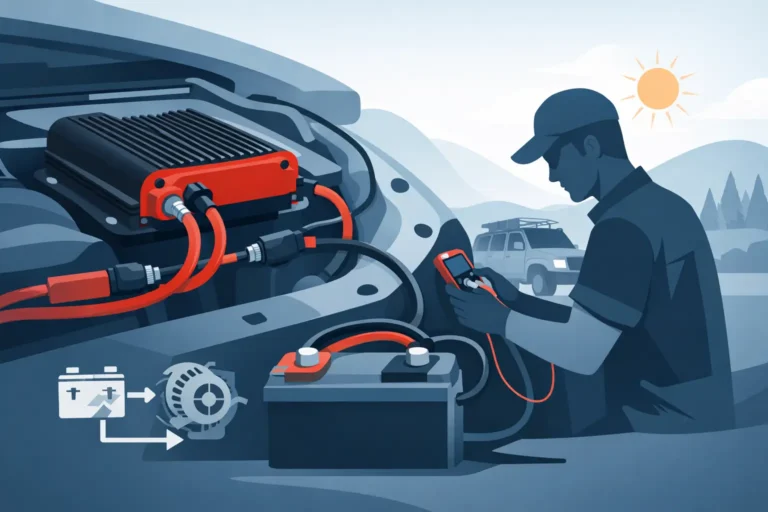
If the clutch is not engaging, use a multimeter to check for voltage at the connector when the air con is switched on. If there is power at the plug but no clutch engagement, the clutch coil may be open circuit or weak. If there is no power at all, the fault may sit upstream in the relay, wiring, control module or pressure safety circuit.
On newer vehicles, scan tool data becomes a big help. You can check requested compressor operation, pressure sensor readings and fault codes rather than chasing wires blindly. Variable compressors can be especially tricky because the compressor may be mechanically driven all the time while output is controlled electronically.
When low refrigerant looks like a dead compressor
This catches a lot of people. A system that is low on refrigerant often will not let the compressor engage, or it may engage briefly and cycle off. That is not the compressor protecting itself by choice – the system is being told not to run because pressure is too low.
If you simply add refrigerant without finding the leak, you are only buying time. If you replace the compressor without fixing the leak, you have spent far more than needed. The right approach is to confirm the charge state, find leaks if present, and then reassess compressor operation.
Oil staining, UV dye traces and pressure loss over time all help tell that story. In workshop conditions, a full leak check and performance test is usually the quickest path to an answer.
When not to keep testing it yourself
If the compressor is making harsh mechanical noise, the clutch is smoking, or the belt is struggling to turn it, stop running the system. A seized or failing compressor can send debris through the air con circuit. Once that happens, the job often gets bigger – compressor, condenser, receiver drier, flushing and sometimes more.
The same goes if you suspect an electrical short or burnt clutch wiring. Keep pushing it and you can turn a manageable repair into a wiring repair as well.
For many drivers, the sensible middle ground is doing the basic checks yourself, then booking a proper diagnostic before replacing parts. That is usually the cheaper move in the long run, especially on modern vehicles where the compressor is only one part of a tightly managed system.
A practical way to think about compressor testing
The compressor is guilty only after the rest of the evidence stacks up. Look for engagement, listen for noise, check for cooling, inspect the belt and visible leaks, and confirm whether the system has the right electrical command and pressure response. If one of those pieces is missing, the answer may not be the compressor at all.
Around the Sunshine Coast, we see plenty of vehicles where owners have been told they need a new compressor, only for testing to show a clutch issue, a low-gas condition, a pressure sensor problem or another fault entirely. That is why clear diagnostics matter. Good testing saves parts, time and frustration.
If your air con has gone warm before a work run, a school pick-up or a trip away with the van, treat the symptoms seriously but do not jump straight to the worst-case scenario. A careful test tells you whether the compressor has actually failed, or whether the system is asking for a different fix.