Why Does My Battery Keep Going Flat in Your Car?
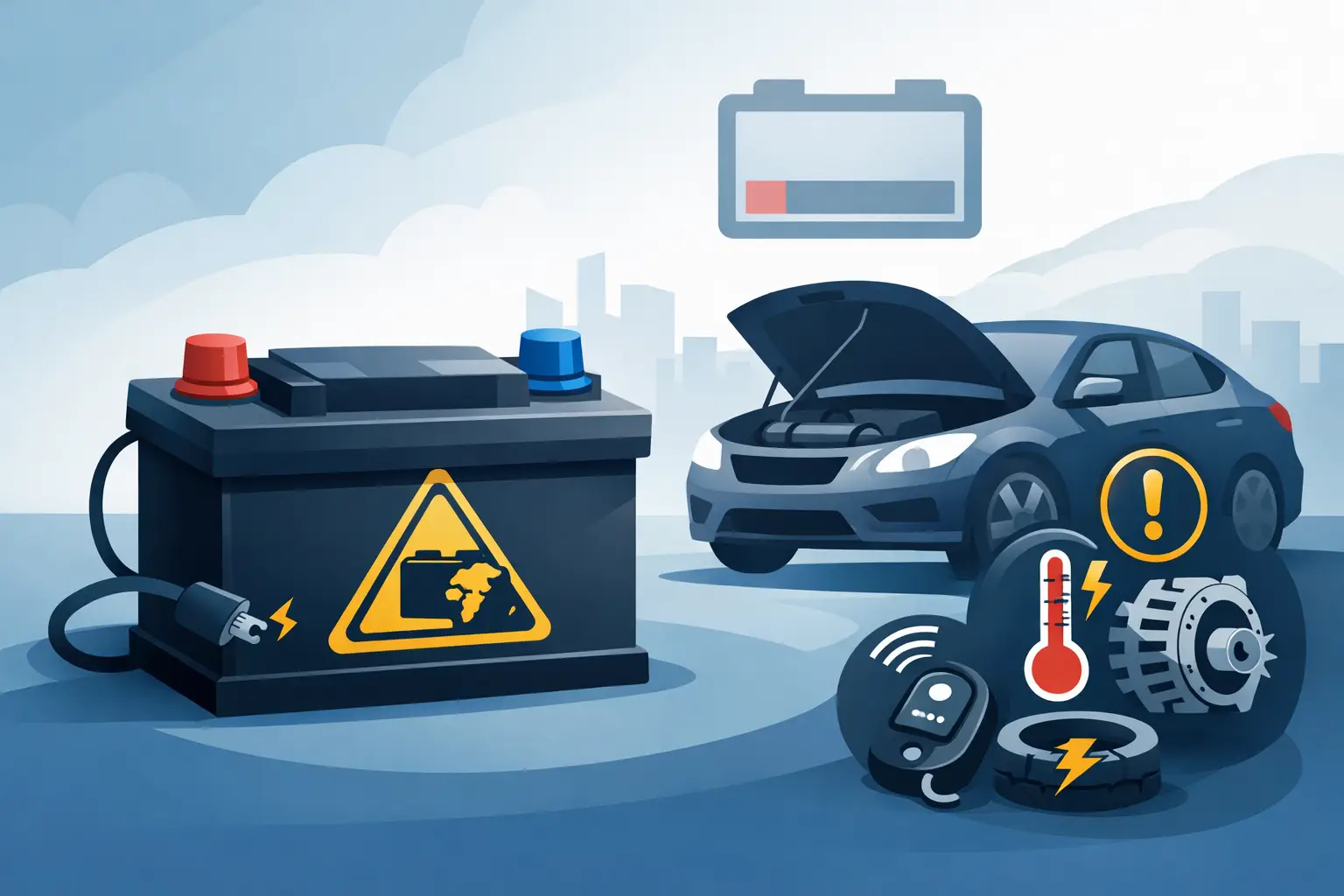
A battery that is flat again after you have charged it or driven the car is more than an inconvenience. It can leave you stranded at work, delay a family trip, or put a stop to a weekend away in the 4WD. If you are asking, “why does my battery keep going flat?”, the answer is usually found in one of three areas: the battery itself, the charging system, or an electrical draw when the vehicle is switched off.
The key is not to keep replacing parts based on a guess. A proper battery and electrical diagnosis identifies where the power is being lost, so the repair actually lasts.
Why does my battery keep going flat?
Vehicle batteries have a limited amount of stored power. The alternator replaces that power while the engine is running, and the vehicle’s electrical systems use it when the engine is off. If the battery cannot hold a charge, is not receiving enough charge, or something is consuming power while parked, it will eventually go flat.
Modern vehicles can make this more complicated. Alarms, smart keys, infotainment systems, dash cameras, tracking devices and aftermarket accessories all use power. Most operate normally with a small standby draw, but a fault, poor installation or module that fails to go to sleep can flatten a battery far quicker than expected.
How quickly it happens is a useful clue. A battery that goes flat after sitting for two weeks may simply be ageing or supporting a small constant draw. One that is flat overnight is more likely to have a significant parasitic drain, an interior light staying on, or a battery that has failed internally.
The battery may be worn out
A conventional lead-acid starter battery generally lasts around three to five years, though heat, short trips, vibration and repeated deep discharging can shorten its life considerably. Sunshine Coast conditions are tough on batteries, particularly where a vehicle spends time parked outdoors in summer.
As a battery ages, its capacity reduces. It may show a reasonable voltage straight after charging but have very little reserve once a load is applied. That is why a voltage check alone does not tell the full story. A load or conductance test gives a better indication of whether the battery can still start the engine reliably.
A swollen battery case, corrosion around the terminals, a sulphur smell, slow cranking or a battery warning light all deserve attention. Also check that the terminals are clean and tight. A loose or corroded connection can prevent proper charging and create starting issues that look like a dead battery.
Your alternator may not be charging correctly
The alternator should recharge the starter battery after the engine starts and provide power for the vehicle’s electrical equipment while driving. If it is undercharging, the battery slowly runs down even though the car is being used regularly.
Common charging-system faults include a worn alternator, voltage regulator issue, slipping belt, damaged wiring, poor earth connection or blown fusible link. In some cases, an alternator can also have a faulty diode that allows current to drain back through it after the engine is switched off.
Short, low-speed trips can add to the problem. Starting an engine takes a substantial burst of power. If the vehicle is only driven for ten minutes at a time, particularly with headlights, air conditioning, demister and accessories running, the alternator may not get enough opportunity to replace what was used. This does not automatically mean the alternator is faulty, but it does mean the battery needs to be healthy and correctly charged.
Smart charging systems need the right approach
Many newer vehicles use smart alternators and battery management systems. Their charging voltage can vary depending on engine load, battery condition and fuel-saving settings. Testing these systems like an older vehicle can lead to the wrong conclusion.
If a battery is replaced in a vehicle with battery monitoring, it may also need to be registered or reset through the vehicle’s system. Otherwise, the charging strategy may not suit the new battery. The correct battery type matters too, especially where the vehicle was designed for an AGM or EFB battery.
A parasitic draw can flatten a good battery
A parasitic draw is electrical current being used while the ignition is off. Every vehicle has some normal standby use for memory functions, clocks, alarms and keyless entry. The problem starts when the draw is higher than it should be or continues after the vehicle should have entered sleep mode.
Possible causes include a glovebox, boot or vanity light that stays on, a faulty door switch, a stuck relay, an aftermarket stereo, dash camera, UHF, electric brake controller, fridge wiring or a charging device plugged into a 12V socket. Water ingress and damaged wiring can cause issues too.
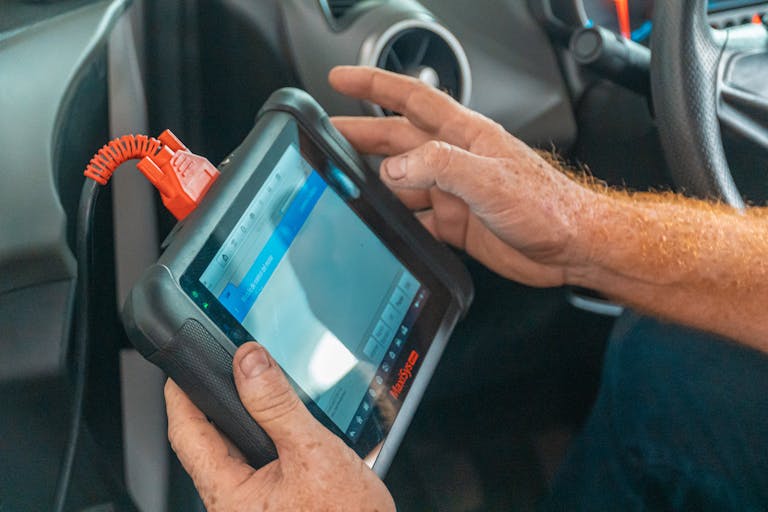
Finding a drain takes more than pulling a few fuses at random. The vehicle needs to be allowed to shut down properly, then its resting current is measured and circuits are tested methodically. Some modules take time to enter sleep mode, while opening a door or waking the keyless system can change readings. This is where an experienced auto electrical diagnosis saves time and unnecessary parts replacement.
Accessories and dual battery systems need to be separated properly
For 4WDs, utes, caravans and campervans, extra electrical gear is often part of the lifestyle. Fridges, camp lighting, inverters, compressors and USB charging are useful, but they should not be relying on the starter battery once camp is set up.
A correctly designed dual battery system isolates the starter battery and directs accessory loads to an auxiliary battery. A DC-DC charger, suitable cabling, circuit protection and an appropriate battery type all play a part. Lithium systems can offer excellent usable capacity and fast charging, but they need compatible charging equipment and sensible installation design.
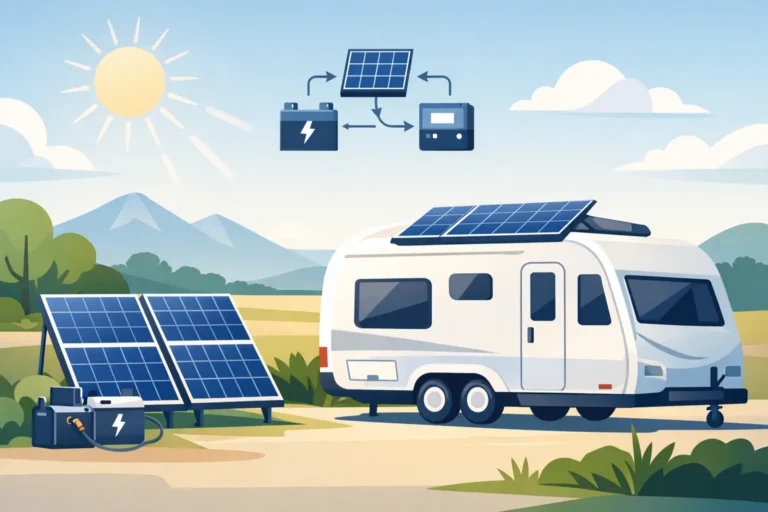
Solar can help maintain an auxiliary battery while travelling or parked, but it is not a cure for a starter-battery fault. Likewise, a battery isolator that is not functioning correctly may leave the two batteries connected, allowing accessories to drain both. If the issue began after fitting new accessories or modifying a canopy, caravan or camper fit-out, those additions should be part of the diagnosis.
Signs that point to the likely fault
The pattern often narrows down where to start. If the engine cranks slowly every morning but starts after a jump-start, suspect a weak battery or overnight draw. If the battery warning light appears while driving, the charging system needs checking promptly.
If the vehicle starts after a long drive but is flat again the next day, a parasitic draw is more likely. If it only happens after weekends away, consider whether fridges, inverters, camp lights or trailer wiring are connected to the wrong battery. And if the issue follows a battery replacement, check that the replacement is the correct specification and that any battery management procedure has been completed.
What you can check before booking in
There are a few simple checks worth making without pulling apart electrical systems. Make sure all interior, boot and canopy lights turn off, remove unnecessary USB chargers and accessories, and look for obvious corrosion or loose battery terminals. If you have a charger, fully charge the battery with the correct charger type and see how it performs over the next day or two.
Avoid repeatedly jump-starting and driving away without finding the cause. Deeply discharging a battery damages it, and repeated jump-starts can mask an underlying charging or electrical fault. Do not disconnect batteries on newer vehicles without understanding the potential effect on security systems, radio settings and vehicle modules.
When professional testing is the sensible move
Book a diagnostic inspection if the battery has gone flat more than once, the vehicle has warning lights, you have added accessories, or you rely on the vehicle for towing and touring. A proper test should assess battery condition, charging voltage and current, voltage drop across cables and earths, and any abnormal key-off current draw.
For vehicles with dual batteries or off-grid power, the inspection should also consider the whole system rather than treating each battery in isolation. Charge sources, solar input, DC-DC charging, battery monitors, isolators and accessory circuits all need to work together.
A flat battery is often the first warning that something in the system is no longer doing its job. Sorting it early means your car starts when you need it to, and your next trip is not decided by whether the battery has enough charge left.