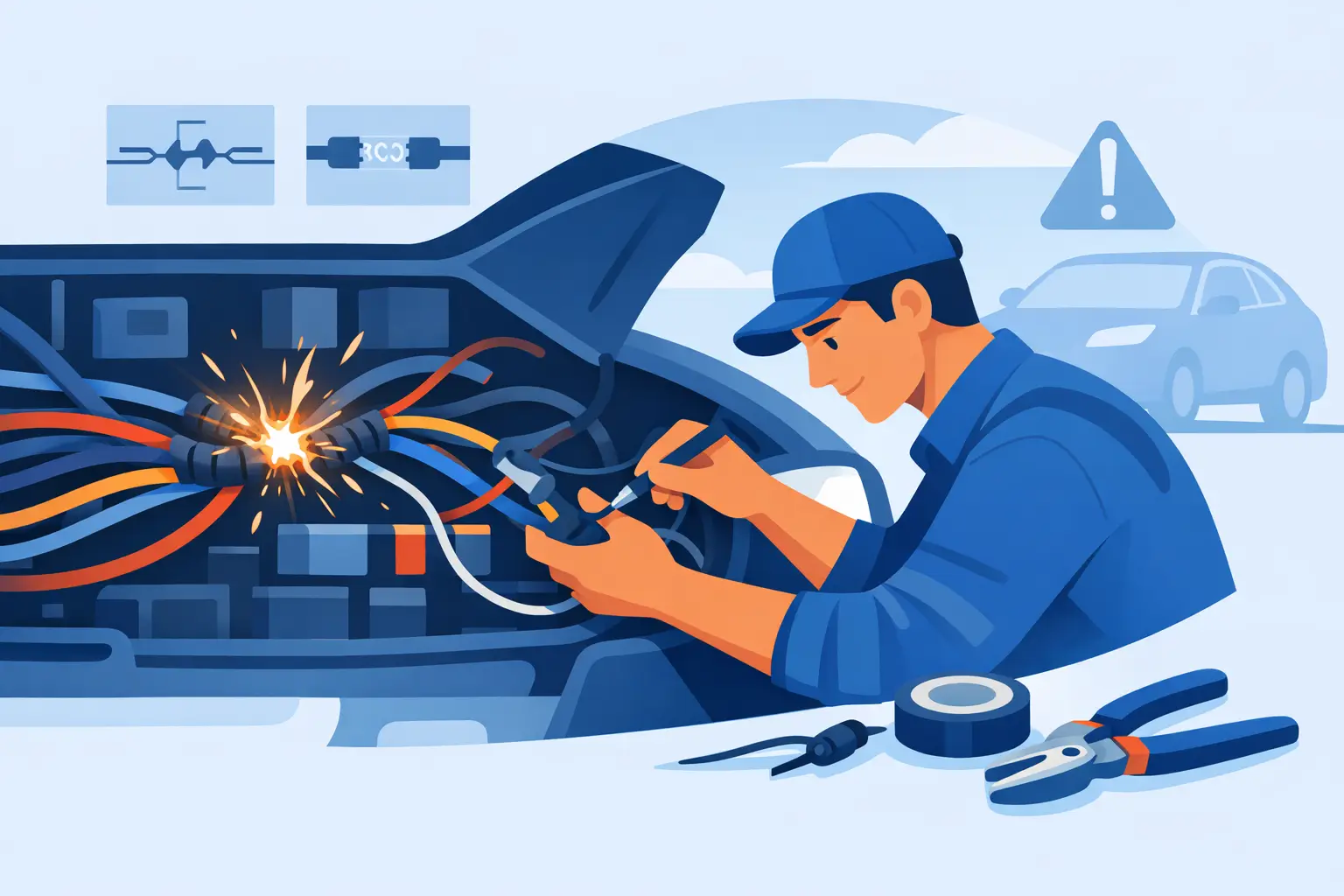
Car Wiring Repair: What Actually Goes Wrong
A vehicle can have a healthy battery, a good alternator and still play up because of one damaged wire, a poor earth, or a connector that has slowly filled with moisture and dust. That is why car wiring repair often starts with symptoms that seem unrelated – an air-conditioner that cuts out, lights that flicker, accessories that stop working, or a battery that goes flat for no obvious reason.
Electrical faults are frustrating because they rarely announce themselves neatly. One day the reverse camera drops out. Next week the trailer plug stops working. Then the dash throws a warning light that disappears before anyone can inspect it. In work utes, 4WDs, caravans and campervans, the problem is often made worse by extra accessories, corrugated roads, heat, salt air and previous repairs that were done quickly rather than properly.
Why car wiring repair is often more than a quick fix
Modern vehicles rely on wiring looms, sensors, relays, modules and control units that all need the right voltage and clean signal paths. A broken wire is the obvious fault, but plenty of issues come from high resistance, corrosion, heat damage or poor aftermarket joins. In practical terms, that means the wire might still look intact while the circuit performs badly under load.
This is where guesswork becomes expensive. Replacing a battery, relay or sensor without confirming the wiring is sound can waste money and leave the original fault untouched. A proper diagnosis checks the whole circuit – power supply, earth, continuity, voltage drop and connector condition – before parts are replaced.
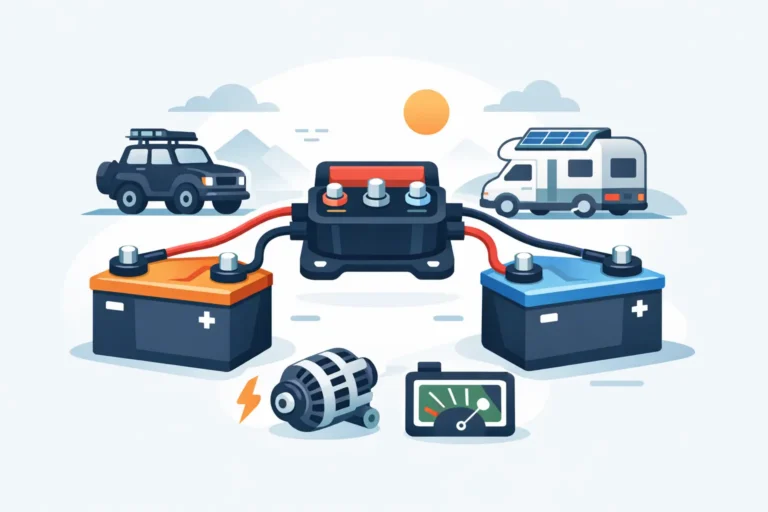
For touring vehicles and off-grid setups, the stakes are higher. A bad join in a dual battery system can affect charging performance. A damaged cable to a fridge, inverter or brake controller can create intermittent faults that only show up on the road. If you rely on your vehicle for work, school runs, towing or weekends away, reliability matters more than a temporary patch.
The most common causes of wiring faults
Heat is a big one. Under-bonnet wiring lives next to engines, turbo plumbing and air-conditioning components, so insulation can go brittle over time. Once that happens, vibration does the rest. Wires rub through, connectors loosen and terminals start to oxidise.
Moisture is another regular culprit, especially around trailers, canopies, caravan plugs, battery trays and engine bay connections. Water does not need much time to create corrosion inside a terminal. You may not see it from the outside, but resistance builds and the circuit becomes unreliable.
Previous modifications also cause trouble. Not all accessory installs are equal. We regularly see add-on lights, stereos, UHF radios, brake controllers and charging systems tapped into existing wiring with poor connectors or undersized cable. They may work at first, but over time those shortcuts create voltage loss, overheating or nuisance faults in nearby circuits.
Rodent damage can also be a factor, particularly in vehicles stored for periods or parked near bushland. Chewed insulation and exposed conductors can cause anything from blown fuses to serious short circuits.
Signs your vehicle may need car wiring repair
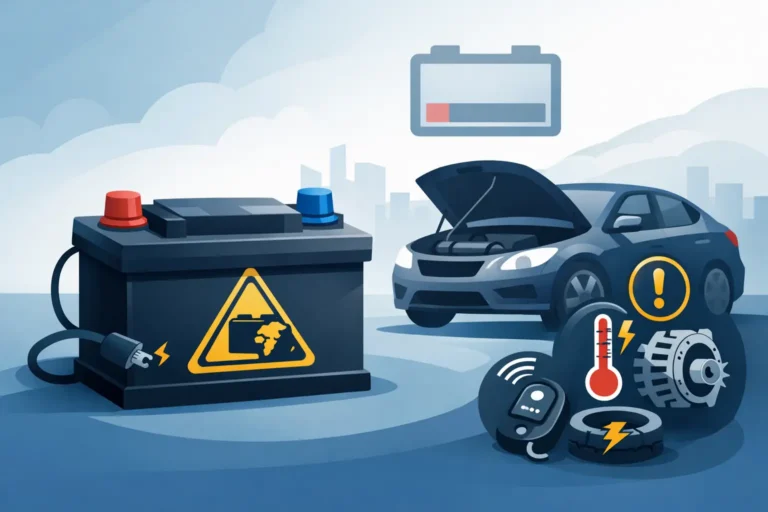
Some symptoms are obvious, while others are easy to dismiss until they become constant. Hard starting, repeated flat batteries, blown fuses, dim lights, intermittent accessories, warning lights and random module faults all point to possible wiring issues. If something works sometimes but not others, wiring should be high on the list.
Burning smells, warm connectors and melted fuse holders need fast attention. Those signs suggest heat build-up from resistance, overload or a poor connection. Leaving that alone can lead to more damage and, in some cases, a safety risk.
For caravan and camper owners, keep an eye on charging that seems slower than usual, fridges that cut out, solar regulators that behave oddly or brake lights that work only when the trailer plug is wiggled. Those faults are often wiring related rather than a failed appliance.
How a proper repair should be approached
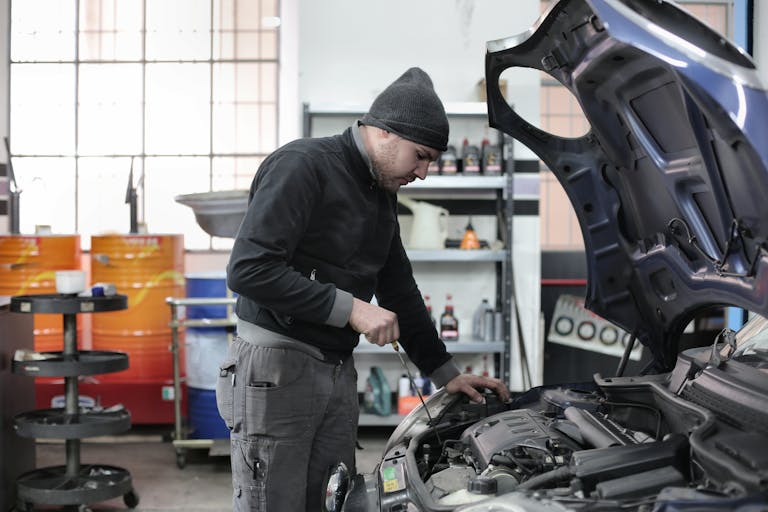
Good electrical work is less about chasing symptoms and more about proving the fault. The first step is understanding when the problem occurs. Does it happen only on rough roads, only when the engine is hot, or only when a certain accessory is switched on? That information helps narrow the circuit quickly.
From there, testing matters more than assumptions. Voltage drop testing can show resistance in a cable or connection that a basic continuity test might miss. Load testing can reveal whether a circuit carries current properly or falls over as soon as the component demands power. Connector inspection is also critical, especially where there are signs of green corrosion, water entry or overheated terminals.
The repair itself should suit the job. Sometimes that means replacing a damaged section of cable with the correct gauge and insulation type. Sometimes it means rebuilding a connector, cleaning an earth point, rerouting a loom to stop chafing, or removing poor previous joins and starting again. In more complex vehicles, it may also involve checking module communication and making sure low-voltage signal circuits are not being disturbed by a bad power or earth fault elsewhere.
A decent repair should leave the circuit reliable, protected and easy to service later. That means proper joins, correct protection, secure mounting and thoughtful routing – not twisted wires wrapped in tape and hidden behind trim.
DIY or workshop job?
There are a few things a capable owner can check safely. Obvious blown fuses, loose battery terminals, visible damage to trailer plugs or badly corroded accessory connections are reasonable starting points. If you have a basic multimeter and know how to use it, checking battery voltage and simple continuity can help identify whether the issue is broad or localised.
But there is a limit. Modern vehicles have sensitive electronics, airbag systems, CAN communication networks and integrated control modules that do not respond well to trial-and-error repairs. Even on older 4WDs, a poor repair can create new faults or leave you stranded later.
As a rule, DIY makes sense for very simple checks. Once the fault is intermittent, hidden in a loom, related to charging performance, or tied into accessories like dual batteries, inverters, fridges or caravan systems, professional diagnosis usually saves time and money.
Wiring repairs in 4WDs, utes and touring setups
Vehicles built for work and travel often carry more electrical load than standard passenger cars. Spotlights, compressors, winches, canopies, fridge feeds, DC chargers, solar inputs and battery monitoring all add complexity. None of that is a problem when it is designed and installed well. Problems start when loads are added one by one without considering cable sizing, circuit protection, earth paths and overall system demand.
That is why wiring faults in touring setups can feel random. A fridge may cut out not because the fridge is faulty, but because voltage at the socket drops too low after a long cable run and a poor join. A lithium battery may underperform because the charge wiring is undersized or the earth return is weak. Trailer charging may look fine at idle but fall away once headlights, fans and other loads are on.
For drivers around the Sunshine Coast who mix daily driving with towing, beach trips and camping, it makes sense to have electrical repairs done with the whole vehicle setup in mind. A fix that works in the workshop should also hold up on corrugations, in heat and during wet weather.
What to expect from a quality repairer
A good workshop should explain what they found before carrying out major repairs. That matters with electrical work because customers need to know whether the problem is localised, caused by a failed component, or linked to previous accessory wiring. Clear communication helps avoid replacing parts that are not actually at fault.
You should also expect repairs that match the vehicle’s use. A family SUV with a simple lighting issue is different from a camper with solar, lithium, a DC charger and multiple 12V loads. The right repair is not only about getting things working again. It is about making the system dependable.
At Coastal Cool Air, that practical approach matters because many electrical faults sit alongside charging, accessory and air-conditioning issues. When the diagnosis is done properly and the repair is suited to how the vehicle is actually used, you end up with fewer repeat problems and better confidence heading down the road.
If your vehicle has started showing electrical gremlins, do not wait for the fault to become a no-start or a roadside headache. Wiring issues rarely improve on their own, but the right repair early can prevent a much bigger job later.