
4WD Dual Battery Sunshine Coast Guide
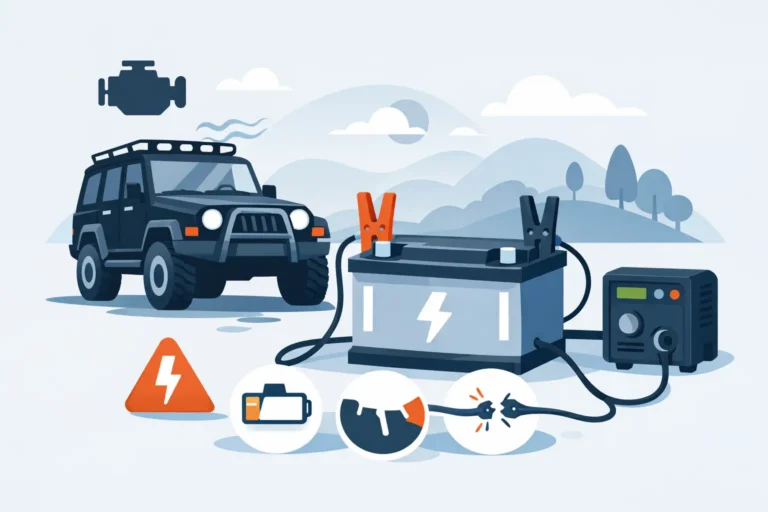
A flat starter battery at Double Island, a warm fridge halfway through a hinterland weekend, or lights dimming when the camp setup is running – this is usually when people start looking seriously at a 4wd dual battery Sunshine Coast setup. The right system gives you usable power without risking your ability to start the vehicle, but getting it right depends on how you actually travel, what you run, and how your 4WD is wired from the factory.
Why a dual battery setup matters
For most 4WD owners, the real benefit is simple. You want to run accessories like a fridge, camp lights, comms, chargers or an inverter from an auxiliary battery, while keeping the cranking battery reserved for starting the engine.
That separation matters more than many people realise. Modern vehicles are packed with electronics, smart alternators and battery monitoring systems. If the dual battery system is poorly matched to the vehicle, you can end up with unreliable charging, battery damage, warning lights, or a setup that looks good on paper but never fully charges in real use.
A decent system should suit the way the vehicle is used day to day, not just for one big trip a year. A touring wagon that spends days off-grid needs something different to a work ute that runs tools through the week and a fridge on weekends.
4WD dual battery Sunshine Coast owners often get wrong
A lot of problems start with buying parts before working out the load. People hear that lithium is better, or that a bigger battery is always the answer, and jump straight into hardware. Sometimes that works. Plenty of times it doesn’t.
The first issue is underestimating consumption. A fridge cycling through a hot coastal summer, extra lighting, charging camera gear, running a diesel heater and topping up phones and tablets can add up quickly. Then there’s recharge time. If you’re doing short drives between campsites, your charging system has to recover that overnight usage efficiently.
The second issue is assuming every vehicle charges the same way. Older 4WDs are generally more straightforward. Newer vehicles, especially with smart alternators, often need a DC-DC charger to get proper charging performance. Without it, the auxiliary battery may never get to full charge, which shortens battery life and leaves you with less usable power.
The third issue is poor installation quality. Cable size, fusing, ventilation, mounting position and integration with existing accessories all matter. Dual battery systems are not just about bolting in a second battery tray and hoping for the best.
Choosing the right battery chemistry
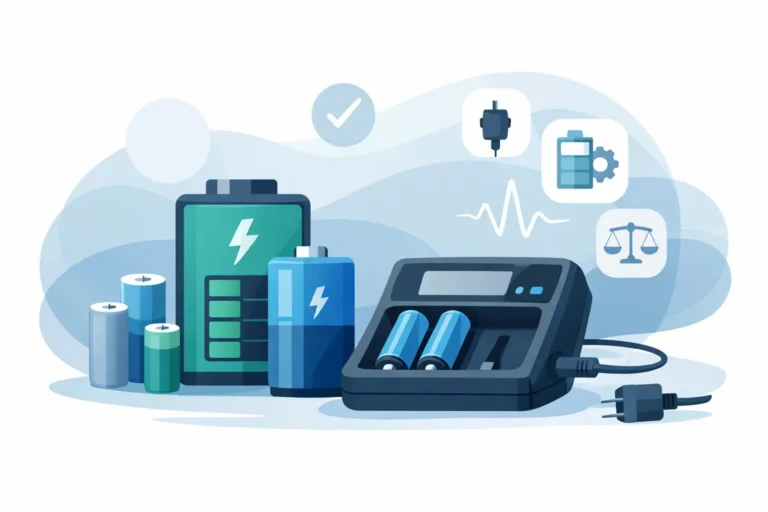
Battery choice should match budget, usage and available space. There’s no point paying for a premium setup if your needs are modest, but it also makes no sense fitting an entry-level battery to a vehicle that’s expected to support long remote trips.
AGM for simpler, lower-demand setups
AGM batteries still suit plenty of vehicles. They are a practical option for moderate accessory loads and can work well where the owner wants a straightforward, cost-conscious setup. If you mainly want to run a fridge for day trips, some lighting and occasional charging, AGM can still be a sensible choice.
The trade-off is weight, usable capacity and recharge speed. AGM batteries are heavier and generally less efficient than lithium, and repeatedly running them deep can shorten their life.
Lithium for serious touring and off-grid use
Lithium makes sense when power demand is higher, weight matters, or you want more usable capacity from a compact footprint. They recharge faster, hold voltage better under load and deliver more practical run time. That’s why they’re popular in touring builds, caravans, campervans and off-grid 12V systems.
That said, lithium needs to be integrated properly. The charger, battery management system, wiring and protection all need to be compatible. A quality lithium installation should feel like a well-thought-out power system, not a battery swap.
The charger matters as much as the battery
This is where many systems are won or lost. If your 4WD has a conventional alternator and your accessory demands are modest, a voltage sensitive relay setup may be enough. On many newer vehicles though, a DC-DC charger is the safer and more effective option.
A DC-DC charger manages the charging profile properly and can often be paired with solar input as well. That’s especially handy for people who camp in one spot for a few days and want solar to reduce generator use or unnecessary idling.
The right charger size also matters. Too small, and recovery times drag out. Too large, and you can create heat, space or wiring issues if the rest of the system hasn’t been planned properly.
Planning a setup around how you travel
The best dual battery systems are built around realistic usage. That usually starts with a few practical questions. Are you away for one night or a week? Are you driving daily, or parking up in one spot? Do you want to power only the basics, or are you expecting inverter use, coffee machines, laptops and camera charging as well?
A weekender heading to the beach may only need a compact auxiliary battery, quality charger and a couple of outlets in the rear. A long-distance tourer may need lithium, solar integration, a battery monitor, multiple fused circuits and a rear power panel. Someone towing a caravan might need the vehicle and van charging systems to work together cleanly rather than competing with each other.
That is why tailored advice matters. Good workshops don’t just ask what battery you want. They ask what you run, where you go, how long you stop, and what your vehicle can actually support.
Installation quality is what makes it reliable
A neat install is good. A reliable install is better.
Proper battery restraint, circuit protection, heavy enough cable, quality connectors and sensible routing all make a difference once the corrugations start or the under-bonnet temperatures climb. So does where the battery is mounted. Under-bonnet, in the tray, in the tub, behind a rear seat or in a canopy all come with their own heat, dust, access and ventilation considerations.
A quality install should also leave room for future upgrades. Plenty of owners start with a fridge and lights, then later add solar, an inverter, more outlets or a caravan charging feed. If the initial setup is planned well, those upgrades are far easier and more cost-effective.
This is where a service-led workshop approach helps. Clear fault finding, quality components and explaining the reasoning before repairs or installation saves money in the long run. Coastal Cool Air, for example, works with premium power system brands and custom battery solutions because reliability in the real world matters more than a cheap parts list.
When solar should be part of the conversation
Solar is not essential for every 4WD, but it becomes valuable once you stay parked for longer periods. If your travel style involves setting up camp and not moving for a day or two, solar can make a major difference to battery recovery and overall independence.
Portable solar suits flexible campsites where you want to park in the shade and place the panel in the sun. Fixed solar is tidier and more convenient, but roof area, shading and actual output need to be considered realistically. Not every panel setup delivers the figures printed on the box, especially in mixed weather or partial shade.
A good installer will look at solar as part of the whole charging system, not as a magic fix. If the loads are too high or the battery capacity is too low, adding a panel alone won’t solve the problem.
Signs your current setup needs attention
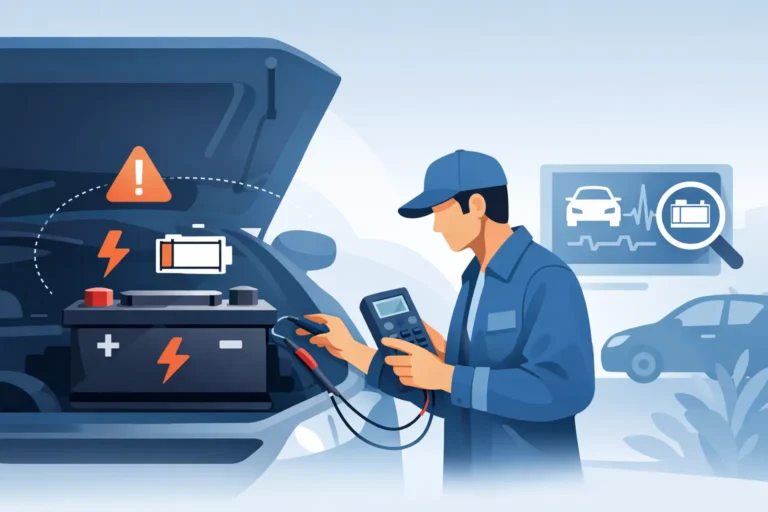
If the fridge cuts out earlier than expected, the auxiliary battery takes ages to recover, voltages seem inconsistent, or accessories behave strangely, the system may need testing rather than guesswork. The same applies if you’ve recently changed battery type, added more accessories or upgraded to a newer vehicle platform.
Electrical issues rarely improve by themselves. Catching a charging fault, poor earth, failing battery or undersized wiring early can prevent bigger trouble before a trip.
What to ask before booking a dual battery install
It helps to ask whether the system is being designed for your vehicle model, your accessory load and your intended travel style. Ask what charging method suits your alternator, whether future solar or inverter upgrades have been allowed for, and what protection is included in the install.
You should also expect clear advice on battery type, expected run time and realistic recharge performance. Honest answers are usually more useful than optimistic ones.
A good 4WD dual battery setup should make life easier, not give you one more thing to worry about before heading away. If the system is planned properly, fitted neatly and explained clearly, you’ll know what it can do, what its limits are, and how to get the best from it when the trip starts.