Starter Motor Symptoms to Watch For
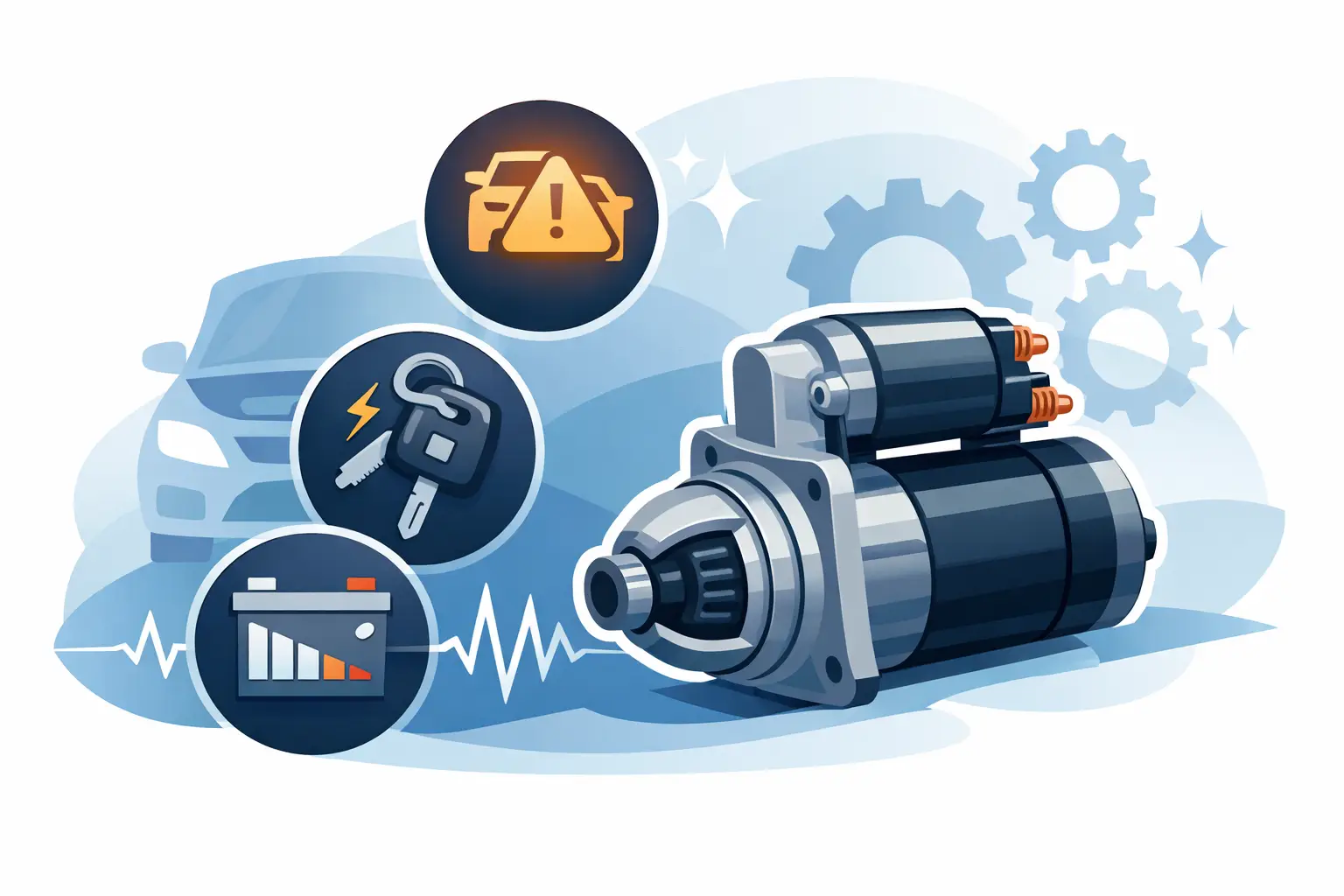
You turn the key or press the start button, and instead of the engine firing up properly, you get a click, a sluggish crank, or nothing much at all. Starter motor symptoms often show up this way – small warnings at first, then one day the vehicle simply won’t start when you need it most.
That matters whether you’re doing the school run, heading to work, or loading up the 4WD for a weekend away. Starting faults are easy to blame on the battery, and sometimes that’s exactly the problem. But not always. The starter motor, battery, cabling, ignition circuit and earth connections all work together, so getting the diagnosis right matters before any parts are replaced.
Common starter motor symptoms
A failing starter motor does not always quit in one hit. Quite often it deteriorates over time, and the symptoms can be inconsistent. That inconsistency is what catches people out.
One of the most common signs is slow cranking. The engine still turns over, but it sounds laboured, like it’s struggling to build speed. If the battery is known to be healthy and properly charged, a worn starter motor can be a likely cause. Internal wear, heat soak, or resistance in the motor can all make it work harder than it should.
Another classic symptom is a single click when you try to start the vehicle. That click can mean the starter solenoid is trying to engage, but the motor itself is not spinning properly. In some cases, repeated rapid clicking points more towards low battery voltage, but a single solid click with no crank can still involve the starter motor or its control circuit.
You might also notice intermittent starting. One moment it starts normally, the next it refuses, then later it comes good again. That kind of fault often points to worn internal contacts, a sticking solenoid, or a poor electrical connection somewhere in the starting system. Intermittent faults are frustrating because the vehicle can behave perfectly once it reaches the workshop.
Grinding or harsh mechanical noise is another warning sign that should not be ignored. If the starter gear is not engaging the flywheel correctly, or if there is wear in the drive mechanism, the sound can be rough and obvious. Leave that too long and you can turn a starter issue into damage on the ring gear as well.
Then there’s the starter that stays engaged too long or sounds wrong after the engine fires. That is less common, but it can point to a sticking solenoid or mechanical fault. It needs attention quickly because the starter motor is only designed to work briefly during start-up.
What causes these symptoms?
Starter motors live a hard life. They draw high current, work in a hot engine bay, and deal with vibration, dust and age. Over time, brushes wear down, solenoids develop poor contact, bearings get tired, and internal resistance increases.
That said, not every no-start fault is a failed starter motor. Low battery voltage is still one of the biggest causes of starting trouble. So are corroded battery terminals, weak earth straps, damaged cables and poor connections. In modern vehicles, faults in the ignition switch, start relay, immobiliser system or clutch and park safety switches can also stop the starter from operating as it should.
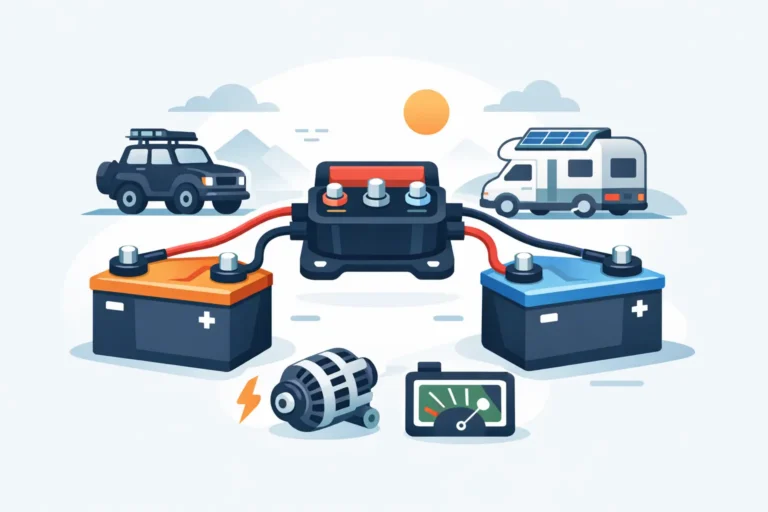
For touring vehicles, caravans and 4WDs with accessory-heavy electrical setups, there is another layer to consider. Added batteries, isolators, inverters, chargers and custom 12V systems can affect how power is supplied and managed. A poor installation is not the norm, but when starting issues appear in modified vehicles, the entire electrical layout needs to be looked at properly rather than assuming the starter motor is at fault.
Starter motor symptoms vs battery problems
This is where a lot of people get stuck. The symptoms can overlap.
If the battery is flat or weak, the engine may crank slowly or not crank at all. Lights on the dash may dim heavily when you try to start it. You may hear rapid clicking from the starter relay or solenoid. Charge the battery or test it properly, and sometimes the problem disappears.
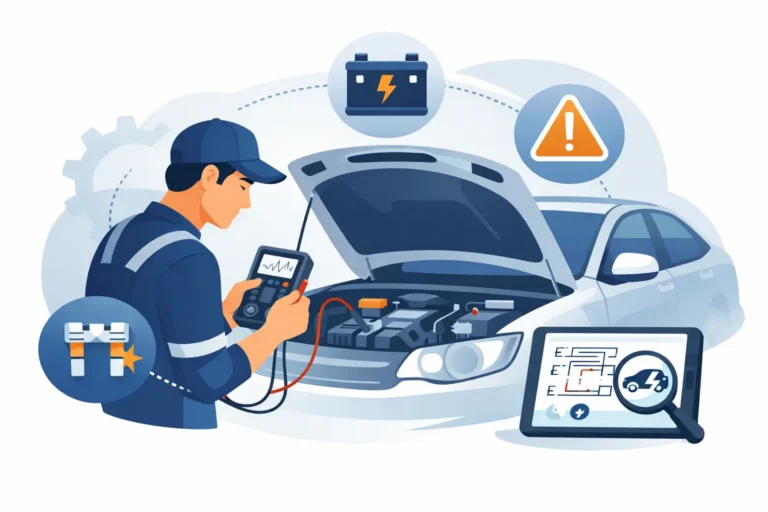
If the battery tests well but the vehicle still struggles to crank, the starter motor becomes more suspect. A high-current draw test can reveal whether the starter is working harder than it should. Voltage drop testing can also show whether the issue is in the cables and connections rather than the motor itself.
That’s why replacing parts on a guess can get expensive. Batteries get replaced when the starter is the problem, and starter motors get replaced when the real issue is voltage loss through a bad earth or corroded terminal. Good diagnostics save time and money.
When the problem is heat-related
Some starter faults only show up when the engine is hot. You stop for fuel or pull up at the servo after a long drive, then suddenly it cranks slowly or won’t restart. Once it cools down, it behaves again.
Heat soak can affect the starter motor itself, especially in tightly packed engine bays. Internal resistance rises, worn components become more noticeable, and marginal electrical faults show themselves when temperatures are up. This kind of issue is common enough that it should always be considered when a customer says, “It only plays up after a run.”
Can you keep driving with starter motor symptoms?
Sometimes yes, for a while. But it’s a gamble.
A vehicle with mild starter motor symptoms may keep starting for days, weeks or even months. The trouble is there’s rarely a convenient time for it to fail completely. If the fault is intermittent, that usually means it’s heading in the wrong direction, not fixing itself.
For anyone who relies on their vehicle for work, school runs or travel, waiting it out is risky. It’s even less ideal if you’re preparing for a trip, towing a caravan or heading away from good mobile coverage. Starting reliability is one of those things you appreciate properly when it’s gone.
What should be checked first?
Start with the basics. Battery condition and charge level should be tested, not guessed. Battery terminals need to be clean and tight. Main positive and earth cables should be checked for corrosion, damage and voltage drop under load.
After that, the starter control side needs attention. That can include the solenoid trigger wire, relays, ignition switch inputs and safety switch operation. If the starter is receiving the correct signal and proper voltage but still underperforming, then the motor itself becomes the likely culprit.
In some cases, bench testing the removed starter motor helps confirm the fault. In others, in-vehicle testing tells the story more clearly because the problem only appears under actual load or at operating temperature. It depends on the symptom pattern.
Why proper diagnosis matters on modern vehicles
Older vehicles can be fairly straightforward, but many newer vehicles are less forgiving. Smart charging systems, stop-start functions, immobilisers and integrated electrical control units can all influence how the starting system behaves.
For 4WDs, campervans and vehicles with dual battery systems, diagnosis needs to account for both factory wiring and any aftermarket additions. A quality accessory setup should support reliability, not compromise it, but faults in one part of the system can create confusing symptoms somewhere else.
This is where an automotive electrical specialist earns their keep. The job is not just fitting a new part. It’s confirming the fault, checking the surrounding system, and making sure the repair actually solves the issue.
When to book it in
If your vehicle has repeated slow cranking, random no-starts, clicking without cranking, or harsh starter noise, it is worth having it checked before it strands you. The same applies if the battery has already been tested or replaced and the fault keeps coming back.
A proper inspection can tell you whether the problem is the starter motor, battery, cabling or control circuit. It can also uncover related issues before they turn into bigger repair bills. For drivers around the Sunshine Coast and hinterland, that is especially useful if the vehicle pulls double duty as both daily transport and weekend escape machine.
Coastal Cool Air sees plenty of faults where the first symptom sounds simple, but the real cause takes proper testing to pin down. That’s normal with electrical problems. The key is clear advice, solid diagnostics and repairs that suit how the vehicle is actually used.
If your car, ute, 4WD or camper has started hesitating on start-up, don’t wait for the day it gives you nothing but a click in the driveway or at the boat ramp. A starting issue caught early is usually far easier to deal with than one that leaves you stuck.